
 admin
Rotary splines are essential components in modern engineering, playing a critical role in power transmission and mechanical stability. These precision-engineered elements are widely used in various industries, from automotive to aerospace, ensuring efficient torque transfer and alignment. In this article, we explore the functionality, applications, and significance of rotary splines, with insights into how Yijiaang, a leader in transmission component development, is advancing this technology.
Understanding Rotary Splines
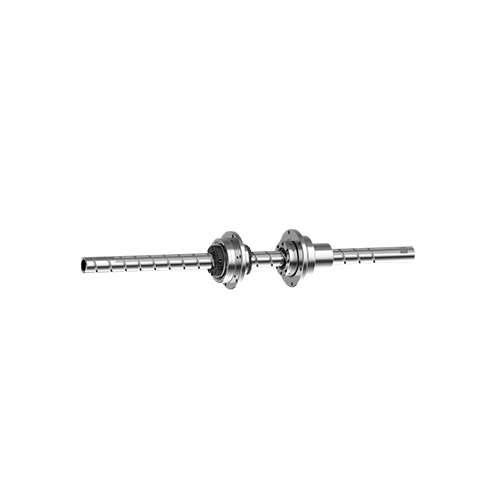
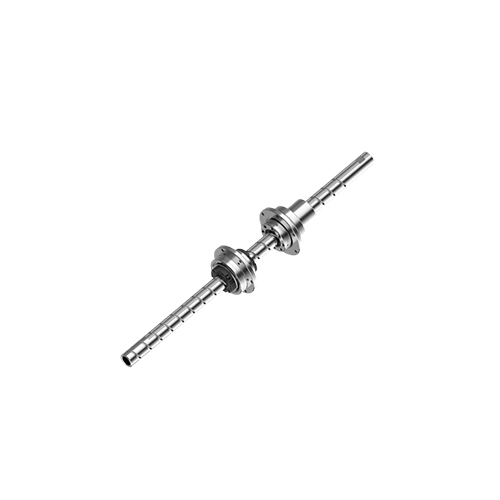
Rotary splines are mechanical structures designed to transmit rotational motion and torque between two connected components. They consist of interlocking ridges or teeth, allowing a precise and reliable connection while accommodating slight misalignments or axial movement. The most common types of rotary splines include:
Involute Splines – Used for smooth and uniform torque transmission, often found in gear assemblies.
Parallel Key Splines – Provide simple yet effective power transfer, frequently used in shaft coupling.
Helical Splines – Offer improved load distribution and reduced stress concentration.
Crowned Splines – Designed to accommodate minor misalignments while maintaining effective torque transmission.
Key Functions of Rotary Splines
Rotary splines serve several crucial functions in mechanical systems, including:
Efficient Torque Transmission: Ensuring smooth and reliable power transfer between rotating components.
Alignment and Positioning: Helping maintain accurate positioning of machine parts during operation.
Load Distribution: Minimizing wear and tear by evenly distributing forces across multiple contact points.
Flexibility in Design: Allowing for axial movement in specific applications, reducing mechanical stress.
Importance in Engineering and Industry Applications
Rotary splines are indispensable in industries requiring precision and durability. Some common applications include:
Automotive Industry: Used in transmission shafts, drive systems, and steering mechanisms.
Aerospace Sector: Essential in aircraft control systems, landing gear mechanisms, and propulsion units.
Industrial Machinery: Found in CNC machines, robotics, and heavy-duty manufacturing equipment.
Energy Sector: Used in turbines and generators to ensure efficient power generation.
Yijiaang’s Expertise in Transmission Components
As a company dedicated to the development, sales, and technical services of transmission components, Yijiaang continues to push the boundaries of rotary spline technology. With a focus on precision engineering and innovative solutions, Yijiaang provides high-quality components that enhance performance, efficiency, and reliability in various industrial applications. Their expertise ensures that businesses receive durable and optimized transmission solutions tailored to their needs.
Conclusion
Rotary splines are fundamental to modern engineering, offering efficient torque transmission and mechanical reliability across multiple industries. With advancements in spline technology led by companies like Yijiaang, these components continue to evolve, driving innovation in power transmission and mechanical design. Whether in automotive, aerospace, or industrial applications, understanding the role of rotary splines is essential for achieving precision, efficiency, and longevity in mechanical systems.
Exploring the Advantages of Rotary Splines in Mechanical Design and Manufacturing
www.yijiaangreducers.com
Suzhou Yijiaang Automation Technology Co., Ltd.