
 admin
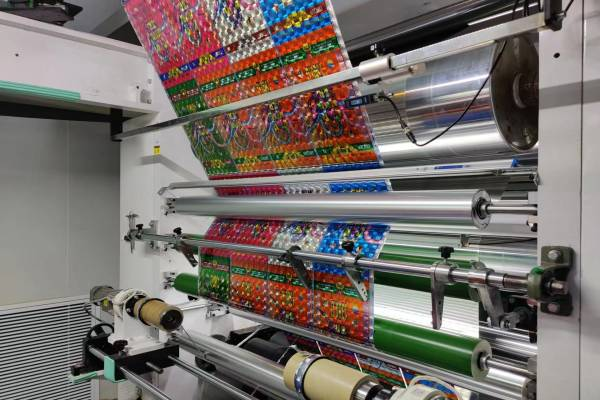
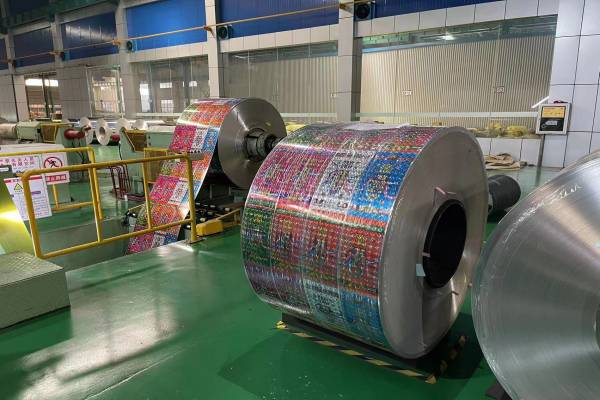
The printing process of using hard materials such as metal plates and metal foils as substrates is called metal printing. Since the substrate for metal printing in the past was mainly tinplate, it was also called tinplate printing. Although there are many kinds of substrates used now, such as tinplate (tin-plated sheet), chrome-plated sheet, galvanized sheet, aluminum plate, aluminum foil, Aluminum stamping containers, etc., but still use the title of tinplate printing. The printed metal plates and metal foils can be made into barrels, cans and other containers of different specifications, which are widely used in food, beverage, chemical, pharmaceutical, building materials, home appliances and other industries. Tinplate printing is mostly based on Offset printing lamination. The so-called Offset printing lamination refers to the indirect printing method in which the graphics and text on the printing plate are first printed on the intermediate carrier (blanket cylinder) and then transferred to the substrate. At present, in tinplate Offset printing lamination, In addition to gravure Offset printing lamination for building materials and decorative boards, lithographic Offset printing lamination and letterpress Offset printing lamination (also known as dry Offset printing lamination) are mainly used.
1.Characteristics of tinplate Offset printing lamination
◆The substrates for tinplate printing are various metal sheets. At present, the substrates used in tinplate printing are commonly used tin-plated sheet steel (also known as tinplate), chrome-plated sheet, ordinary sheet, aluminum alloy sheet, etc. According to their different hardness, these metal sheets can be divided into three types: hard iron, neutral iron and soft iron. Aluminum alloy sheet is soft, ordinary sheet steel is neutral, and chrome-plated sheet is hard. In the printing process, depending on the hardness of the substrate, adjust the roller pressure and select the appropriate lining material.
◆Coating plays an important role in the quality of iron sheet printing. The coating can increase the adhesion between the iron sheet and the ink layer, and protect the ink film layer.
◆Use special printing ink. Since the surface of the substrate printed by tinplate is smooth and has no absorption capacity, the tinplate printing ink is dried by oxidation conjunctiva and volatilization. At the same time, tinplate prints are generally used in cans after printing, and the printing inks are required to be resistant to high temperature, retort, and non-toxic and harmless.
◆The printing operation is different from general Offset printing lamination. When the printing press is manufactured, the blowing force of the blowing nozzle and the suction force of the suction nozzle should be considered, and a horseshoe-shaped magnet should be added at the feeding place to overcome the adsorption force between the iron sheets. During the operation, the air volume of the blowing nozzle and the suction nozzle should be adjusted according to the substrates of different weights. The adjustment of the drum pressure is the key to the operation. In addition to adjusting according to the thickness of the substrate, the transfer status of the dots should also be considered.
2. Tinplate Offset printing lamination process
The process flow of tinplate Offset printing lamination is: plate making – pre-press primer treatment – printing – glazing.
www.jiangyinforward.com
3-Piece Cans: A Durable, Versatile, and Sustainable Packaging Solution