The worldwide electronics sector relies on highly precise components that are rarely visible to end users, yet they are fundamental to device stability and performance. Among these essential parts, quartz crystals serve as a core element for maintaining accurate timing across today’s digital systems. As technology advances toward 5G communications, autonomous driving, artificial intelligence, and large-scale cloud computing, the quartz crystal supply chain has increasingly become a strategic priority for manufacturers, distributors, and system integrators.
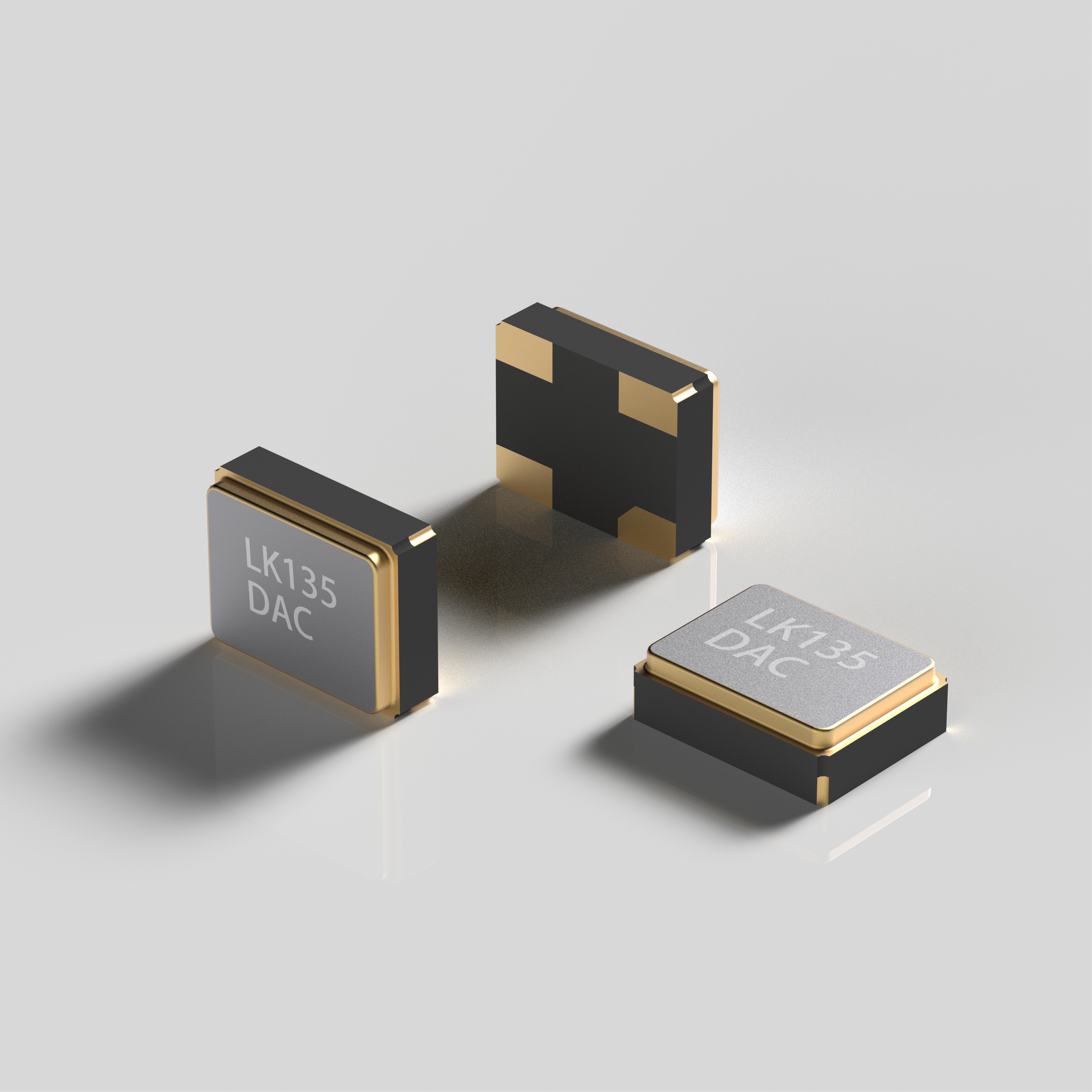
Quartz Crystal in Modern Electronics
A major reason behind the sustained global demand for quartz crystals is the rapid expansion of intelligent and connected infrastructure. Whether in satellite positioning systems or hyperscale data centers, precise timing directly impacts synchronization accuracy and overall system reliability.
Companies specializing in frequency control solutions play a vital role in this ecosystem. For instance, LUCKI ELECTRONIC (LUCKI®) offers a broad range of crystal oscillators, including SMD and through-hole types such as VCXO, TCXO, and OCXO products. These components are widely applied in areas like satellite navigation, telecom base stations, cloud computing platforms, artificial intelligence systems, autonomous vehicles, smart home devices, medical electronics, and industrial automation.
Their product solutions can be explored here: Quartz Crystal.
Global Market Trends for Quartz Timing Devices
Over recent years, the application focus of quartz timing components has shifted significantly from conventional consumer electronics toward advanced computing and communication systems. The rollout of 5G networks has been a key driver of this change. Compared to previous wireless standards, 5G requires much tighter synchronization, higher bandwidth handling, and ultra-low latency performance—making stable frequency sources indispensable.
At the same time, cloud computing has intensified demand for high-precision timing. Large-scale data centers depend on synchronized operations across thousands of distributed servers. Even minor timing deviations can lead to data inconsistencies, packet loss, or reduced security performance. As a result, system designers increasingly prefer oscillators with superior stability and extremely low phase noise characteristics.
To meet these requirements, manufacturers have developed advanced solutions such as temperature-compensated oscillators (TCXO) and oven-controlled oscillators (OCXO), which ensure reliable performance even in harsh or variable environments like aerospace, defense systems, and industrial automation.
Global Supply Chain Distribution
The quartz crystal supply chain operates on a highly international structure. Natural quartz resources are extracted from select geological regions and then processed into wafers, resonators, and finished timing components.
The Asia-Pacific region dominates global production capacity due to its mature electronics manufacturing ecosystem. Countries such as China, Japan, and South Korea serve as major hubs for frequency control component manufacturing, benefiting from well-developed semiconductor infrastructure and integrated supply networks.
Meanwhile, North America and Europe tend to concentrate on high-end design innovation, intellectual property development, and system-level integration for specialized applications.
LUCKI ELECTRONIC has expanded its global footprint significantly, delivering more than 10 billion timing and magnetic products across over 50 countries and regions. This reflects the broader industry shift where leading manufacturers operate as global technology partners rather than localized suppliers.
Technological Progress in Quartz Components
Miniaturization continues to be a dominant trend in electronic component development. As devices become smaller and more powerful, surface-mount device (SMD) packaging has become the industry standard due to its space efficiency and improved electrical performance. SMD quartz crystals are now widely used in smartphones, wearable devices, IoT modules, and compact consumer electronics.
Energy efficiency is another key development direction. With the expansion of battery-powered and remote IoT systems, there is increasing demand for ultra-low power oscillators that maintain high stability while minimizing energy consumption.
In addition, precision manufacturing techniques such as advanced cutting, polishing, and contamination control are essential to achieving high-frequency accuracy. Semiconductor-grade production environments ensure compliance with strict performance and reliability standards required by modern applications.
Influence of 5G, AI, and Autonomous Technologies
The rise of artificial intelligence and autonomous systems has introduced more stringent requirements for timing precision. AI processors rely on synchronized computing processes, while autonomous vehicles depend on coordinated timing between sensors, control systems, and navigation modules.
In smart city environments, timing components are embedded in traffic control systems, surveillance infrastructure, and environmental monitoring networks. Accurate synchronization enhances communication efficiency and reduces system latency.
As digital transformation accelerates globally, frequency control technology will continue to play a foundational role in enabling distributed computing and edge-based network architectures.
Challenges in the Industry Supply Chain
Despite strong growth momentum, the quartz crystal industry faces several structural challenges. One major issue is the uneven distribution of natural quartz resources, which can create supply constraints during periods of high demand.
Geopolitical uncertainty also adds complexity. Trade regulations, logistics disruptions, and regional policy differences may affect the stability of global supply flows. To reduce risk, manufacturers often diversify sourcing strategies and maintain strategic inventory buffers.
In addition, the production of high-frequency oscillators requires extremely tight tolerances. Even microscopic imperfections can significantly affect performance, leading to higher production costs and more demanding quality control processes.
Sustainability and Future Manufacturing Direction
Environmental sustainability is becoming increasingly important in the electronics manufacturing sector. Companies are adopting energy-efficient production techniques and exploring recyclable packaging solutions. Responsible raw material sourcing is also gaining attention across global supply chains.
Future production models are expected to integrate greater levels of automation and smart manufacturing technologies. Artificial intelligence-driven inspection systems can detect defects earlier in the production process, improving yield rates and reducing material waste.
Looking ahead, emerging technologies such as 6G communication systems are expected to further drive innovation in timing accuracy, signal stability, and frequency control design. Researchers are already exploring new resonant materials and hybrid synchronization architectures.
Strategic Role in the Technology Ecosystem
For modern technology companies, secure access to high-quality quartz timing components represents a significant competitive advantage. Stable supply ensures product reliability and reduces manufacturing risks.
Organizations that build long-term partnerships or adopt vertically integrated supply strategies are generally better positioned in volatile global markets. Collaboration between component manufacturers and system developers will continue to shape the evolution of the electronics industry.
The growth of companies like LUCKI ELECTRONIC demonstrates how specialized component manufacturers can evolve into global solution providers, supporting a wide range of advanced technology applications through comprehensive frequency control solutions.
Conclusion
The quartz crystal supply chain is evolving in parallel with global technological innovation. From 5G networks and artificial intelligence to autonomous systems and cloud computing, precise timing remains a critical foundation of modern digital infrastructure.
Future industry success will depend on supply chain resilience, continuous technological advancement, and strong international collaboration. As demand continues to grow, companies that prioritize quality, sustainability, and global integration will maintain a stronger competitive position.
Quartz crystal technology will remain a fundamental pillar supporting the future development of global electronics and digital systems.
www.cnlucki.com
LUCKI ELECTRONIC(LUCKI®)

 0
0
 0
0 


