
 admin
As the world moves toward cleaner and more sustainable energy solutions, solar power stands out as one of the most efficient and eco-friendly alternatives to fossil fuels. At the heart of solar energy systems are photovoltaic (PV) modules, commonly known as solar panels, which play a crucial role in converting sunlight into usable electricity.
But how exactly does this conversion process work? And what makes a high-quality photovoltaic module so important?
In this article, we’ll take a closer look at how photovoltaic modules function, explore the science behind their operation, and highlight the expertise of PRBS, a trusted manufacturer committed to delivering high-performance solar panels to global markets.
What Is a Photovoltaic Module?
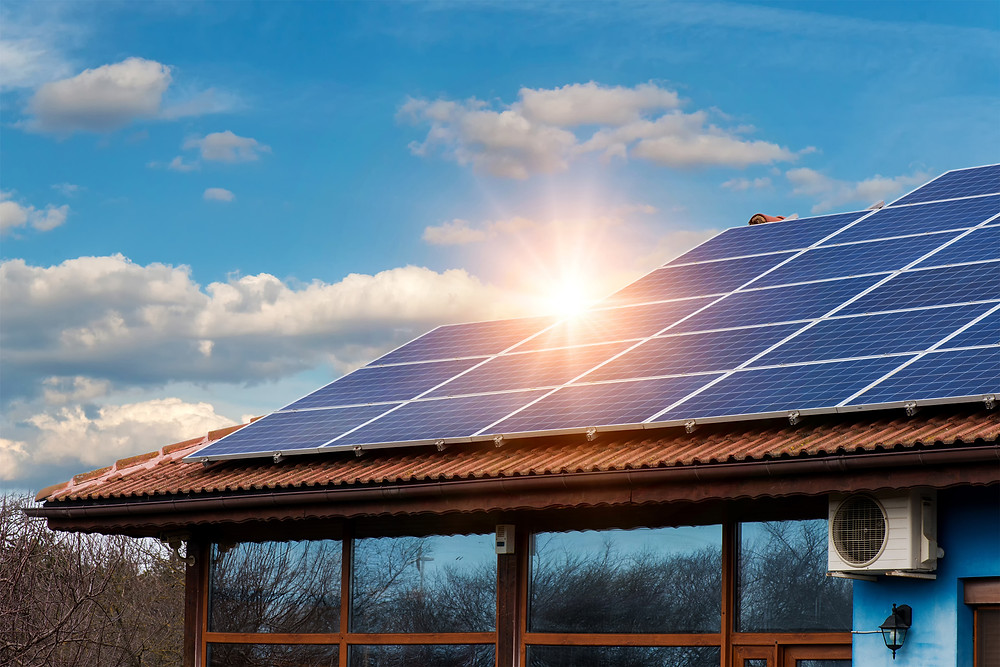
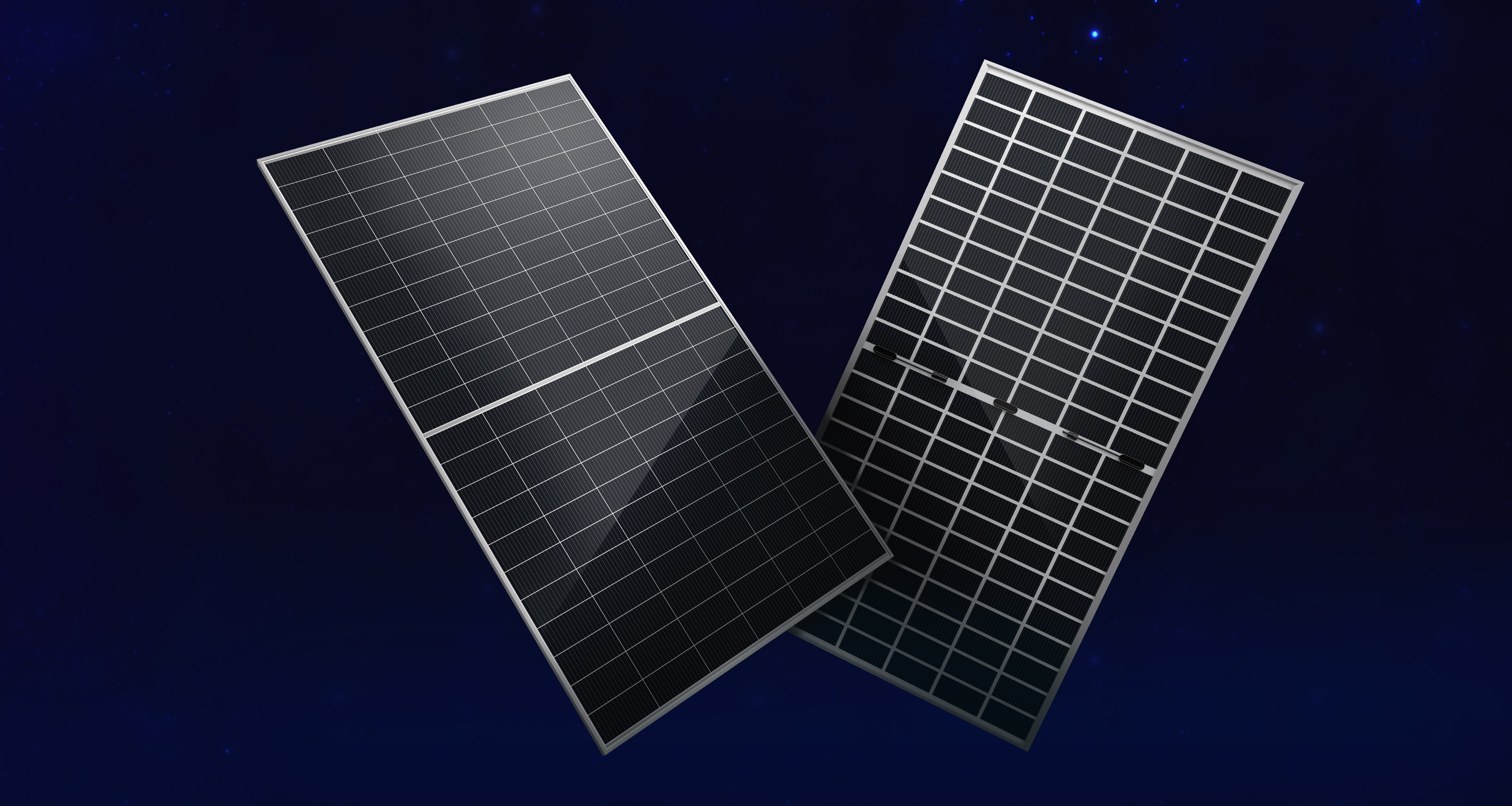
A photovoltaic module is a panel composed of multiple solar cells connected together to capture sunlight and convert it into direct current (DC) electricity. These modules are typically installed on rooftops, solar farms, or integrated into building materials to generate power for residential, commercial, and industrial use.
Key Components:
Solar cells (usually made of silicon)
Glass cover for protection
Encapsulant layers to seal and protect cells
Backsheet for insulation and durability
Aluminum frame for structural support
Junction box for electrical output connections
The Science: How Sunlight Becomes Electricity
The core technology behind a PV module is the photovoltaic effect—a phenomenon discovered in the 19th century and refined over decades of innovation.
Step-by-Step Breakdown:
Sunlight Hits the Solar Cells
Sunlight contains photons—particles of solar energy. When these photons strike the surface of a solar cell, they are absorbed by the semiconductor material (usually crystalline silicon).
Generation of Electron-Hole Pairs
The absorbed energy excites electrons, knocking them loose from their atoms and creating “holes” (positive charges) in their place.
Electric Field Drives the Flow
The internal electric field of the solar cell forces these free electrons to move in a specific direction, creating a flow of electric current.
Current Is Collected and Directed
Metal contacts on the top and bottom of the solar cell collect the electrons, allowing them to flow through an external circuit—powering electrical devices or charging batteries.
Direct Current to Alternating Current
In most solar power systems, an inverter converts the DC electricity generated by the solar panels into alternating current (AC) used by homes and businesses.
Why Panel Quality Matters: Spotlight on PRBS
Choosing a high-quality photovoltaic module is essential for achieving optimal energy output, long-term durability, and overall system efficiency. This is where PRBS excels.
About PRBS:
PRBS is a professional manufacturer of high-quality solar panels, with a strong focus on innovation, material integrity, and performance consistency. The company has built a solid reputation in the global market by delivering reliable photovoltaic solutions for residential, commercial, and industrial applications.
What Sets PRBS Apart:
Advanced Cell Technology: PRBS uses high-efficiency monocrystalline and polycrystalline cells that deliver superior energy conversion rates.
Strict Quality Control: Every module undergoes rigorous testing for thermal cycling, humidity, UV exposure, and mechanical stress.
Long-Term Reliability: PRBS panels are engineered to perform consistently for 25+ years under diverse environmental conditions.
Sustainability Focus: PRBS is committed to green manufacturing practices and supports global renewable energy goals.
Whether you're installing a rooftop system for your home or powering a large-scale solar project, PRBS panels offer the performance and peace of mind that today’s energy users demand.
Real-World Applications of PV Modules
Photovoltaic modules are used in a wide variety of settings:
Residential Rooftop Systems: Reducing energy bills and increasing energy independence
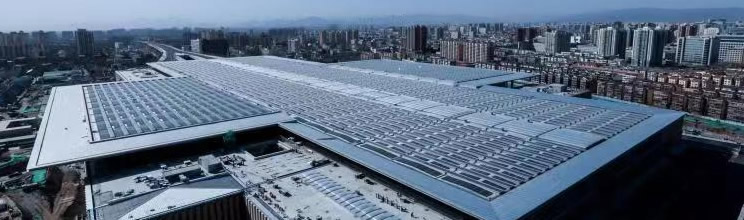
Commercial Installations: Powering factories, warehouses, and office buildings
Utility-Scale Solar Farms: Generating electricity for the grid
Off-Grid Applications: Providing power in remote or disaster-affected areas
Agrivoltaics: Dual-use solar systems that combine agriculture and solar generation
As panel technology continues to improve, applications are expanding into building-integrated photovoltaics (BIPV) and floating solar systems, enhancing versatility and land-use efficiency.

Conclusion
From capturing sunlight to powering homes and industries, photovoltaic modules are a cornerstone of the renewable energy revolution. Understanding how they work highlights the importance of selecting high-quality solar panels—both for optimal performance and long-term savings.
PRBS, with its deep expertise and unwavering commitment to quality, continues to be a trusted partner for customers seeking reliable and efficient solar solutions. Whether you're taking your first step into solar or scaling up a major project, PRBS delivers the technology and support you need to succeed in the clean energy era.
Guidelines for Choosing and Using Photovoltaic Modules
www.prbsenergy.com
PRBS