
 admin
Indoor air quality is no longer just a concern for hospitals and laboratories—it has become a top priority for homeowners and businesses alike. With increasing awareness about airborne pollutants, allergens, and harmful microorganisms, HEPA (High-Efficiency Particulate Air) filtration systems have become a trusted solution for creating clean and healthy environments.
Choosing the right HEPA air filter housing is critical to ensuring filtration efficiency, system longevity, and overall performance.In this guide, we’ll explore what a HEPA air filter housing is and how to choose the right HEPA air filter housing.
What Is HEPA Air Filter Housing?
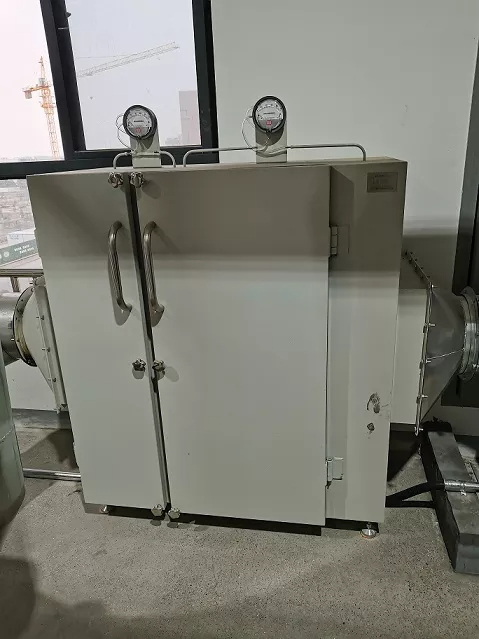
HEPA air filter housing is the enclosure or frame that supports and secures the HEPA filter within a ventilation or air purification system. It ensures that air flows only through the filter, preventing leaks or bypasses that would allow unfiltered air into the environment. Typically made from galvanized steel, stainless steel, or durable plastic composites, these housings are designed to withstand environmental stress, pressure differentials, and corrosive conditions.
A properly designed housing plays a key role in maintaining system integrity, protecting the filter media from damage, and ensuring compliance with regulatory standards (like ISO, FDA, or GMP for industrial and medical facilities).
Why HEPA Filter Housing Matters More Than You Think
The effectiveness of a HEPA filter depends not just on the filter material, but on how well it is sealed and installed within the system. Poorly designed or incorrectly sized housings can lead to air leakage, reduced filtration efficiency, and even health risks in critical environments. Here's why the housing is just as important as the filter itself:
-
Prevents Air Bypass: If air can go around the filter instead of through it, contaminants can freely enter the space.
-
Supports Airtight Seals: HEPA filters need to be sealed with gaskets or gel tracks to ensure performance; housings facilitate this.
-
Withstands Pressure: Industrial systems often have high airflow rates, and the housing must withstand this without deforming or leaking.
-
Allows Easy Maintenance: Well-designed housings enable safe and efficient filter replacement without releasing particles into the environment.
Types of HEPA Filter Housing
Before choosing a filter housing, it's essential to understand the different types available and their applications:
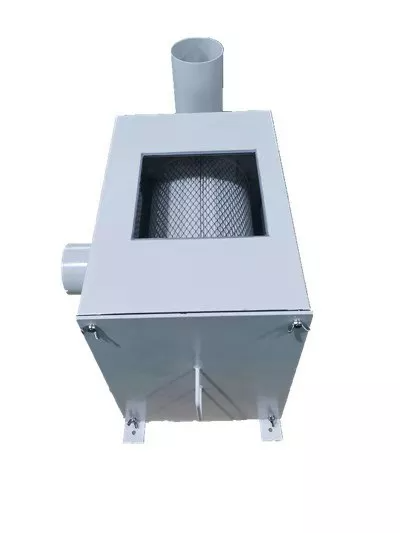
1. Ducted HEPA Filter Housings
These are designed to be installed directly into HVAC ducts. They are ideal for residential or commercial HVAC systems where air needs to be filtered before reaching occupied spaces.
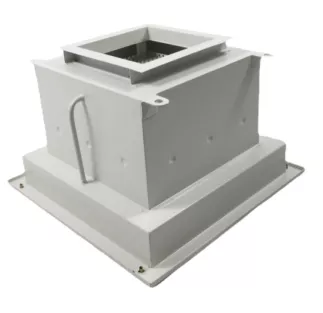
2. Terminal HEPA Housings (Ceiling Modules)
Often used in cleanrooms or operating rooms, these housings are mounted in the ceiling to deliver ultra-clean air directly into a critical area. They support both gel seal and gasket seal filters.
3. Side Access Filter Housings
These allow filters to be replaced from the side of the unit, which is useful for mechanical rooms or tight spaces. They often house prefilters and final filters in one unit.
4. Fan Filter Units (FFUs)
These are integrated systems that combine a housing, HEPA filter, and fan motor. FFUs are self-contained and used in modular cleanrooms or mobile purification systems.
Key Considerations When Choosing HEPA Filter Housing
1. Application Environment
The most important factor is where the housing will be used. A home air purifier requires a different housing design than a pharmaceutical cleanroom or food processing facility.
-
Residential Use: Look for compact, corrosion-resistant units that support high-efficiency particulate control without being bulky or noisy.
-
Commercial or Industrial Use: Choose heavy-duty housings that meet airflow, pressure, and sterility requirements of the environment.
-
Medical & Laboratory Use: Ensure compliance with ISO cleanroom standards and compatibility with gel-seal HEPA filters.
2. Material and Build Quality
The housing must be made of materials that can withstand environmental factors such as humidity, temperature changes, chemical exposure, and vibration.
-
Galvanized Steel: Suitable for general-purpose applications.
-
Stainless Steel: Preferred for high-humidity, sterile, or corrosive environments.
-
Powder-Coated Steel or Aluminum: Often used in residential or commercial applications for cost-efficiency and aesthetics.
3. Filter Access and Replacement
Ease of maintenance is crucial, especially in commercial settings where filters need to be changed frequently. Look for:
-
Access Doors or Panels
-
Tool-Free Latches
-
Built-In Safety Mechanisms
-
Service Indicators or Pressure Gauges
4. Seal Type
Sealing is where many systems fail. Choose a housing with the appropriate sealing system:
-
Gasket Seal: Common in HVAC applications; less expensive but prone to slight leakage if not installed correctly.
-
Gel Seal: Offers superior airtight performance; used in cleanrooms and hospitals.
-
Clamping Mechanisms: Ensure consistent pressure across the seal.
5. Customizability and Modularity
Some housing manufacturers offer customizable options, such as:
-
Multiple filter stages (pre-filter + HEPA + carbon)
-
Custom inlet/outlet orientations
-
Integration with pressure monitoring devices
-
Modular units that can be expanded as needs grow
Conclusion
Whether you’re improving air quality in your home or ensuring sterile conditions in a critical facility, selecting the right HEPA air filter housing is just as important as choosing the filter itself. It’s a decision that impacts not only air purity but also energy efficiency, operational safety, and long-term costs.
Take the time to assess your specific needs, environment, and regulatory requirements—and don’t hesitate to consult professionals or suppliers who specialize in air filtration systems. The right HEPA housing will ensure that your investment in clean air truly pays off.
Understanding HEPA Air Filter Housing: Design, Function, and Industry Applications
www.ast-filter.com
苏州艾斯特环境科技有限公司