
 admin
In a world increasingly driven by sustainable values and eco-conscious innovation, bamboo fiber has emerged as one of the most compelling alternatives to traditional synthetic fibers. As industries across the globe shift away from petrochemical-based materials, manufacturers are looking for durable, biodegradable, and renewable options—and bamboo fiber fits the criteria perfectly.
SuZhou Makeit Technology Co., Ltd., a leading manufacturer in the fiber industry, recognizes this shift and is actively expanding its offerings beyond polyester and viscose to include advanced eco-friendly materials such as bamboo fiber. Let’s explore why bamboo fiber is the smart choice for green manufacturing today and in the future.
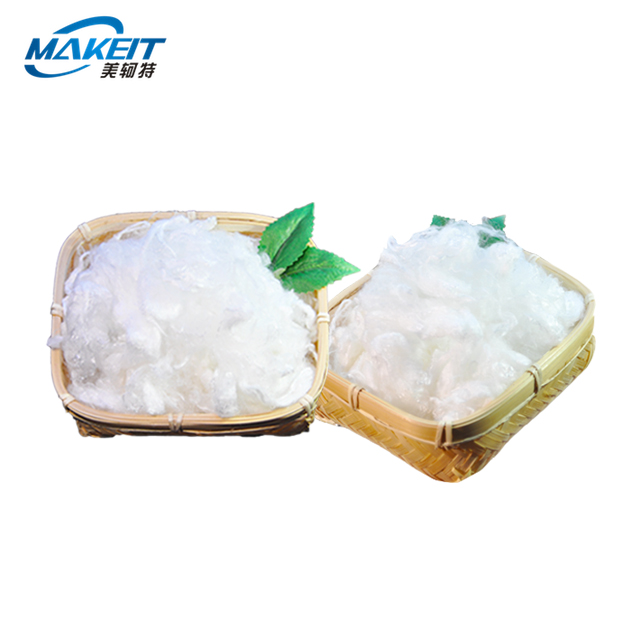
1. What Makes Bamboo Fiber Sustainable
Bamboo fiber is derived from the cellulose of natural bamboo, a fast-growing and renewable plant that requires no fertilizer or pesticides to thrive. Unlike synthetic fibers, bamboo fiber is biodegradable and returns to the earth without harming the environment.
Moreover, the processing of bamboo fiber uses less water and energy compared to conventional textile materials. This results in lower carbon emissions and minimal ecological impact—making it a prime material for brands and manufacturers looking to reduce their environmental footprint.
2. Outstanding Functional Properties for Industry Use
Bamboo fiber isn’t just green—it’s technically advanced. It offers an impressive range of properties that make it suitable for spinning, nonwoven fabric production, and even specialized applications like flame-retardant filling.
Some of bamboo fiber’s natural qualities include:
-
High breathability
-
Excellent water absorption
-
Natural antibacterial and anti-microbial properties
-
UV resistance
-
Odor control and mite resistance
These features make bamboo fiber ideal for use in clothing, bedding, baby products, personal hygiene items, and medical textiles.
Makeit’s bamboo fiber is available in several grades and specifications—including 1.5D/3D/5D fineness and cut lengths ranging from 38mm to 88mm—making it a versatile choice for different spinning needs.
3. High-Quality Manufacturing Capabilities at Makeit
With a 20,000 square meter factory under Changshu Meijie Chemical Fiber Co., Ltd., SuZhou Makeit Technology Co., Ltd. has the infrastructure and experience to support eco-fiber scale production. The company produces over 50,000 tons of PET staple fiber annually and is steadily ramping up its production capacity in bamboo fiber and other green materials.
Makeit’s entire operation complies with global certifications such as OEKO-TEX Standard 100, GRS, and SGS, ensuring that the bamboo fiber products meet stringent safety and sustainability standards. Whether for domestic distribution or international export, Makeit ensures a reliable, traceable supply of eco-conscious fiber solutions.
4. How Bamboo Fiber Compares to Traditional Materials
When compared to conventional options like cotton or polyester, bamboo fiber clearly stands out:
| Feature | Bamboo Fiber | Polyester | Cotton |
|---|---|---|---|
| Renewability | Excellent | Poor (petroleum-based) | Good |
| Biodegradability | Yes | No | Yes |
| Water Usage | Low | Medium | High |
| Antibacterial Properties | Natural | Absent | Absent |
| Energy Consumption | Low | High | Medium |
For manufacturers looking to optimize product performance while aligning with sustainable goals, bamboo fiber offers a smart and measurable improvement.
5. Meeting Market Demand for Sustainable Alternatives
As global consumers become more conscious of what goes into the products they use and wear, the demand for eco-textiles is booming. Brands are responding by sourcing raw materials that are natural, safe, and traceable. Bamboo fiber allows manufacturers to meet this demand without compromising on durability or comfort.
SuZhou Makeit is already ahead of the curve, having expanded its catalog to include viscose staple fiber, PLA fiber, soybean protein fiber, and now, bamboo fiber—all part of a long-term strategy to support green innovation in the textile and nonwoven industry.
Conclusion: Bamboo Fiber Is the Smart Choice for Green Manufacturing
Bamboo fiber isn’t just a passing trend—it’s the future of sustainable manufacturing. With its low environmental impact, high performance, and natural antibacterial properties, bamboo fiber gives manufacturers a meaningful way to innovate responsibly.
SuZhou Makeit Technology Co., Ltd. stands at the forefront of this movement, offering reliable production capabilities, international certifications, and a vision rooted in eco-conscious progress. For businesses looking to lead in green manufacturing, bamboo fiber from Makeit is a smart, future-proof investment.
www.makeitfiber.com
SuZhou Makeit Technology Co., Ltd.