
 admin
Buying sports bottles in bulk can be a practical purchasing strategy for distributors, retailers, promotional product companies, fitness brands, and businesses looking to develop their own drinkware collections. Compared with purchasing individual units, bulk orders can help businesses improve purchasing efficiency, maintain consistent product specifications, and establish more competitive supply arrangements.
However, placing a large order involves more than selecting an attractive bottle design and negotiating a suitable price. Buyers need to evaluate material quality, product functionality, manufacturing capabilities, customization options, quality control, packaging, and delivery arrangements. A poor purchasing decision can lead to inconsistent product quality, customer complaints, unnecessary inventory costs, and difficulties in maintaining long-term supply.
The sports bottle market also offers a wide variety of products, including stainless steel water bottles, plastic sports bottles, insulated drinkware, shaker bottles, and bottles designed for specific outdoor activities. Each product type serves different customer needs, making it important to understand the target market before finalizing an order.
Whether you are sourcing sports bottles for wholesale distribution, retail sales, corporate promotions, or private-label projects, considering the following factors can help you make a more informed purchasing decision.
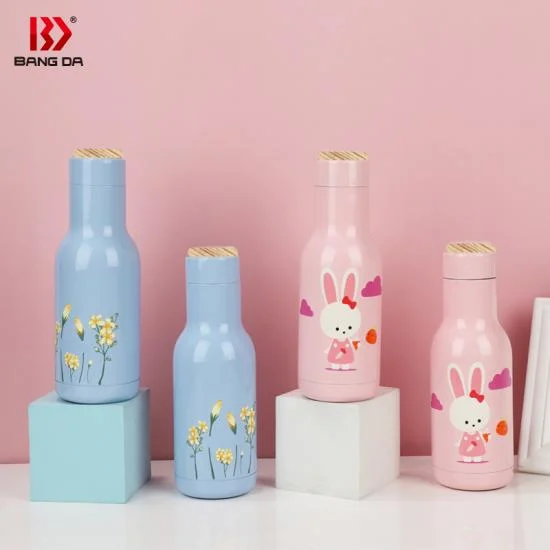
1. Identify Your Target Market and Product Requirements
Before contacting sports bottle manufacturers or requesting quotations, the first step is to identify who will use the products and what they expect from them.
Different customer groups have different preferences regarding bottle materials, capacities, designs, and functions. A product that performs well in one market segment may not be suitable for another.
For example, fitness enthusiasts may prefer lightweight sports bottles that are easy to carry during workouts. Outdoor enthusiasts may prioritize insulation performance and durable construction, while office workers may prefer stainless steel bottles with a simple, modern appearance.
Businesses should consider several questions:
-
Who are the intended customers?
-
Will the bottles be used for sports, outdoor activities, commuting, or everyday hydration?
-
Are lightweight products or insulated bottles more important?
-
What bottle capacities are commonly preferred?
-
Is the product intended for retail distribution, promotional campaigns, or corporate gifts?
Understanding these requirements helps buyers narrow down the available options and avoid purchasing products that do not match their market demand.
For wholesale buyers, it may also be useful to study existing product collections and customer feedback. This can reveal which bottle styles, drinking mechanisms, and material combinations are more attractive to the intended audience.
2. Choose the Right Sports Bottle Material
Material selection is one of the most important decisions when buying sports bottles in bulk. Different materials affect product weight, durability, appearance, insulation, manufacturing costs, and maintenance requirements.
The most common choices include stainless steel, Tritan, polypropylene, and other food-contact-suitable plastics.
Stainless Steel Sports Bottles
Stainless steel sports bottles are popular because of their durability, corrosion resistance, and premium appearance.
Many manufacturers use 304 stainless steel for the interior of reusable water bottles. This material offers good corrosion resistance under normal beverage-use conditions and is widely used in drinkware manufacturing.
Stainless steel bottles are available in both single-wall and double-wall constructions. Double-wall vacuum-insulated models are designed to help maintain beverage temperatures, making them suitable for outdoor activities, commuting, and daily hydration.
For bulk purchasing, buyers should evaluate:
-
Stainless steel grade and material consistency.
-
Inner and outer wall construction.
-
Welding quality and surface finishing.
-
Insulation performance.
-
Resistance to everyday wear and deformation.
-
Compatibility of lids and sealing components.
Not every stainless steel bottle provides the same level of performance. Buyers should request product specifications and samples to evaluate actual construction quality.
Plastic Sports Bottles
Plastic sports bottles are another widely used option, particularly for fitness activities, promotional merchandise, and everyday hydration.
Tritan, PP, and PE are among the materials used in reusable plastic bottle manufacturing. Their properties vary, so buyers should select materials according to the intended application.
Tritan bottles are appreciated for their transparency, lightweight construction, and impact resistance. PP is commonly used in reusable drinkware and bottle components, while PE can be suitable for certain flexible bottle designs.
Plastic sports bottles offer several advantages for bulk purchasing:
-
Lightweight and convenient to transport.
-
Available in different shapes and capacities.
-
Flexible color and appearance options.
-
Suitable for a variety of lid and drinking designs.
-
Practical for promotional and customized products.
Buyers should confirm the specific plastic material, food-contact suitability, temperature limitations, and applicable testing documentation before placing large orders.
Compare Materials According to Application
|
Material |
Main Advantages |
Suitable Applications |
|---|---|---|
|
Stainless steel |
Durable, corrosion-resistant, premium appearance |
Outdoor activities, commuting, daily use |
|
Insulated stainless steel |
Temperature retention, sturdy construction |
Hiking, camping, travel |
|
Tritan |
Lightweight, transparent, impact-resistant |
Gym, fitness, everyday hydration |
|
PP |
Lightweight, versatile, practical |
Reusable drinkware, promotional products |
|
PE |
Flexible and lightweight |
Selected sports and outdoor bottle designs |
Rather than choosing materials based only on popularity, bulk buyers should consider how each option aligns with their customers' expectations and intended product positioning.
3. Evaluate Bottle Capacity and Dimensions
Bottle capacity directly affects user convenience and product suitability. Sports bottles are available in various sizes, and the right option depends on the activities for which they are designed.
Smaller bottles are generally easier to carry during short workouts, running sessions, and daily commuting. Larger-capacity sports bottles are more suitable for extended exercise, outdoor adventures, and situations where frequent refilling is inconvenient.
Common capacity options include:
-
350–500 ml for compact everyday hydration.
-
500–750 ml for gym workouts and general sports activities.
-
750 ml–1 L for longer training sessions and outdoor use.
-
Above 1 L for hiking, travel, and extended hydration needs.
These ranges are general product categories rather than fixed market requirements.
In addition to capacity, buyers should examine the bottle's height, diameter, weight, and overall shape.
For example, a bottle designed for cycling should fit standard bicycle bottle cages. A gym water bottle should fit conveniently into common exercise bags and equipment holders.
The dimensions of the bottle opening also matter. Wide-mouth designs make filling, adding ice, and cleaning easier, while narrower openings may provide more controlled drinking.
When sourcing sports bottles in bulk, it is worth checking whether different capacities can be included in the same product collection. Offering multiple sizes can help retailers serve customers with different hydration preferences.
4. Check Product Design and Functional Features
A sports bottle should be practical to use, not simply attractive in appearance. Its design influences drinking convenience, portability, cleaning, and overall customer satisfaction.
Before placing a bulk order, buyers should carefully examine the following features.
Lid and Drinking Mechanism
Different drinking mechanisms are designed for different usage scenarios.
Common options include screw-on lids, flip-top caps, straw lids, push-button openings, and spout-style designs.
For example, flip-top and straw lids can make drinking more convenient during exercise. Screw-on lids are often selected for their straightforward construction, while wide-mouth openings can simplify filling and cleaning.
Buyers should evaluate whether the lid can be opened easily, whether it closes securely, and whether the drinking mechanism matches the intended application.
Leak-Proof Construction
Leak prevention is essential for reusable sports bottles, especially those carried inside backpacks, gym bags, and travel luggage.
The sealing structure may include silicone rings, threaded connections, locking mechanisms, and other components designed to prevent liquid leakage.
During product evaluation, buyers should check whether the lid fits securely and whether the bottle maintains its sealing performance under normal handling conditions.
A sample testing process should include repeated opening and closing, filling, sealing, and appropriate leak testing.
Ergonomic Design
The shape and surface of a sports bottle affect how comfortably users can hold it.
Ergonomic curves, textured grips, lightweight structures, and integrated carrying handles can improve usability.
For sports bottles intended for running, cycling, or gym workouts, easy one-handed operation may also be an important design consideration.
Ease of Cleaning
Reusable bottles need regular cleaning to maintain hygiene.
Removable lids, wide openings, accessible sealing rings, and simple internal structures can make cleaning easier.
For wholesale buyers, selecting products that are convenient to maintain may help improve customer satisfaction and reduce complaints related to unpleasant odors or residue buildup.
5. Assess Product Quality and Manufacturing Standards
Product quality should be a priority when buying sports bottles in bulk. Even small manufacturing defects can become significant problems when they affect hundreds or thousands of units.
A reliable sports bottle manufacturer should have established production procedures and quality inspection systems.
Important quality factors include:
Material consistency: The manufacturer should be able to provide clear information about the materials used in bottle bodies, lids, seals, and other components.
Structural integrity: Bottle walls, joints, threaded connections, and other structural parts should be properly manufactured and finished.
Surface quality: Check for scratches, uneven coatings, sharp edges, visible defects, and inconsistent colors.
Sealing performance: Lids and sealing rings should fit correctly and provide reliable leak resistance.
Functional performance: Drinking mechanisms, buttons, hinges, and other moving parts should operate smoothly.
Production consistency: Products from different production batches should maintain consistent dimensions, appearance, and functionality.
Buyers should request samples before confirming a large order. Samples provide an opportunity to evaluate the actual product rather than relying entirely on product photographs or technical descriptions.
For larger purchasing projects, buyers can also discuss pre-production samples, in-process inspections, and final random inspections with the supplier.
6. Verify Food-Contact Safety and Compliance Requirements
Sports bottles are products that come into direct contact with drinking water and other beverages. Therefore, material safety and regulatory compliance should be carefully considered during bulk procurement.
Requirements vary depending on the destination market, product materials, and intended use.
For example, businesses importing sports bottles into the United States or European markets may need to consider applicable food-contact regulations and relevant testing requirements.
Buyers should pay attention to:
-
Food-contact suitability of the bottle body.
-
Safety of plastic materials and additives.
-
Material composition of lids and drinking components.
-
Compliance of coatings and surface treatments.
-
Applicable migration testing requirements.
-
Supporting declarations, test reports, and documentation.
A BPA-free claim, for example, should be supported by appropriate material information or testing rather than being used as an unsupported marketing statement.
It is also important to understand that compliance requirements may apply to the complete product, not just the main bottle body.
For customized sports bottles, changes to materials, coatings, printing methods, or lid components may affect the documentation and testing required.
Working with a manufacturer that understands export-market requirements can help buyers reduce potential compliance risks.
7. Consider Customization and Private Label Options
For businesses developing their own product collections, customization is an important factor when choosing a sports bottle supplier.
Customized sports bottles allow brands to create products that reflect their visual identity and target customer preferences.
Depending on the material and manufacturing process, common customization options include:
Logo and Branding
Logo printing is one of the most common requirements for wholesale sports bottle orders.
Available methods may include screen printing, heat transfer printing, laser engraving, and other suitable decoration techniques.
Stainless steel bottles often support laser engraving and powder-coated finishes, while plastic bottles offer flexibility in printed graphics, labels, and color combinations.
Custom Colors and Finishes
Color selection can help businesses develop distinctive product collections.
Buyers may request customized brand colors, matte finishes, glossy surfaces, metallic effects, or transparent designs.
However, customization capabilities depend on the bottle material, production equipment, and order specifications.
Bottle Shape and Structure
Some manufacturers can provide more extensive OEM services, including customized bottle shapes, lid structures, grip designs, and other functional features.
These projects may require additional development time, tooling, and sample approval.
Customized Packaging
Packaging is another important part of private-label sports bottle projects.
Options may include customized cartons, printed product boxes, protective inserts, instruction cards, and branded packaging materials.
Before confirming a customized bulk order, buyers should clarify artwork requirements, printing methods, sample approval procedures, and production lead times.
8. Compare Pricing and Total Purchasing Costs
Price is naturally an important consideration when purchasing sports bottles in bulk. However, selecting a supplier based only on the lowest unit price can create problems later.
A more effective approach is to evaluate the total purchasing cost and compare quotations based on consistent product specifications.
Several factors can influence sports bottle pricing:
-
Bottle material and grade.
-
Product capacity and dimensions.
-
Single-wall or double-wall construction.
-
Insulation structure.
-
Lid design and additional components.
-
Surface treatment and decoration.
-
Customization requirements.
-
Packaging specifications.
-
Order quantity and shipping arrangements.
For example, a double-wall stainless steel sports bottle with a customized finish will generally involve different manufacturing processes and material requirements from a basic plastic water bottle.
Buyers should also consider costs beyond the quoted unit price, such as sample development, custom tooling, packaging, inspection, transportation, and import-related expenses.
When comparing suppliers, make sure that the quotations cover the same specifications. Otherwise, a lower quotation may simply reflect differences in material quality, product construction, or included services.
The goal should be to find a supplier that offers an appropriate balance between product quality, functionality, customization, and purchasing cost.
Conclusion
Buying sports bottles in bulk requires careful evaluation of several factors, including target market, material selection, product capacity, functional design, manufacturing quality, food-contact safety, customization, pricing, production capacity, and delivery arrangements.
There is no single sports bottle design that suits every customer or application. Stainless steel bottles may be more appropriate for products that emphasize durability and insulation, while plastic sports bottles offer advantages in lightweight construction, portability, and design flexibility.
For wholesale buyers, distributors, retailers, and private-label brands, the key is to select products that match market demand while maintaining consistent quality and reliable supply.
Choosing an experienced manufacturing partner is equally important. Bangda provides sports bottle solutions for businesses looking to develop different product styles, material options, and customized drinkware collections. By working with a supplier that understands product requirements, manufacturing processes, and market expectations, buyers can build a more competitive sports bottle range and establish a stronger foundation for long-term business growth.
www.bangdabottle.com
bangda