
 admin
In the realm of fluid measurement, precision and reliability are paramount. The advent of battery electromagnetic flowmeters has revolutionized the way we measure the flow of conductive liquids, offering a solution that is both innovative and indispensable. These devices are designed to provide highly accurate flow measurements even in the most challenging environments, where a traditional power supply may not be feasible.
The Essence of Battery Electromagnetic Flowmeters
At the core of a battery electromagnetic flowmeter lies its ability to function autonomously, powered by internal batteries. This feature makes it an ideal choice for remote or hard-to-reach areas where a reliable power supply is not available. The technology behind these flowmeters is based on the principle of electromagnetic induction, which ensures that the flow measurement is not affected by changes in fluid viscosity or density.
Applications of Battery Electromagnetic Flowmeters
The applications of battery electromagnetic flowmeters are vast and varied. They are commonly used in district metering areas for water management, in water abstraction, and for custody transfer measurement of potable water. Additionally, they are employed in irrigation systems, construction sites, and for maintenance in waterworks and wastewater facilities. Their versatility extends to industries such as agriculture, where they monitor and control the flow of water to crops, and in environmental monitoring, where they help in tracking water consumption and detecting leaks.
Technical Specifications and Features
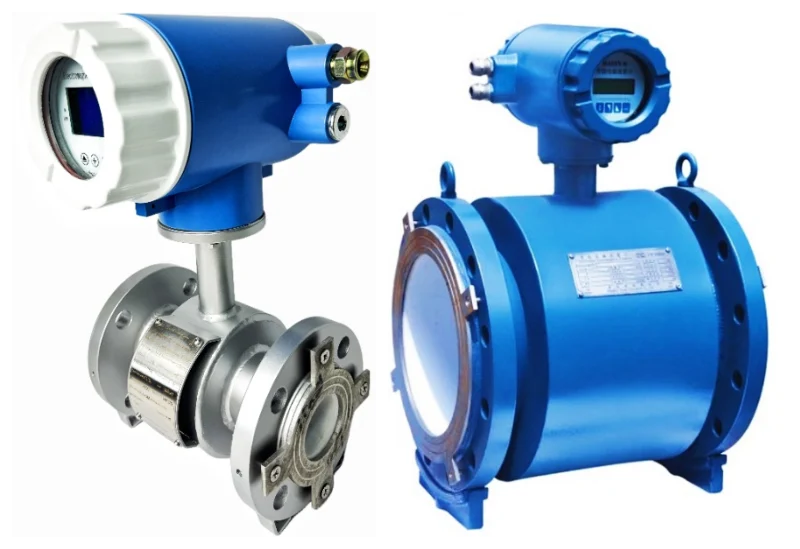
Battery electromagnetic flowmeters come with a range of technical specifications that cater to different requirements. They are available in various sizes, typically from DN 15 to DN 600, and can measure flow rates from as low as 0.03 m/s to as high as 12 m/s. The accuracy of these devices is impressive, with some models boasting an accuracy better than ±0.4% of the measured flow rate. They are also equipped with advanced features such as data logging, remote control via USB, and various communication interfaces like Modbus, ensuring seamless integration with existing systems.
Durability and Environmental Adaptability
One of the standout features of battery electromagnetic flowmeters is their robustness and adaptability to harsh environmental conditions. With IP67 or IP68 housing options, these devices can withstand submersion and are suitable for use in extreme temperatures, making them reliable even when submerged or exposed to the elements.
Longevity and Maintenance
The battery life of these flowmeters is another significant advantage, with some models offering an autonomy of up to 12 years. This extended battery life reduces the need for frequent maintenance and replacement, making them a cost-effective solution in the long run. Moreover, the absence of moving parts in the flow profile ensures that these meters are virtually maintenance-free, further adding to their appeal.
Connectivity and Data Management
In today's interconnected world, the ability to remotely access and manage data is crucial. Battery electromagnetic flowmeters are equipped with various connectivity options, such as GSM/GPRS, radio frequency, and WIFI, allowing for real-time data monitoring and management. This feature is particularly beneficial for large-scale operations where centralized data compilation and evaluation are necessary.
Future Prospects and Innovations
As technology continues to advance, so too does the development of battery electromagnetic flowmeters. Innovations in battery technology, communication methods, and data processing are expected to further enhance the capabilities of these devices. The integration of cloud technology and IoT (Internet of Things) is set to make battery electromagnetic flowmeters even more powerful, enabling smarter and more efficient fluid management systems.
Conclusion
The battery electromagnetic flowmeter stands as a testament to the progress of technology in the field of fluid measurement. Its ability to provide accurate, reliable, and low-maintenance flow measurement in remote locations has made it an essential tool for various industries. As we look to the future, the potential for further advancements in this technology is exciting, promising even greater accuracy, connectivity, and efficiency.
Lee
lee@accurainstrument.com