
 admin
The world is increasingly turning toward renewable energy solutions to combat climate change, and among these, solar power has emerged as a leading technology. One key component of solar power systems is the PV rack, which serves as a crucial support structure for solar panels. This article Shuoer explores the materials of PV racks, providing insights into how they contribute to the overall efficiency and reliability of solar energy installations.
What are PV Racks in Solar Panel Systems?
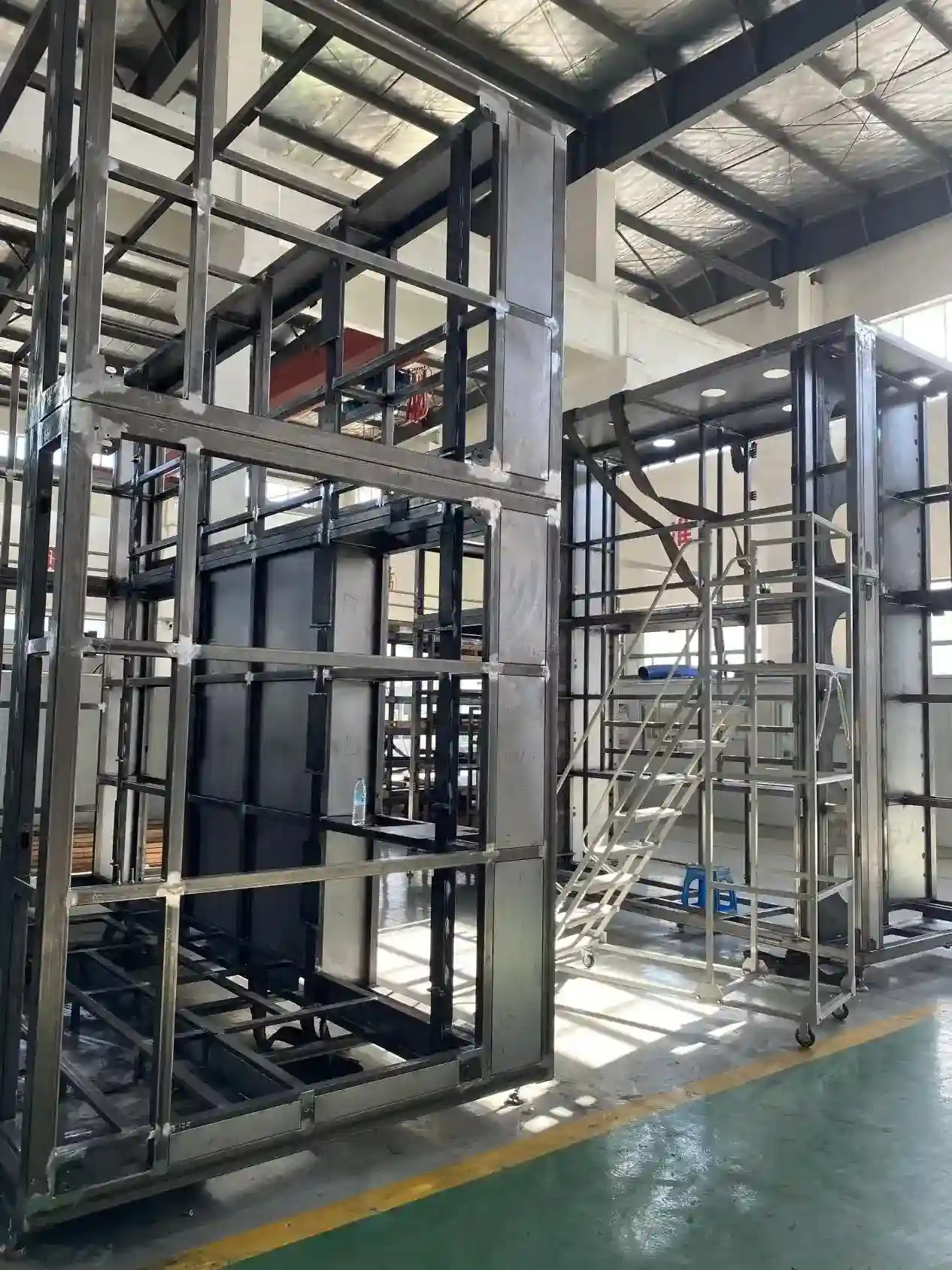
A PV rack, also known as a mounting structure or solar panel rack, is an essential component in a solar energy system. It acts as the primary support for the solar panels, holding them in place and ensuring they remain secure throughout the lifespan of the system. In essence, the PV rack is the backbone that keeps the solar panels stable, even under extreme environmental conditions. It ensures that the panels remain correctly positioned to capture sunlight for optimal energy production. The importance of PV racks cannot be overstated. Without an efficient mounting system, solar panels may become misaligned, which would significantly reduce their ability to collect sunlight. Furthermore, in areas with extreme weather conditions, such as heavy winds, snow, or rain, the stability provided by a well-designed rack is crucial for ensuring the longevity of the entire solar system. Additionally, the positioning and angle of the solar panels are directly influenced by the PV rack. By maintaining the ideal orientation, PV racks maximize the amount of sunlight absorbed by the panels, thus increasing the overall efficiency of the solar energy system. This optimal positioning is crucial in ensuring the system's energy output, especially for large-scale solar installations and commercial solar projects.
Materials and Durability of PV Racks
The materials used to manufacture PV racks play a vital role in their overall performance and durability. Given the harsh environmental conditions that solar systems are often subjected to, PV racks must be able to withstand high winds, snow loads, and exposure to UV radiation. The materials must also be corrosion-resistant to prevent rust and deterioration over time.
The most commonly used materials for PV racks include:
-
Aluminum: Lightweight, durable, and resistant to corrosion, aluminum is one of the most widely used materials in PV rack construction. It is ideal for both residential and commercial solar systems, especially in coastal areas or locations with high humidity levels. The low weight of aluminum racks also makes installation easier and faster.
-
Steel: Steel is another popular material for PV racks due to its strength and durability. While steel racks are heavier than aluminum, they offer increased strength, making them suitable for large-scale installations where stability is crucial. Steel racks are often coated with a layer of protective material to prevent rust and ensure their longevity.
-
Stainless Steel: Stainless steel combines the strength of steel with excellent corrosion resistance, making it an ideal material for PV racks in harsh environments. Although more expensive than aluminum or steel, stainless steel racks are often used in projects that require the highest level of durability.
-
Plastic and Composite Materials: Some PV racks are made from plastic or composite materials. These racks are generally lighter and more affordable than metal alternatives but may not offer the same level of durability. They are typically used in small-scale residential systems where cost considerations are more important than long-term durability.
In conclusion, PV racks are an integral component of solar panel installations, providing stability, durability, and optimal panel positioning for maximum energy production. Whether ground-mounted, roof-mounted, or pole-mounted, these racks ensure that solar panels remain secure and properly oriented, contributing to the long-term efficiency and reliability of the solar system. By choosing the right materials, carefully considering installation requirements, and maintaining the system over time, PV racks can significantly enhance the performance and longevity of solar energy systems.
https://www.shuoermetals.com/Photovoltaic-Racking.html
www.shuoermetals.com
Wuxi Shuoer Intelligent Technology Co., Ltd.