
 admin
As pickleball becomes increasingly competitive, paddle performance is no longer judged only by power, spin, or feel. Consistency, compliance, and engineering precision are becoming equally important. PBCoR testing provides manufacturers with valuable data for understanding how a pickleball paddle responds during impact and how consistently it performs.
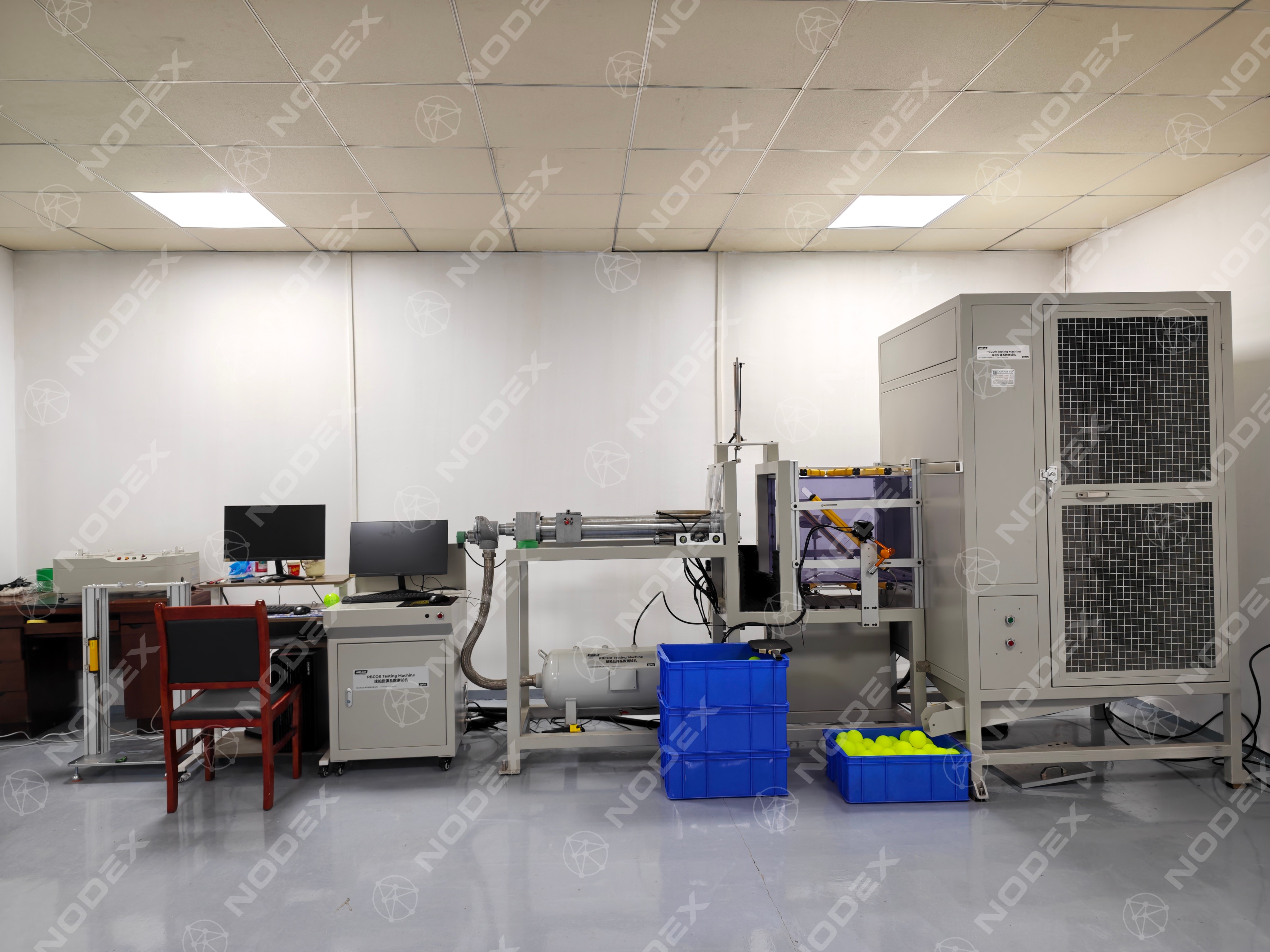
What Is PBCoR Testing?
PBCoR testing evaluates a paddle's response under controlled impact conditions. It can provide insights into energy transfer, rebound behavior, response consistency, and overall performance stability.
For paddle manufacturers, this type of testing is useful for comparing different constructions and identifying how materials and internal structures influence playing characteristics.
Supporting Better Paddle Engineering
Modern pickleball paddles can feature different core structures, carbon fiber surfaces, foam-injected designs, and thermoformed constructions. PBCoR testing allows engineers to compare these options during product development.
Testing can help manufacturers evaluate core designs, optimize surface and structural configurations, validate prototypes, and improve consistency during mass production. This makes testing an important part of the engineering process rather than simply a final compliance step.
From Manufacturing to Engineering
Producing a paddle is only one part of developing a competition-level product. Premium paddle manufacturing also requires material expertise, structural knowledge, testing capabilities, process control, and stable production.
By combining laboratory testing with advanced manufacturing processes, companies can develop paddles that are not only high-performing but also more consistent from one production batch to another.
Building Competition-Level Pickleball Paddles
The future of pickleball paddle development will increasingly depend on data-driven engineering and reliable testing. PBCoR testing helps manufacturers better understand paddle performance and make informed decisions throughout the development process.
For brands seeking competition-level pickleball paddles, working with a manufacturer that combines testing capabilities with engineering and production expertise can provide a stronger foundation for creating reliable, high-performance products.
www.amasport.com
AMA SPORT