High-performance chain stitch machines play a vital role in garment manufacturing, upholstery production, and industrial sewing applications. Their speed, precision, and efficiency make them essential for achieving consistent stitching quality. Ningbo Sanhexin Automation Co., Ltd., a professional enterprise specializing in the research, development, production, and sales of sewing machines, offers advanced chain stitch machines engineered for stable performance, durable construction, and high-efficiency operation. Understanding how to troubleshoot common issues can help users maintain smooth workflow and extend equipment lifespan.
Understanding the Importance of Proper Machine Setup
Before troubleshooting, ensuring the machine is set up correctly is key to achieving optimal performance. High-precision chain stitch machines rely on synchronized mechanisms, adjustable tension systems, and high-quality components.
A well-configured Sanhexin machine provides:
Smooth mechanical coordination
Reliable thread handling
Stable sewing speed for industrial workloads
Reduced wear and extended durability
Correct setup minimizes unexpected issues, reduces downtime, and enhances stitching consistency.
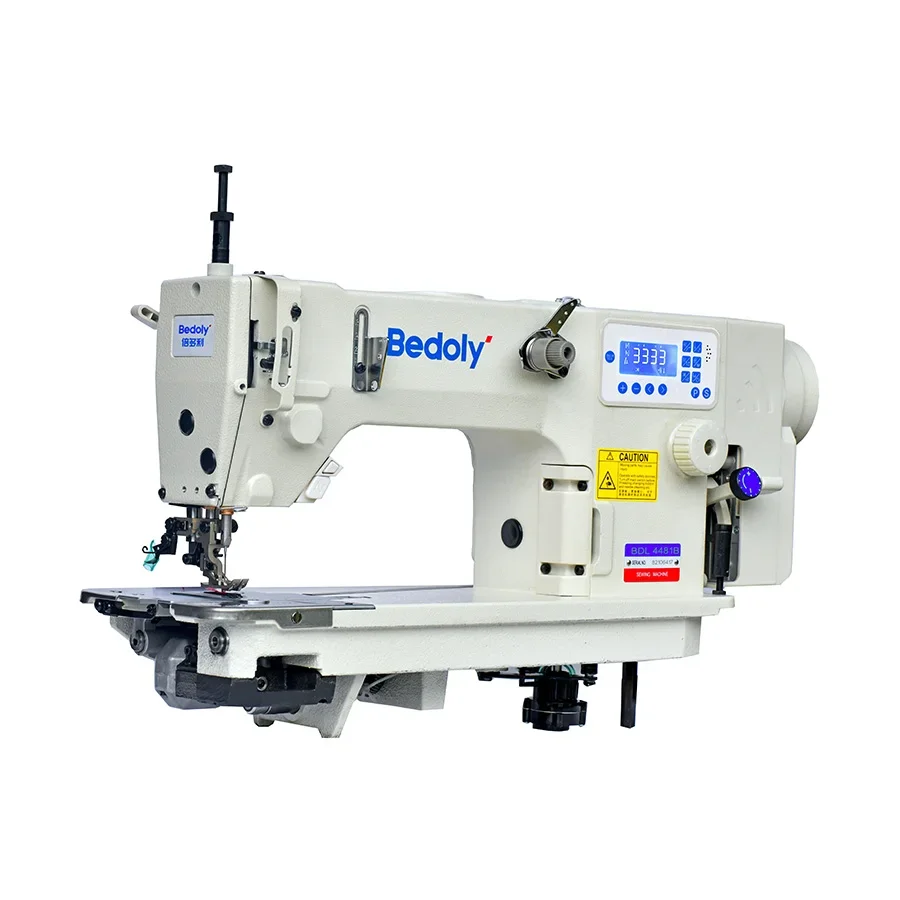
Resolving Thread Breakage and Skipped Stitches
Thread-related problems are among the most common challenges with chain stitch machines. Fortunately, they are usually easy to resolve.
Potential causes include:
Improper threading
Incorrect needle installation
Worn or low-quality needles
Excessive tension or friction
Debris or lint in the thread path
Solutions:
Follow the machine’s threading path precisely
Replace dull or bent needles
Adjust thread tension to balance flexibility and strength
Clean guides, tension disks, and thread take-up areas
Use high-quality, consistent-diameter threads
Sanhexin’s machines feature precisely engineered thread paths and user-friendly tension systems, helping operators maintain stable thread flow with fewer interruptions.
Fixing Irregular or Loose Chain Stitches
Chain stitch machines form stitches using loopers rather than shuttles, which means proper synchronization is essential.

 0
0
 0
0 


