As industries face increasing pressure to reduce environmental impact while maintaining operational efficiency, sustainable waste management has become a core strategic priority. Among the available solutions, industrial waste incinerators play a crucial role in safely treating hazardous waste while supporting resource recovery and regulatory compliance.
Far from being just a disposal method, modern incineration technology has evolved into an integrated environmental solution that combines waste reduction, pollution control, and energy efficiency. This article explores the top benefits of using an industrial waste incinerator and why it remains a key component in sustainable industrial operations.
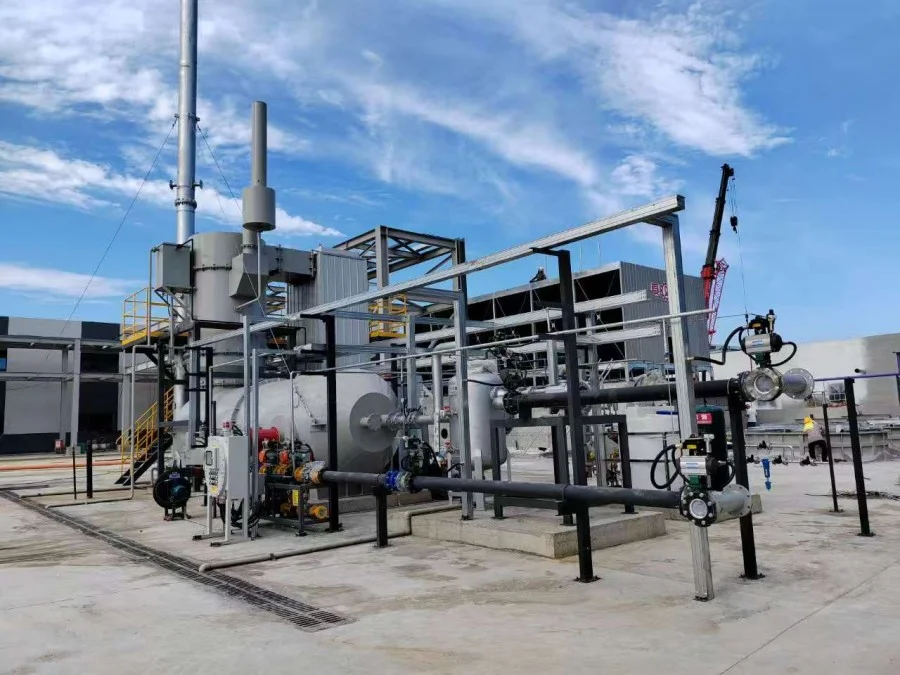
Significant Volume Reduction
One of the most immediate advantages of industrial waste incineration is its ability to drastically reduce the volume and mass of waste.
Through high-temperature combustion, hazardous waste can be reduced by up to 90%, leaving behind only a small amount of inert ash. This significantly lowers the burden on landfills and minimizes the environmental risks associated with long-term waste storage.
For industries generating large quantities of hazardous waste, such as chemical manufacturing or healthcare, this reduction translates directly into cost savings and improved site management.
Effective Destruction of Hazardous Substances
Industrial waste often contains toxic organic compounds, pathogens, and hazardous chemicals that cannot be safely disposed of through conventional methods.
Incineration ensures complete thermal destruction of these substances under controlled conditions, typically at temperatures ranging from 850°C to 1200°C. This process breaks down complex molecules into simpler, less harmful components, effectively eliminating environmental and health risks.
Advanced systems, such as those provided by Aoli Environmental Protection Technology Co., Ltd., are specifically designed to handle diverse waste streams, including organic waste gases, liquid waste, hazardous chemical waste, and medical waste, ensuring safe and efficient treatment across multiple industries.
Enhanced Environmental Compliance
Environmental regulations are becoming increasingly stringent worldwide, particularly regarding hazardous waste treatment and air emissions.
Modern industrial waste incinerators are equipped with comprehensive flue gas treatment systems, including scrubbers, bag filters, and activated carbon units. These systems effectively control pollutants such as:
Particulate matter
Acid gases (SOx, NOx)
Dioxins and furans
Heavy metals
By integrating advanced emission control technologies, businesses can meet or exceed regulatory standards, reducing the risk of penalties and operational disruptions.
Energy Recovery and Resource Efficiency
A key feature of modern incineration systems is their ability to recover energy from waste.
The heat generated during combustion can be captured and reused in the form of steam, hot water, or even electricity. This not only improves overall system efficiency but also reduces dependence on external energy sources.
Aoli Environmental Protection Technology Co., Ltd. incorporates heat recovery solutions into its incineration systems, enabling clients to transform waste into a valuable energy resource. This aligns with circular economy principles and enhances the sustainability profile of industrial operations.
Versatility Across Multiple Waste Streams
Industrial waste is rarely uniform. It often includes a combination of solids, liquids, sludges, and gases, each requiring different treatment approaches.
Industrial waste incinerators offer exceptional versatility, with specialized systems available for different applications:
Rotary kiln incinerators for mixed hazardous waste
Pyrolysis furnaces for medical and organic waste
Liquid incinerators for chemical waste fluids
Regenerative Thermal Oxidizers (RTO) for VOC treatment
This flexibility allows businesses to implement a unified waste treatment strategy rather than relying on multiple fragmented solutions.
Reduction of Environmental Liability
Improper handling and disposal of hazardous waste can lead to severe environmental contamination, legal liabilities, and reputational damage.
By adopting a reliable incineration system, companies can significantly reduce these risks. Controlled incineration ensures that hazardous materials are treated at the source, preventing leaks, spills, and long-term environmental impact.
This proactive approach to waste management strengthens corporate responsibility and builds trust with regulators, stakeholders, and the public.
Improved Operational Efficiency
Modern incinerators are equipped with advanced automation and control systems that streamline operations and reduce manual intervention.
Key features include:
Automated feeding and ash removal
Real-time monitoring of temperature and emissions
Intelligent control systems for process optimization
These capabilities not only improve safety but also enhance operational efficiency, allowing facilities to maintain consistent performance with minimal downtime.
Support for Sustainable Development Goals
Sustainability is no longer just a compliance requirement—it is a business imperative. Industrial waste incineration contributes to several key sustainability objectives, including:
Reducing landfill dependency
Lowering greenhouse gas emissions (when combined with energy recovery)
Promoting resource efficiency
Ensuring safe disposal of hazardous materials
By integrating advanced incineration technologies, companies can align their operations with global sustainability frameworks and ESG (Environmental, Social, and Governance) goals.
The Role of Advanced Manufacturers
The effectiveness of an incineration system depends heavily on its design, engineering quality, and integration capabilities.
Aoli Environmental Protection Technology Co., Ltd., as a professional incinerator manufacturer, offers a comprehensive range of solutions tailored to modern industrial needs. Its product portfolio includes medical waste pyrolysis furnaces, process waste incinerators, waste liquid and gas incinerators, RTO systems, hazardous waste rotary kiln incinerators, and heat recovery equipment.
By combining technological innovation with practical engineering experience, Aoli helps businesses achieve efficient, compliant, and sustainable waste management.
Conclusion
Industrial waste incinerators are no longer just a disposal tool—they are a cornerstone of sustainable waste management strategies. From reducing waste volume and eliminating hazardous substances to enabling energy recovery and ensuring regulatory compliance, their benefits are both immediate and long-term.
For businesses seeking to improve environmental performance while maintaining operational efficiency, investing in a high-quality industrial waste incinerator is a strategic decision. With the support of experienced manufacturers like Aoli Environmental Protection Technology Co., Ltd., companies can build future-ready waste management systems that deliver both economic and environmental value.
www.jsalfsl.com
Jiangsu Aoli Environmental Protection Technology Co., Ltd.

 0
0
 0
0 


