Introduction
In modern HVAC systems and industrial energy recovery applications, improving energy efficiency is no longer optional—it is a necessity. Among various heat recovery technologies, the heat pipe heat exchanger has become one of the most reliable and low-maintenance solutions for transferring thermal energy between two air streams without direct contact.
However, selecting the right system is not always straightforward. Different applications require different configurations, materials, airflow designs, and thermal performance levels. Choosing the wrong type can lead to poor efficiency, higher operational costs, or even system failure in extreme environments.
This article provides a comprehensive guide on how to select the right heat pipe heat exchanger for your project, covering technical principles, selection criteria, application scenarios, and common mistakes to avoid.
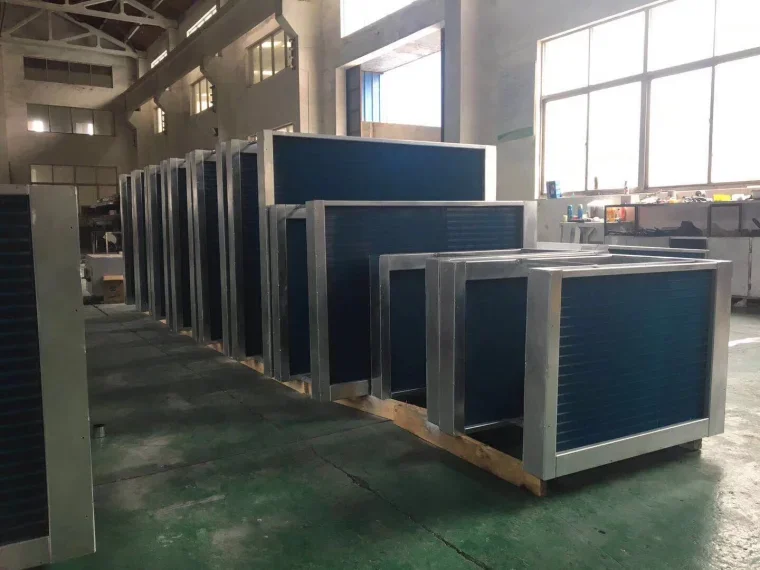
1. Understanding How a Heat Pipe Heat Exchanger Works
Before selecting a system, it is essential to understand its working principle.
A heat pipe heat exchanger uses sealed pipes filled with a working fluid. The process involves three main stages:
Evaporation (hot side)
Hot air flows over one section of the heat pipe. The working fluid inside absorbs heat and evaporates.Heat transfer (middle section)
The vapor moves inside the sealed pipe due to pressure differences.Condensation (cold side)
On the other side, the vapor releases heat and condenses back into liquid.
This cycle repeats continuously without pumps or moving mechanical parts, making it highly efficient and low-maintenance.
2. Define Your Project Requirements First
The most important step in selecting a heat pipe heat exchanger is understanding your system requirements. Many engineers make the mistake of choosing equipment before fully defining operational conditions.
Key questions include:
What is the purpose of heat recovery? (HVAC energy saving, industrial waste heat reuse, process cooling, etc.)
What is the airflow rate (CFM or m³/h)?
What is the temperature range of inlet and outlet air streams?
Are there any humidity or condensation risks?
Is the system operating continuously or intermittently?
A clear understanding of these parameters will significantly narrow down suitable options.
3. Choose the Right Type of Heat Pipe Heat Exchanger
Different configurations are designed for different applications. The most common types include:
3.1 U-Shaped Heat Pipe Type
This is one of the most widely used designs in HVAC systems.
Best for:
Standard air handling units (AHUs)
Commercial ventilation systems
Moderate temperature differences
Advantages:
Stable performance
Simple structure
Easy maintenance
3.2 Low-Temperature Heat Pipe Type
Designed for cold climate or low-grade heat recovery applications.
Best for:
Cold storage facilities
Northern climate HVAC systems
Frost-sensitive environments
Advantages:
Anti-freezing performance
Reliable operation in winter conditions
3.3 Gas-to-Gas Heat Pipe Heat Exchanger
Used when both sides are air or gas streams.
Best for:
Industrial ventilation systems
Exhaust air heat recovery
Clean room environments
Advantages:
No cross-contamination
High energy recovery efficiency
3.4 Gas-to-Liquid or Steam Systems
These are more advanced configurations.
Best for:
Industrial process heat recovery
Chemical plants
Steam-based systems
Advantages:
High thermal capacity
Suitable for heavy-duty environments
4. Evaluate Thermal Performance Requirements
Thermal performance is one of the most critical selection criteria.
When evaluating a system, consider:
4.1 Heat Recovery Efficiency
Most high-quality heat pipe systems achieve:
40%–70% energy recovery efficiency (depending on conditions)
Higher efficiency is usually achieved when:
Temperature difference is large
Airflow is balanced
Heat transfer surfaces are optimized
4.2 Pressure Drop
Lower pressure drop means lower fan energy consumption.
A good system should:
Maintain efficiency while minimizing airflow resistance
Avoid excessive energy consumption in HVAC fans
4.3 Temperature Cross Control
Ensure that:
Hot and cold streams remain fully separated
No leakage or mixing occurs
Heat transfer remains stable across seasons
5. Material Selection Matters More Than You Think
Material selection directly affects durability and efficiency.
5.1 Tube Material
Common choices include:
Copper (high thermal conductivity, premium systems)
Aluminum (cost-effective, lightweight)
Stainless steel (corrosion resistance, industrial environments)
5.2 Coating and Protection
For harsh environments, consider:
Anti-corrosion coatings
Anti-salt fog treatment (marine applications)
Anti-frost surface treatments
6. Environmental Conditions and Application Scenarios
A heat pipe heat exchanger must match the environment where it will operate.
6.1 Industrial Plants
High dust levels
Corrosive gases possible
Requires durable coatings and strong sealing
6.2 Commercial Buildings
Office buildings, malls, hotels
Focus on energy savings and quiet operation
6.3 Data Centers
High cooling demand
Requires stable and precise thermal control
6.4 Coastal or Marine Environments
High humidity and salt exposure
Requires corrosion-resistant materials and protective coatings
7. Installation Space and Layout Considerations
Physical constraints often determine which system can be used.
Key design factors include:
Available duct space
Orientation (horizontal or vertical installation)
Maintenance access space
Integration with existing HVAC systems
Improper layout can reduce efficiency even if the system is technically suitable.
8. Energy Efficiency and ROI Analysis
While initial cost is important, long-term energy savings are often more critical.
A properly selected heat pipe heat exchanger can:
Reduce HVAC energy consumption by 20%–40%
Shorten return on investment (ROI) to 2–5 years in many cases
When evaluating ROI, consider:
Electricity cost per kWh
Operating hours per year
Maintenance savings
System lifespan (typically 10–20 years)
9. Common Mistakes to Avoid
Many projects fail due to incorrect selection decisions.
Mistake 1: Ignoring airflow balance
Unbalanced airflow reduces heat transfer efficiency significantly.
Mistake 2: Overestimating efficiency
Manufacturers may list ideal conditions that do not match real-world use.
Mistake 3: Wrong material selection
Using standard aluminum in corrosive environments leads to early failure.
Mistake 4: Poor maintenance planning
Even low-maintenance systems require periodic inspection.
10. Working With the Right Manufacturer
Selecting a reliable heat pipe heat exchanger manufacturer is just as important as selecting the product itself.
A good supplier should provide:
Engineering design support
Customized system configuration
Thermal performance simulation
Installation guidance
After-sales service
Custom engineering is often necessary for complex industrial systems.
Conclusion
Selecting the right heat pipe heat exchanger is a multi-factor engineering decision that requires careful consideration of system requirements, environmental conditions, thermal performance, and long-term operational costs.
To summarize:
Start with clear project specifications
Choose the right exchanger type for your application
Evaluate efficiency, pressure drop, and durability
Match materials with environmental conditions
Consider lifecycle cost, not just purchase price
When properly selected and designed, a heat pipe heat exchanger can significantly improve energy efficiency, reduce operational costs, and enhance system reliability across a wide range of industries.
www.nowvleco.com
nowvleco

 0
0
 0
0 


