How to Properly Install and Calibrate an FBG Thermometer for Long-Term Temperature Monitoring
As industrial facilities continue moving toward intelligent monitoring and predictive maintenance, Fiber Bragg Grating (FBG) thermometers are becoming an important technology for accurate temperature measurement in demanding environments. These fiber optic sensors are widely applied in power transmission systems, oil and gas pipelines, underground tunnels, battery energy storage stations, and other critical infrastructure projects where stable, long-term monitoring is essential.
Compared with conventional electrical sensors, FBG temperature sensors offer strong resistance to electromagnetic interference, excellent durability, and the ability to perform distributed sensing over long distances. However, the long-term reliability of an FBG monitoring system depends not only on sensor quality, but also on proper installation, calibration, and maintenance procedures.
This article explains the practical process of installing and calibrating an FBG thermometer while introducing how Shenzhen Mingsheng Electrical Co., Ltd. (MINSAINT) supports industrial applications with advanced fiber optic sensing technologies.
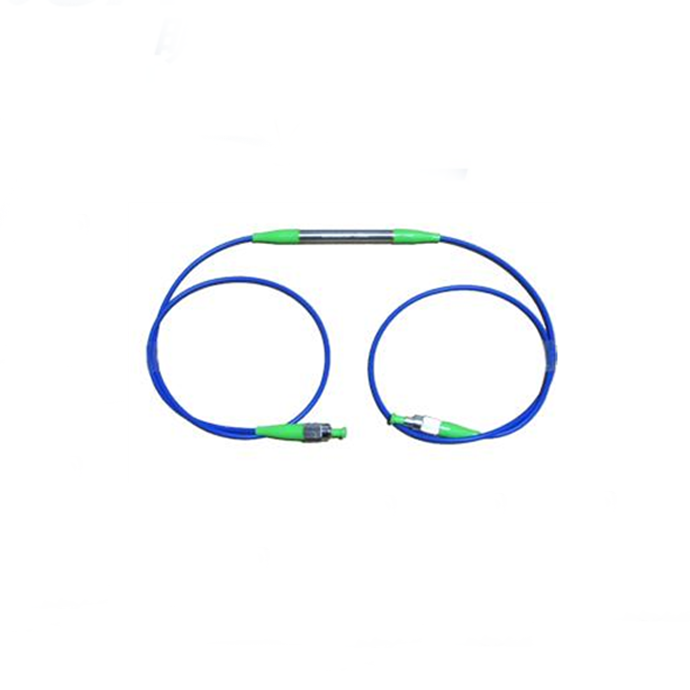
What Is an FBG Thermometer?
An FBG thermometer measures temperature by detecting changes in the reflected Bragg wavelength inside an optical fiber grating. When temperature changes occur, the fiber experiences thermal expansion and refractive index variation, causing the reflected wavelength to shift accordingly.
Because of this principle, FBG thermometers provide several important advantages:
High measurement accuracy and sensitivity
Strong resistance to corrosion and harsh environments
Long-distance and distributed monitoring capability
Immunity to electromagnetic interference
These characteristics make FBG-based sensors highly suitable for applications in electric power systems, petrochemical facilities, transportation infrastructure, and industrial safety monitoring.
Key Preparations Before Installation
Successful deployment starts with careful planning. Before installing an FBG thermometer, several factors should be evaluated to ensure accurate and stable operation.
1. Clarify Monitoring Requirements
First, determine the specific monitoring objectives, including:
Expected temperature range
Required accuracy level
Sensor response speed
Environmental conditions such as humidity, vibration, or chemical exposure
Different applications have different priorities. For instance, battery thermal monitoring often requires rapid response and high sensitivity, while long-distance pipeline systems focus more on stability and reliability over time.
2. Choose the Right Sensor Packaging
FBG thermometers are available in multiple structural forms designed for different environments, such as:
Bare fiber sensors for embedded applications
Armored fiber cables for harsh industrial conditions
Surface-mounted probe designs
MINSAINT offers a variety of fiber optic sensing products, including FBG sensing systems and distributed sensing technologies such as DTS, DAS, and BOTDR, enabling flexible deployment across industries including energy, transportation, and infrastructure.
3. Conduct an Installation Site Assessment
Before installation, evaluate the monitoring location carefully:
Surface condition and cleanliness
Potential mechanical stress or vibration
Cable routing accessibility
Maintenance accessibility
Good preparation helps minimize installation errors and improves long-term measurement accuracy.
Step-by-Step FBG Thermometer Installation
Step 1: Prepare the Installation Surface
The mounting surface should be:
Clean and dry
Free of dust, grease, rust, or corrosion
Smooth enough to ensure proper sensor contact
For metal structures such as pipelines or tanks, grinding and polishing may be required to improve contact quality.
Step 2: Position the Sensor Correctly
Place the FBG sensor at critical temperature monitoring points, including:
Cable joints and connectors
Battery cells or thermal hotspots
Structural weak areas
Locations with significant temperature fluctuations
Avoid excessive bending or twisting of the optical fiber during placement, since mechanical strain can introduce measurement errors.
Step 3: Secure the Sensor
Depending on the application environment, sensors can be fixed using:
High-temperature adhesives
Metal clamps or mounting brackets
Protective conduits
During fixation, ensure:
Tight contact between the sensor and measurement surface
Minimal external strain on the optical fiber
Adequate mechanical protection
Proper mounting directly affects measurement stability and sensor lifespan.
Step 4: Route and Protect Optical Fibers
Optical fibers should be routed carefully to avoid damage or signal loss. Recommended practices include:
Maintaining the minimum bending radius
Using protective tubing in high-risk areas
Keeping fibers separated from high-voltage electrical cables when possible
Effective cable management improves system reliability in long-term industrial operation.
Step 5: Connect to the Optical Interrogator
After installation, connect the FBG sensor to the interrogator unit that converts wavelength signals into temperature data.
Important checks include:
Cleaning optical connectors before connection
Ensuring stable and secure interfaces
Properly labeling monitoring channels for maintenance convenience
The interrogator is a critical component of the entire sensing system and directly influences data accuracy.
FBG Thermometer Calibration Procedure
Even when sensors are factory calibrated, field calibration remains important because installation conditions may influence actual performance.
1. Prepare Calibration Equipment
Calibration is typically performed using:
A temperature calibration chamber
A controlled water bath
A high-accuracy reference thermometer
The FBG sensor and reference device should be placed in the same temperature environment.
2. Collect Temperature and Wavelength Data
Gradually change the environmental temperature while recording:
Reference temperature values
Corresponding Bragg wavelength readings
At each calibration point, wait until the temperature stabilizes before recording data to ensure consistency.
3. Generate the Calibration Curve
Using collected data, establish the relationship between wavelength shift and temperature through:
Linear fitting
Polynomial regression analysis
The resulting calibration curve is then used for real-time temperature conversion during system operation.
4. Eliminate Strain Interference
FBG sensors respond not only to temperature but also to mechanical strain. To reduce measurement error:
Use strain-isolated sensor packaging
Install dedicated compensation sensors when necessary
This is especially important in tunnels, bridges, pipelines, and other structures exposed to mechanical deformation.
Real-World Industrial Applications
In high-voltage cable temperature monitoring systems, FBG sensors are often installed at cable joints and distributed along cable routes. Armored optical cables provide additional environmental protection, while calibration is completed before the system enters operation.
Collected temperature data is then integrated into online monitoring platforms for real-time analysis and early warning functions.
MINSAINT has participated in numerous industrial projects involving:
Power cable monitoring
Oil storage tank temperature systems
Tunnel and subway safety monitoring
Pipeline leakage detection
Fire early-warning systems
Their fiber optic sensing technologies are widely used across multiple industries throughout China.
Maintenance and Long-Term Reliability
Routine Inspection
Regular maintenance should include checking:
Optical fiber integrity
Connector cleanliness and stability
Sensor attachment condition
Periodic inspections help prevent unexpected failures.
Scheduled Recalibration
Recalibration may be required:
Annually
After major environmental changes
Following mechanical impacts or repairs
This helps maintain long-term measurement accuracy.
Data Verification and Analysis
Modern monitoring software can be used to:
Detect abnormal temperature trends
Identify sensor drift
Validate data consistency
Advanced analytics improve operational safety and system reliability.
Common Installation Problems to Avoid
Several common mistakes can reduce FBG system accuracy and lifespan:
Excessive fiber bending
Poor sensor-to-surface contact
Ignoring strain-induced interference
Inadequate protection in harsh environments
Skipping on-site calibration procedures
Avoiding these issues greatly improves monitoring stability and long-term performance.
Integration with Intelligent Monitoring Platforms
Today, FBG thermometers are frequently integrated into comprehensive smart monitoring systems. MINSAINT provides complete fiber optic sensing solutions for:
Online power system monitoring
Pipeline intrusion and leakage detection
LNG storage temperature monitoring
Tunnel and subway safety management
Fire detection and warning systems
By combining fiber optic sensing with intelligent data analysis, these systems support real-time decision-making and proactive risk prevention.
Learn More About FBG Thermometers
For additional technical information and application examples, please visit:
<a href="https://www.minsaint.com/fiber-grating-thermometer.html">fiber grating thermometer</a>
Conclusion
Proper installation and calibration are essential for maximizing the performance of Fiber Bragg Grating thermometers. From installation planning and sensor mounting to calibration and long-term maintenance, each stage directly influences monitoring accuracy and operational reliability.
With growing demand for intelligent infrastructure and industrial safety, FBG sensing technology continues to play an increasingly important role. Supported by experienced providers such as MINSAINT, industries can implement highly reliable fiber optic monitoring systems tailored to complex operating environments.
www.minsaint.com
Shenzhen Mingsheng Electrical Co ., Ltd. ( MINSAINT)

 0
0
 0
0 


