Industrial production today is faster, more automated, and more interconnected than ever before. While these advances have driven efficiency and scale, they have also introduced new safety challenges. A single piece of foreign material—metal fragments, plastic debris, or unexpected contaminants—can shut down an entire production line, damage expensive equipment, or compromise product quality. This is where Foreign Object Detectors (FODs) are quietly reshaping industrial safety standards.
In this article, we explore how foreign object detection technology is being applied in real industrial environments, why it has become a core element of modern safety systems, and how companies like Being (Shanghai) Intelligent Technology Co., Ltd. integrate such technologies into sustainable, customized industrial solutions.
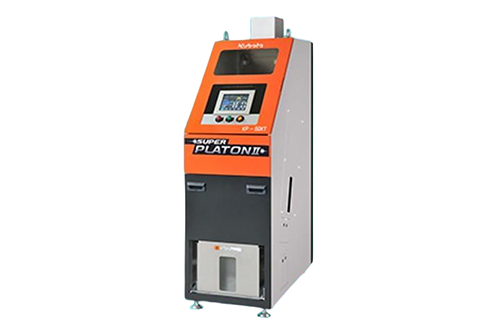
Understanding Foreign Object Detection in Industrial Settings
Foreign Object Detectors are systems designed to identify unwanted materials within production flows, equipment pathways, or finished products. Depending on the application, these detectors may rely on electromagnetic sensing, X-ray imaging, optical recognition, or a hybrid of multiple technologies.
Unlike traditional quality checks that focus on final inspection, modern FODs are embedded directly into production processes. This allows issues to be detected early, often before damage or contamination spreads further downstream.
In practical terms, this means:
Detecting metal fragments before they enter sensitive machinery
Identifying non-conductive contaminants in electronic or chemical materials
Monitoring conveyor systems and material handling lines in real time
Why Industrial Safety Standards Are Evolving
Historically, industrial safety focused on human protection: guarding moving parts, preventing electrical hazards, and reducing workplace accidents. While these priorities remain essential, today’s safety standards are expanding to include process safety and product integrity.
Several factors are driving this shift:
Higher automation levels increase the cost of unplanned downtime
Tighter regulatory requirements in electronics, chemicals, and new materials
Growing demand for traceability and zero-defect manufacturing
Foreign Object Detectors address all three by acting as a continuous safety layer that protects both people and processes.
Practical Applications Across Key Industries
New Materials and Advanced Manufacturing
In new material production, purity is critical. Even microscopic contaminants can alter material properties. FOD systems are used to monitor raw material inputs and intermediate stages, ensuring consistency and preventing costly batch failures.
Being (Shanghai) Intelligent Technology Co., Ltd. has supported such projects by integrating detection systems with material handling and electromechanical equipment, creating end-to-end solutions rather than isolated devices.
New Energy and Battery Production
Battery manufacturing lines operate at high speed with strict tolerances. Foreign objects can cause internal short circuits, leading to safety risks and product recalls. Inline detection systems help identify anomalies before cells are sealed, significantly reducing downstream risk.
Electronics Manufacturing
In electronics, foreign object detection often focuses on non-metallic contaminants such as dust, fibers, or packaging residues. Optical and vision-based detectors, combined with automated rejection mechanisms, protect sensitive components and improve yield rates.
Environmental Protection and Chemical Processing
In chemical plants and environmental protection systems, unexpected solids can clog pipelines, damage pumps, or affect reaction stability. Detection systems integrated into process control help operators intervene early, preventing incidents and reducing waste.
From Equipment to Integrated Solutions
One of the key trends in foreign object detection is the move away from standalone devices toward fully integrated systems. This is where system integrators play a decisive role.
Being (Shanghai) Intelligent Technology Co., Ltd. specializes in:
Industrial electromechanical equipment and electronic products
Material handling systems
Chemical and electronic raw material supply
Engineering consulting, design, construction, and project management
Rather than simply supplying detection equipment, the company focuses on customized integrated solutions. This means aligning detection technology with conveyors, robotic systems, control software, and data platforms already in use at the client’s facility.
For example, a foreign object detector can be linked to:
Automated line stop mechanisms
Alarm and visualization systems in control rooms
Production data systems for traceability and reporting
This approach ensures detection technology delivers measurable operational value.
Example: Embedding Detection into a Production Line
Below is a simple example of how an industrial foreign object detection solution might be referenced and implemented as part of a system design:
<a href="https://www.beyitech.com/foreign-object-detector.html">
Foreign Object Detector for Industrial Safety Integration</a>
In real projects, this type of equipment is evaluated not only on detection accuracy, but also on how easily it integrates with existing electromechanical systems and digital platforms.
Supporting Sustainable and Low-Carbon Manufacturing
Industrial safety and sustainability are increasingly connected. Equipment damage, rejected products, and unplanned shutdowns all result in wasted energy and materials. By preventing these issues, foreign object detectors indirectly support lower carbon emissions.
Being (Shanghai) Intelligent Technology Co., Ltd. places sustainability at the core of its solution design. Through intelligent manufacturing systems and digital integration, the company helps clients:
Reduce material waste
Improve energy efficiency
Extend equipment lifespan
These improvements contribute to broader carbon reduction goals and align with the vision of building a “zero-carbon society.”
Implementation Considerations for Industrial Users
For companies considering foreign object detection, successful implementation depends on several practical factors:
Process Analysis
Identify where foreign objects are most likely to enter the process and where detection will deliver the highest value.Technology Selection
Choose detection methods suited to the materials involved, whether metallic, non-metallic, or mixed.System Integration
Ensure compatibility with existing conveyors, control systems, and data platforms.Customization and Scalability
Avoid one-size-fits-all solutions. Systems should be adaptable as production requirements evolve.Lifecycle Support
Ongoing maintenance, calibration, and system optimization are critical for long-term reliability.
Companies with experience across engineering design, equipment supply, and project management are best positioned to deliver these outcomes.
Raising the Bar for Industrial Safety
Foreign Object Detectors are no longer optional add-ons. They are becoming a baseline requirement for industries that value safety, quality, and sustainability. By embedding detection into intelligent manufacturing systems, companies can move from reactive problem-solving to proactive risk prevention.
Through its work in industrial equipment, system integration, and digitalized manufacturing solutions, Being (Shanghai) Intelligent Technology Co., Ltd. demonstrates how foreign object detection fits into a broader strategy: safer factories, more reliable processes, and a measurable contribution toward carbon neutrality.
As industrial standards continue to rise, foreign object detection will remain a key enabler—quietly working in the background, but fundamentally changing how safety is defined and achieved.
www.beyitech.com
Being (Shanghai) Intelligent Technology Co., Ltd.

 0
0
 0
0 


