Why Casting Components Are Widely Used in Industry
Casting is a manufacturing process in which molten metal is poured into a mold and allowed to solidify into a desired shape. This process is especially suitable for industrial equipment because it allows:
Complex geometries that are difficult to machine
Thick sections and integrated structures
Efficient production of large or heavy parts
Flexibility in material selection
Many industrial components operate under high load, high temperature, or abrasive conditions. Castings provide the structural foundation, while surface treatments such as iron-based hardfacing improve wear and impact resistance.
Machine Housings and Frames
One of the most common casting components in industrial equipment is the machine housing or frame. These parts provide structural support and alignment for internal components such as gears, shafts, and bearings.
Typical examples include:
Gearbox housings
Pump casings
Compressor frames
Crusher housings
These castings are usually made from gray iron, ductile iron, or cast steel, depending on strength requirements. In abrasive environments, critical contact areas are often reinforced with iron-based hardfacing materials to reduce wear and extend service life.
Wear Plates and Liners
Wear plates and liners are essential casting components used to protect equipment from abrasion, erosion, and impact. They are commonly found in:
Mining and quarry equipment
Cement mills
Power generation systems
Material handling machinery
While some wear plates are fabricated, many are cast to achieve specific shapes and thicknesses. Iron-based alloys are frequently used as the base material, with additional hardfacing applied to further enhance durability.
Kennametal Stellite’s iron-based hardfacing materials are often applied to such casting components to improve resistance against sliding wear and particle erosion.
Valves and Valve Bodies
Valve bodies are critical casting components in fluid control systems. They are used in industries such as oil and gas, chemical processing, power generation, and water treatment.
Common cast valve components include:
Valve bodies
Bonnet housings
Seats and guides
These components must withstand pressure, temperature, and corrosive or abrasive media. Cast steel and alloy steel are commonly used, with iron-based hardfacing applied to sealing surfaces to reduce wear and maintain tight shut-off performance.
Pump Components
Pumps are widely used in industrial systems, and many of their key components are cast. These include:
Pump casings
Impellers
Volutes
Wear rings
Casting allows these parts to be produced with smooth internal flow paths and complex shapes. In slurry or abrasive pumping applications, iron-based hardfacing materials are often used to protect high-wear areas such as impeller edges and casing interiors.
Gear and Drive System Components
Although gears themselves are often machined, many supporting components in drive systems are cast, such as:
Gear housings
Bearing carriers
Mounting brackets
These castings must maintain dimensional stability under load and vibration. Applying wear-resistant overlays to contact surfaces helps improve reliability in continuous-duty industrial equipment.
Furnace and Thermal Equipment Parts
In high-temperature industries such as metallurgy and heat treatment, casting components are used for their ability to withstand thermal stress. Examples include:
Furnace grates
Burner components
Heat shields
Support frames
These parts are often made from heat-resistant cast alloys. Iron-based hardfacing may be applied in areas exposed to abrasion from material flow or repeated mechanical contact.
Mining and Crushing Equipment Components
Mining and crushing equipment relies heavily on casting components due to extreme operating conditions. Common examples include:
Crusher jaws and cones
Grinding mill liners
Chutes and hoppers
Excavator wear parts
These components are typically cast in high-strength iron or steel and then enhanced with hardfacing to combat severe abrasion and impact. Iron-based hardfacing materials provide a balance of toughness and wear resistance, making them suitable for large-scale industrial use.
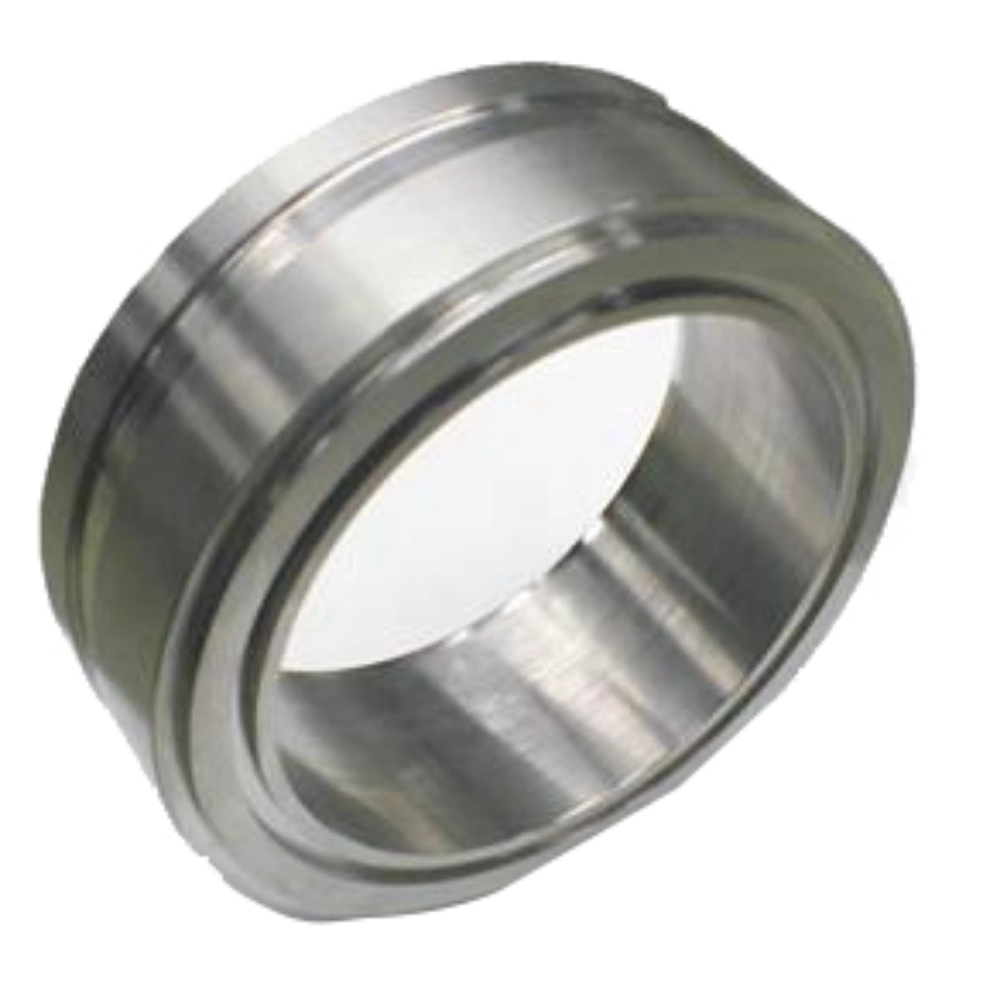
Why Iron-Based Hardfacing Matters for Casting Components
While casting provides shape and structural integrity, it does not always offer sufficient surface durability on its own. This is where iron-based hardfacing plays a critical role.
Iron-based hardfacing materials offer:
Improved abrasion resistance
Good impact toughness
Compatibility with cast iron and cast steel substrates
Cost-effective performance for large components
Kennametal Stellite specializes in iron-based hardfacing solutions that are commonly applied to casting components used in heavy industry, extending service intervals and reducing maintenance downtime.
Quality Considerations for Industrial Casting Components
The performance of casting components depends not only on design but also on manufacturing quality. Important factors include:
Proper material selection
Controlled casting processes
Heat treatment and stress relief
Surface preparation before hardfacing
Reliable suppliers ensure that castings meet dimensional, mechanical, and metallurgical requirements before any surface enhancement is applied.
Conclusion
Casting components are essential to the performance and reliability of industrial equipment. From machine housings and pump parts to wear liners and mining components, castings provide the structural base that allows equipment to operate under heavy loads and harsh conditions.
When combined with iron-based hardfacing materials from specialists like Kennametal Stellite, casting components can achieve significantly improved wear resistance and service life. Understanding the common types of casting components and their applications helps manufacturers and operators make informed decisions that improve efficiency and reduce long-term maintenance costs.
www.sh-stellite.com
Kennametal Stellite

 0
0
 0
0 


