In modern industrial and commercial facilities, access solutions are no longer just about opening and closing a doorway. Doors now play a direct role in workflow efficiency, safety management, environmental control, and long-term operating stability. Among the available options, the flexible lifting door has become a preferred choice for factories, logistics centers, workshops, and specialized production environments.
What Is a Flexible Lifting Door?
A flexible lifting door is a vertically operating industrial door made from high-strength flexible materials, typically reinforced PVC fabric or composite textiles. Unlike rigid sectional doors or steel roller doors, flexible lifting doors are designed to absorb impact, recover quickly, and operate at higher speeds.
These doors are commonly used in environments where frequent opening and closing is required, such as production lines, warehouse passages, clean workshops, and logistics transfer zones. Their flexibility allows them to reduce damage caused by accidental collisions while maintaining stable sealing and controlled access.
Why Flexible Lifting Doors Are Widely Used
The growing adoption of flexible lifting doors is driven by practical advantages rather than aesthetics. In real industrial operations, these doors help solve common challenges.
First, they improve traffic efficiency. High-speed operation reduces waiting time for forklifts, automated guided vehicles, and personnel. This directly supports smoother internal logistics.
Second, they enhance safety. The flexible curtain structure minimizes damage to equipment and vehicles in case of impact. Many systems also integrate safety sensors, soft bottom edges, and automatic stop or rebound functions.
Third, they support environmental control. Flexible lifting doors can help maintain internal temperature, reduce dust transfer, and separate different functional zones within the same facility.
Because of these benefits, flexible lifting doors are increasingly specified in modern industrial design standards.
Key Factors to Consider When Choosing a Flexible Lifting Door
Selecting the right door starts with understanding how it will be used. The following factors should be evaluated carefully.
Operating Frequency and Speed Requirements
One of the most important considerations is how often the door will operate each day. In high-traffic areas, such as logistics corridors or production line interfaces, the door must withstand frequent cycles without performance degradation.
A flexible lifting door designed for intensive use should feature a stable drive system, reinforced lifting belts, and reliable control components. High-speed operation not only improves efficiency but also reduces air exchange between zones.
Door Size and Structural Compatibility
Door opening dimensions directly affect design selection. Wider or taller openings require stronger structural support and precise tension control to ensure smooth lifting and lowering.
It is also important to assess whether the building structure can accommodate the door frame, guide rails, and control units. Proper installation alignment is critical to long-term reliability.
Material Selection and Durability
The curtain material is the core functional element of a flexible lifting door. Industrial-grade fabrics should offer high tear resistance, abrasion resistance, and stable performance under temperature variation.
For environments exposed to dust, oil mist, or chemical vapors, material selection becomes even more critical. Reinforced transparent windows are often added to improve visibility and operational safety.
Environmental and Application Conditions
Different industries impose different demands. For example:
Manufacturing plants may prioritize durability and impact resistance
Food and clean workshops require easy-to-clean surfaces and good sealing
Warehouses focus on speed, reliability, and low maintenance
Understanding the specific operating environment ensures that the selected door performs consistently over time.
Control System and Automation Integration
Modern facilities increasingly rely on automation. Flexible lifting doors should be compatible with sensors, access control systems, conveyor signals, or building management systems.
Common activation methods include radar sensors, pull cords, remote controls, and interlock systems. A flexible control configuration allows the door to adapt to changing operational requirements.
Maintenance and Long-Term Reliability
While flexible lifting doors are designed for durability, long-term performance depends on proper design and support. A well-engineered system minimizes wear points and simplifies maintenance procedures.
Key aspects that contribute to reliability include:
Stable motor and transmission systems
Accurate guide rail alignment
Replaceable curtain panels
Clear fault diagnostics
Choosing a manufacturer with technical expertise and service capability helps reduce downtime and ensures consistent operation throughout the product lifecycle.
Common Mistakes in Door Selection
One frequent mistake is choosing a door solely based on size or basic specifications. This often leads to mismatched performance, premature wear, or operational inconvenience.
Another common issue is overlooking installation conditions. Even a high-quality flexible lifting door can underperform if installed without proper structural assessment or alignment.
Finally, underestimating future production expansion can result in doors that no longer meet capacity requirements. A scalable design is often a better long-term solution.
Why Manufacturer Expertise Matters
Flexible lifting doors are not standardized commodities. Design details, material quality, and system integration vary significantly between suppliers.
Dexin Door Industry focuses on flexible lifting door solutions designed for real industrial environments. By understanding application scenarios and usage patterns, the company provides systems that balance performance, safety, and durability.
For more details on product structure and application options, you can refer to this flexible lifting door solution:
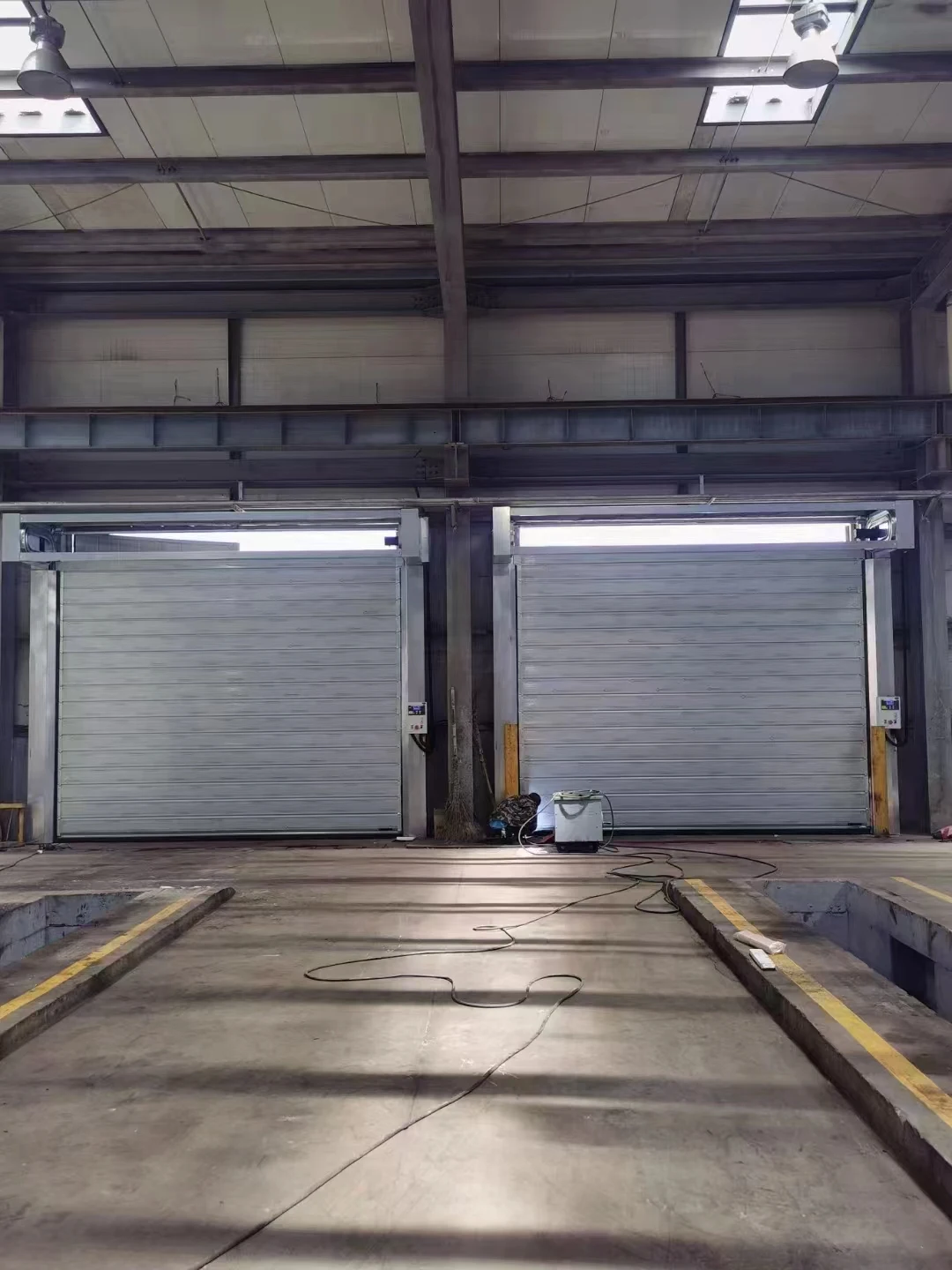
Working with an experienced manufacturer ensures that door selection is based on operational reality rather than generic catalog data.
Matching the Door to Your Industry
Different industries benefit from flexible lifting doors in different ways.
In logistics and warehousing, fast operation reduces congestion and supports efficient material flow.
In manufacturing, flexible lifting doors help separate work zones while maintaining visibility and safety.
In commercial facilities, they contribute to clean layout management and controlled access without heavy structural modifications.
Selecting a door that aligns with industry-specific needs improves both daily operation and long-term asset value.
Conclusion
Choosing the right flexible lifting door for industrial and commercial use requires more than comparing basic specifications. It involves understanding operating frequency, environmental conditions, material performance, and system integration.
A well-selected flexible lifting door improves efficiency, reduces damage risk, supports safety management, and adapts to modern automated workflows. By working with a professional manufacturer like Dexin Door Industry, businesses can ensure that their access solutions deliver consistent, reliable performance in real-world conditions.
www.dx-door.com
Dexin Door Industry

 0
0
 0
0 


