
 admin
In the world of textile manufacturing, precision and control are paramount. Ensuring that materials maintain optimal moisture levels is crucial for quality assurance, production efficiency, and the overall performance of the final product. This is where textile moisture meters come into play. These instruments are designed to measure the moisture content in fabrics accurately, enabling manufacturers to make informed decisions that enhance their production processes.
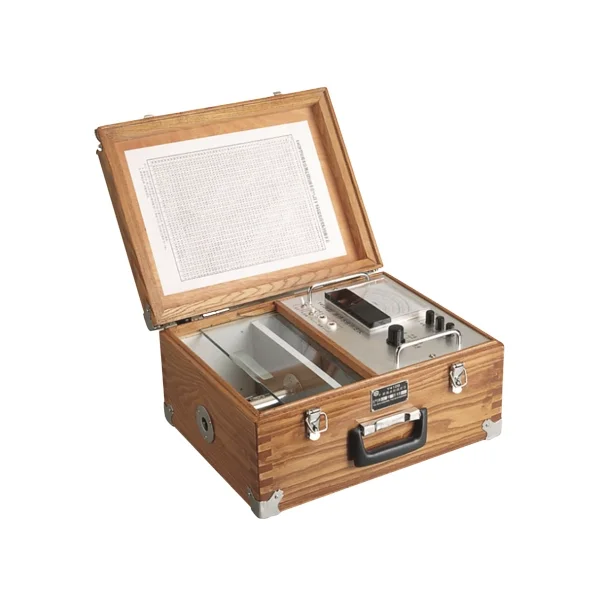
Understanding Textile Moisture Meters
Textile moisture meters utilize various technologies to measure the moisture content within fabrics. These technologies include electrical resistance, capacitance, microwave, and infrared methods. Each method has its unique advantages and is suitable for different types of textiles and production environments.
1. Electrical Resistance Method: This method measures the change in electrical resistance of the fabric as moisture content varies. Moisture acts as a conductor, altering the resistance of the fabric, which can be measured and correlated to moisture content.
2. Capacitance Method: In this method, the fabric is treated as a dielectric material. As moisture content changes, the capacitance of the fabric changes, allowing for accurate moisture measurement.
3. Microwave Method: Microwave technology sends electromagnetic waves through the fabric, and the reflection and absorption patterns are analyzed to determine moisture content.
4. Infrared Method: Infrared sensors measure the absorption of infrared radiation by the fabric, which is influenced by moisture levels.
These meters are typically handheld or benchtop devices, offering ease of use and versatility across various stages of production.
How Textile Moisture Meters Work
The core functionality of textile moisture meters revolves around their ability to sense and interpret changes in the fabric's properties due to moisture content. Here's a simplified breakdown of the process:
1. Sample Preparation: A representative sample of the fabric is taken and prepared for measurement. This may involve cutting a small piece or using a specialized sampling tool.
2. Measurement Setup: The fabric sample is placed in or on the moisture meter, depending on the instrument's design. The appropriate measurement mode or setting is selected based on the fabric type and the desired accuracy.
3. Data Collection: The meter applies the chosen measurement technology to the sample. This involves sending signals through the fabric and collecting data on how these signals are affected by moisture.
4. Analysis and Display: The collected data is processed by the meter's internal algorithms to calculate the moisture content. The result is displayed on a digital screen, often accompanied by additional information such as temperature and humidity.
When it comes to textile moisture meters, Ningbo Textile Instrument Factory stands out as a leading manufacturer, offering a range of high-quality, reliable instruments tailored to the needs of the textile industry. Here are some of the key selling points of Ningbo Textile Instrument Factory:
Advanced Technology
Ningbo Textile Instrument Factory employs the latest technologies in the design and manufacturing of its moisture meters. This ensures that their instruments offer unparalleled accuracy and precision in moisture measurement, even in challenging environments.
Versatility and Customization
Understanding that no two textile manufacturing processes are identical, Ningbo Textile Instrument Factory offers a versatile range of moisture meters. From handheld devices for quick spot checks to advanced benchtop systems for detailed analysis, their instruments cater to various needs. Furthermore, customization options allow manufacturers to tailor the meters to their specific requirements.
User-Friendly Design
Ease of use is a top priority at Ningbo Textile Instrument Factory. Their moisture meters feature intuitive interfaces and straightforward operation procedures, minimizing the learning curve for operators. This ensures that even those with limited technical expertise can use the meters effectively.
Robust Construction
Durability is crucial in industrial settings. Ningbo Textile Instrument Factory's moisture meters are built to withstand the rigors of daily use, ensuring long-term reliability and minimizing downtime.
Comprehensive Support
Beyond the product itself, Ningbo Textile Instrument Factory provides comprehensive support services. This includes technical assistance, training, and after-sales support, ensuring that customers can maximize the performance of their instruments and address any issues promptly.
Conclusion
Textile moisture meters are indispensable tools in the textile manufacturing industry, enabling manufacturers to maintain optimal moisture levels in their materials. Ningbo Textile Instrument Factory, with its advanced technology, versatility, user-friendly design, robust construction, and comprehensive support, stands out as a trusted partner in providing high-quality moisture meters. By choosing Ningbo Textile Instrument Factory, textile manufacturers can ensure the precision and control necessary to produce high-quality products efficiently.
https://www.nbfyti.com/learn-more-about-textile-moisture-meters-and-how-they-work.html
www.nbfyti.com
Ningbo Textile Instrument Factory