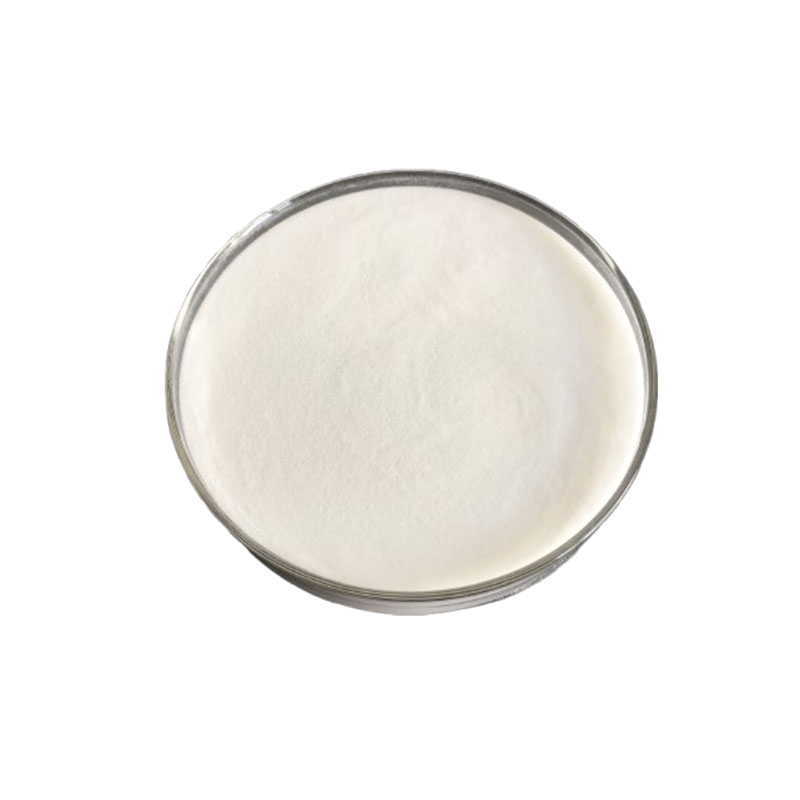
Glass bubbles are lightweight hollow microspheres used as functional fillers in a variety of industrial materials. Their low density, spherical structure, chemical resistance, and compressive strength make them suitable for applications in oilfield operations, marine engineering, offshore structures, and ship maintenance.
When selecting oilfield glass bubbles or glass bubbles for marine applications, it is important to match the grade to the material formulation and operating environment. Density, crush strength, particle size, and application method are key factors to consider when evaluating different grades.
Choosing Glass Bubbles for Oilfield, Marine, and Ship Maintenance Applications
Consider the Required Material Density
One of the main advantages of glass bubbles is their low density. These hollow glass microspheres can reduce the overall weight of a formulated material while helping maintain the physical properties required for its intended application.
For oilfield and marine applications, density selection should be based on the desired weight reduction and the performance requirements of the finished material. Lower-density glass bubbles may be suitable when minimizing weight is the primary objective, while other grades may be more appropriate when greater compressive strength or specific processing characteristics are required.
When selecting glass bubbles for ship maintenance, coatings, and composite systems, manufacturers should consider how the filler density affects the overall formulation, including its weight, mechanical performance, and processing behavior.
Match Crush Strength to Operating Conditions
Oilfield and offshore applications can expose materials to considerable pressure. Marine maintenance materials may also need to withstand mechanical loads, handling stresses, and demanding service conditions.
Crush strength should therefore be evaluated alongside density. A glass bubble grade with higher compressive strength may be appropriate when the finished material needs to withstand greater pressure during processing or service.
For example, glass bubbles used in syntactic foam and buoyancy-related structures must provide a suitable balance between low density and sufficient strength for the intended operating environment.
When comparing grades, manufacturers should consider both the expected service conditions and the pressure the microspheres may encounter during mixing, processing, and application. Selecting an appropriate crush strength helps reduce the risk of microsphere breakage and supports more consistent material performance.
Select the Appropriate Particle Size
Particle size influences how glass bubbles disperse and integrate into a resin, coating, composite, or other formulated material.
The appropriate particle size depends on several factors, including:
Type of matrix material
Required surface finish
Processing and application methods
Filler loading
Desired mechanical properties
Thickness of the finished material
For marine coatings and ship maintenance materials, particle size should be compatible with the coating formulation and application process. A suitable particle size distribution can support more consistent dispersion and help manufacturers achieve the required material characteristics.
Particle size should also be evaluated in relation to the mixing equipment and processing conditions to help minimize unnecessary damage to the hollow microspheres.
Evaluate Chemical Resistance
Oilfield and marine environments can involve exposure to water, salt, chemicals, hydrocarbons, and other potentially aggressive substances. Materials used in these conditions must therefore be selected with appropriate chemical compatibility and environmental durability in mind.
Glass bubbles can serve as functional fillers in formulations designed for demanding industrial environments. When choosing oilfield glass bubbles, manufacturers should evaluate compatibility between the glass bubbles, the resin or binder, and the substances encountered during service.
For ship maintenance applications, this consideration is particularly relevant when glass bubbles are incorporated into protective coatings, repair compounds, or composite materials exposed to marine conditions.
The performance of the finished material depends on the complete formulation, so compatibility should be assessed under conditions representative of the intended application.
Consider the Final Application
The most suitable glass bubble grade depends on how the finished material will be used. Oilfield, marine engineering, offshore, and ship maintenance applications can have different requirements for density, pressure resistance, processing, and durability.
Oilfield Applications
In oilfield-related applications, glass bubbles can be incorporated into lightweight materials and specialty formulations where reducing material density is important.
Pressure requirements should be carefully evaluated when selecting a grade for oilfield service. The chosen microspheres should provide a suitable balance between density reduction and compressive strength for the intended formulation and operating conditions.
Marine and Offshore Engineering
Marine and offshore engineering projects often require lightweight materials with appropriate mechanical properties and environmental resistance.
Glass bubbles may be used in syntactic foam, buoyancy structures, composite materials, and other engineered systems. Their hollow structure can help reduce material density, while grade selection determines the balance of properties available for the finished product.
Manufacturers should consider the expected pressure, exposure conditions, and structural requirements when selecting glass bubbles for these applications.
Ship Maintenance
For ship maintenance, glass bubbles can be considered as lightweight fillers in suitable coatings, composites, and repair materials.
Their low density can help reduce the weight contribution of the filler, while their spherical structure supports incorporation into compatible formulations. Depending on the application, glass bubbles may be evaluated for protective coating systems, lightweight repair compounds, and other maintenance materials.
The final selection should account for coating thickness, surface finish, application method, adhesion requirements, and expected service conditions.
Balance Lightweighting and Performance
Choosing glass bubbles is not simply a matter of selecting the lowest-density grade available. The finished material must achieve a practical balance between weight reduction, compressive strength, processing characteristics, and environmental resistance.
A lower-density grade may be attractive when lightweighting is the primary goal. However, an application involving pressure or mechanical stress may require a grade
www.shsnovi.com
Shanghai Snovi Enterprise