
 admin
Introduction to Cold Extrusion Process
The cold extrusion process is a pivotal manufacturing technique widely employed in industries requiring high-precision, high-strength metal components. Unlike hot extrusion, where the material is pre-heated, cold extrusion involves the deformation of metal at or near room temperature. This process significantly enhances the mechanical properties of the final product while minimizing material waste, making it both cost-effective and environmentally friendly.
Cold extrusion is particularly suited for creating complex geometries in automotive, aerospace, and consumer goods industries. Components such as shafts, gears, fasteners, and valves are commonly produced using this method. As industries demand ever-tighter tolerances and superior surface finishes, understanding the nuances of the cold extrusion process becomes essential. In this blog post, as a professional parts automation processing service provider, Okin will share the fundamental principles, suitable materials, advantages, and applications of high precision cold extrusion process.
High Precision Cold Extrusion Process Fundamental Principles
At its core, the cold extrusion process relies on applying compressive forces to plastically deform a metal blank within a die cavity. The key distinguishing factor is that this deformation occurs without significant heat input, preserving the base material's original microstructure and often enhancing it due to strain hardening.
Basic elements of the process include:
– Blank (Slug): The raw material, typically a cylindrical metal piece.
– Die: The mold that dictates the final geometry of the product.
– Punch: The tool that pushes the blank into the die.
– Lubricant: A critical intermediary that reduces friction and prevents galling or seizure during extrusion.
Process can be divided into three categories depending on material flow:
1. Forward extrusion – The material flows in the same direction as the punch.
2. Backward extrusion – The material flows in the opposite direction to the punch.
3. Combined extrusion – A hybrid process where both forward and backward flows occur simultaneously.
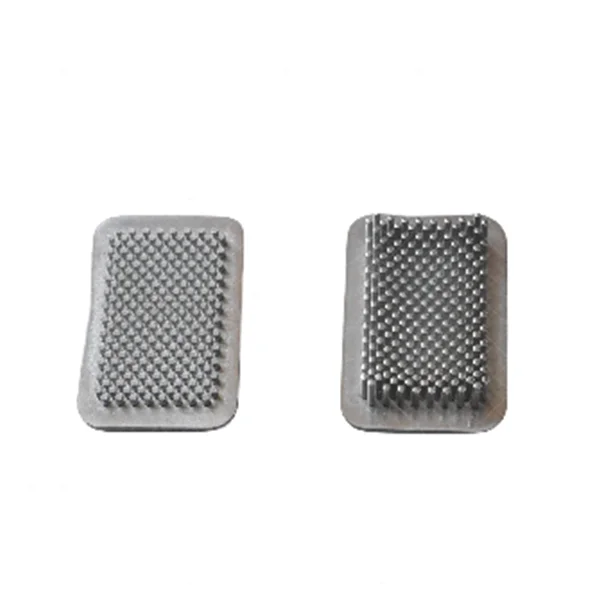
Materials Suitable for Precision Cold Extrusion Process
Not all materials are suitable for cold extrusion. The process is best suited for metals with high ductility and low yield strength at room temperature. Commonly used materials include:
– Aluminum and its alloys: Lightweight, excellent corrosion resistance, and easy to extrude.
– Copper and brass: Good electrical conductivity, often used for electrical components.
– Steel (low-carbon and alloy): Used in high-strength applications; may require pre-lubrication or annealing.
– Stainless steel: Used when corrosion resistance is critical; more difficult to extrude due to higher work hardening.
Proper material selection is crucial to ensure formability, minimize die wear, and achieve the desired mechanical properties in the final product.
Step-by-Step Breakdown of High Precision Cold Extrusion Process
1. Preparation of the Blank
The metal slug is cut to the required dimensions. Surface treatment, such as cleaning and phosphate coating, is often performed to facilitate lubrication.
2. Application of Lubricant
The blank is coated with a high-performance lubricant to reduce die wear, lower friction, and allow smooth material flow during extrusion.
3. Positioning in the Die
The prepared slug is inserted into a die cavity, which is precision-machined to the shape of the final part.
4. Extrusion Operation
A punch applies high pressure (ranging from 100 MPa to over 1000 MPa) to the blank. Depending on the die configuration, the material flows forward, backward, or in both directions.
5. Ejection and Trimming
After forming, the part is ejected from the die. Flash or excess material is trimmed, and further processing such as machining or heat treatment may follow.
Advantages of High Precision Cold Extrusion Process
The cold extrusion process offers several technical and economic advantages:
– Material Savings: High material utilization efficiency, with near-net-shape capabilities.
– Improved Mechanical Properties: Work hardening increases strength and fatigue resistance.
– Superior Surface Finish: Smooth surface finish eliminates the need for extensive machining.
– Dimensional Accuracy: Excellent control over tolerances.
– High Production Rates: Automated presses and tool designs support mass production.
These benefits make cold extrusion highly suitable for the production of precision-engineered parts in high volumes.
Applications of Precision Cold Extrusion Process in Industry
Cold extrusion finds applications across a wide range of sectors:
– Automotive: Production of transmission shafts, gear blanks, bearing races, and fasteners.
– Aerospace: Structural components, lightweight connectors, and fittings.
– Electrical: Contact pins, switch parts, and connectors due to excellent conductivity.
– Consumer Goods: Handles, knobs, and other ergonomic components.
With the growing emphasis on lightweighting and precision, cold extrusion continues to evolve and expand its industrial footprint.
Conclusion
The cold extrusion process is a sophisticated, efficient, and highly repeatable method for producing complex metal components with exceptional mechanical properties and minimal waste. By leveraging advancements in materials, tooling, and digital simulation, manufacturers can further enhance the benefits of cold extrusion while overcoming traditional limitations.
Whether you're a design engineer, production manager, or a materials specialist, a solid understanding of the cold extrusion process is invaluable in today's competitive manufacturing landscape. As demand for high-performance, precision parts continues to grow, cold extrusion remains a cornerstone technology that promises continued relevance and innovation in the years to come.
www.okinmachining.com
Okin