
Pickleball has exploded from a backyard pastime into one of the world’s fastest-growing competitive racquet sports. As the game evolves, so too does the technology behind the equipment — especially carbon fiber pickleball paddles, which are consistently chosen by players who want power, responsiveness, and precision in every hit.
Whether you’re a weekend warrior or aspiring pro, understanding how these paddles are made and how they perform can take your game to the next level.
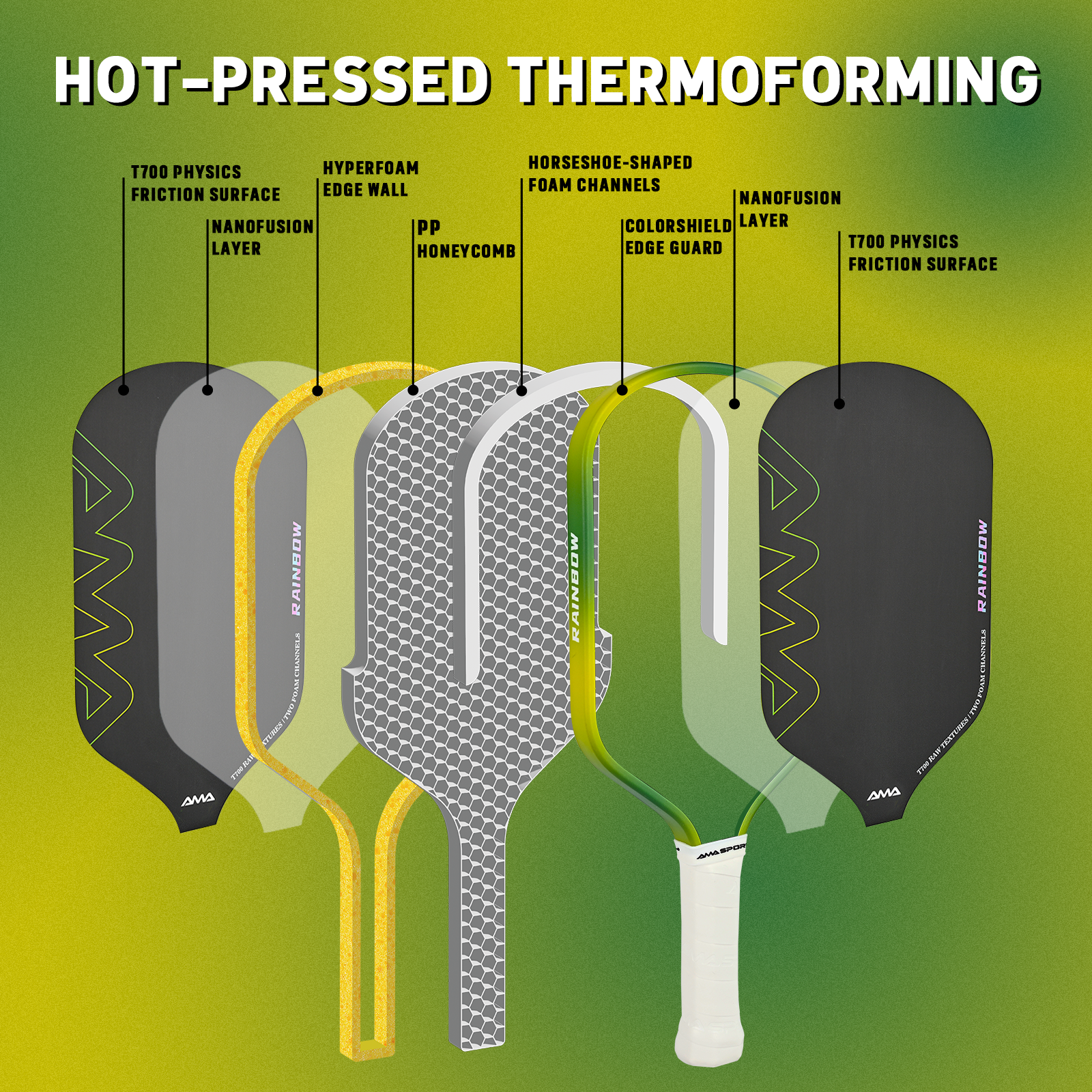
The Science Behind Carbon Fiber Pickleball Paddles
Carbon fiber isn’t just a buzzword — it’s a high-performance engineering material used in aerospace, automotive, and advanced sporting goods for good reason. In pickleball, carbon fiber paddles are prized for their strength-to-weight ratio, meaning they stay lightweight without sacrificing durability or performance. Here’s how the components come together:
Carbon Fiber Faces: These stiff surfaces deliver excellent power and ball transfer, resulting in solid, consistent shots.
Polymer/Honeycomb Cores: The internal core — often polypropylene or foam — influences sweet spot size, feel, and vibration dampening.
Thermoforming & Unibody Construction: Many paddles fuse layers under heat and pressure for enhanced durability and uniform performance.
This combination creates paddles that feel light in hand but robust under pressure, enabling players to react quickly at the net and drive deep returns from the baseline.
Why Carbon Fiber Paddles Matter on the Court
Switching to a carbon fiber paddle can transform how you play — here’s why:
1. Lightweight but Durable
Carbon fiber paddles are easier to maneuver, which reduces arm fatigue and makes fast exchanges feel effortless. They also stand up well to wear, resisting dents and warping over time.
2. Power Meets Precision
The stiffness of carbon enhances energy transfer during each hit, giving your shots extra pop without losing control. Whether you’re driving deep or dropping soft, you’ll notice a difference.
3. Better Ball Control & Spin
Many players also appreciate carbon’s textured surfaces — they provide grip on the ball, allowing for added spin and finesse in dinks or angled placements.
4. Reduced Shock & Enhanced Comfort
With superior vibration dampening, carbon paddles are easier on your arm — a big plus during extended matches or tournament play.
Top Carbon Fiber Pickleball Paddles for Every Player
Whether you’re just stepping up your game or already competing, AMA SPORT offers a range of quality options built on years of composite racquet manufacturing expertise. AMA Sport Explore more at AMA SPORT’s product lineup: https://www.amasport.com/Pickleball.
Player Tips for Choosing the Right Paddle
1. Beginners: Go for slightly heavier paddles with larger sweet spots to build confidence.
2. Intermediate Players: Mid-weight carbon paddles offer balanced power and finesse.
3. Advanced Players: Lightweight T700 or higher carbon fiber gives quick reactions and precise control.
China Modal Fabric Clothing Manufacturer: Gentle Skin Care
 admin
- November 20, 2026
Why Modal Fabric Matters for Comfort-Driven Apparel Buyers For retailers and brand owners searching for a China modal fabric clothing manufacturer, the core question is usually the same: can a…
ISO 21898:2024: Updated International Guidance for FIBC Packaging
- admin
- November 17, 2026
What the standard covers ISO 21898:2024 applies to FIBCs intended for non-dangerous solid materials in powder, granular or paste form, and designed to be lifted from above through integral or…
China Modal Fabric Clothing Manufacturer: Gentle Skin Care
- November 20, 2026
Why Modal Fabric Matters for Comfort-Driven Apparel Buyers For retailers and brand owners searching for a China modal fabric clothing manufacturer, the core question is usually the same: can a…
ISO 21898:2024: Updated International Guidance for FIBC Packaging
- November 17, 2026
What the standard covers ISO 21898:2024 applies to FIBCs intended for non-dangerous solid materials in powder, granular or paste form, and designed to be lifted from above through integral or…