 admin
Anyone speccing a VR headset for the next generation of consumer hardware eventually runs into the same fork in the road: stick with multi-lens refractive optics or move to single-lens pancake designs. Both approaches claim to solve the same problem, but the trade-offs aren’t always obvious until you look at the numbers side by side.
Refractive stacks with multiple lens elements tend to be the more conservative choice. They’re well understood, distortion can be pushed below 1 percent on some configurations, and diopter correction across a wide range (commonly -12D to +5D in current catalogs) is achievable without exotic tooling. The downside is bulk — these modules generally need more depth to achieve that correction, which works against the “thin and light” pitch most 2026 consumer devices are chasing.
Pancake optics flip that equation. A single-lens pancake module can get overall engine thickness down to roughly 22mm and total weight including housing into the 80-90g range, which matters a lot for anything marketed as all-day wearable. But some pancake variants trade distortion for that compactness — figures in public specs range from under 1% up to nearly 5% depending on FOV target, and wider FOV versions (85-96 degrees) tend to land at the higher end of that distortion range.
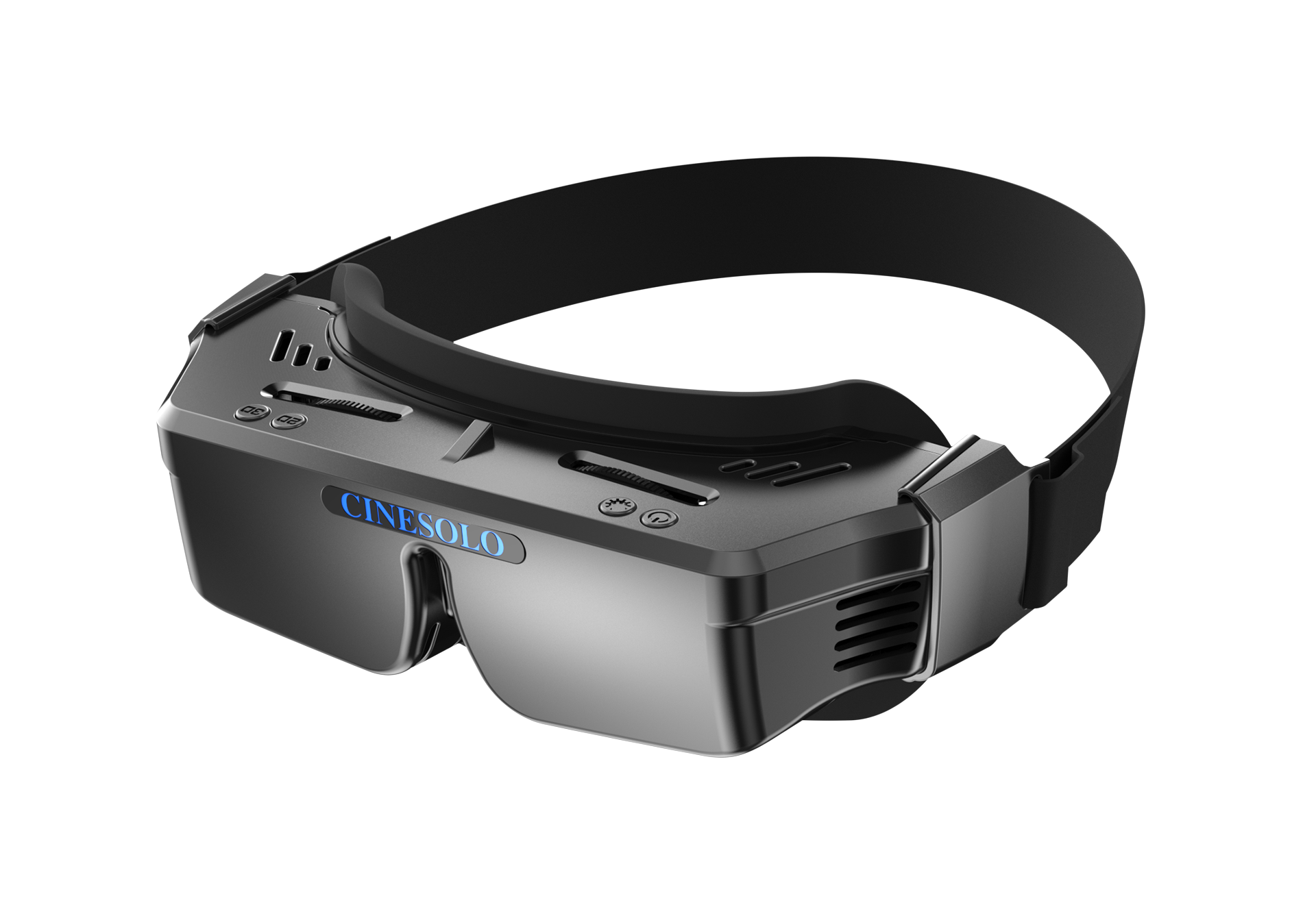
So the real question for anyone building or buying into this category: at what point does the weight/thickness saving from pancake optics stop being worth the distortion trade-off, and does that threshold change depending on whether the device is meant for short casual sessions versus extended use? Curious how people weigh that calculation when FOV and IPD adjustability (55-70mm seems to be the common range) are also part of the spec sheet.
If you want to learn more about VR, you can visit the following link for more information: https://youtu.be/TS_CBq388nU
https://en.led3d.com/
TOPLITE