When it comes to selecting window materials for residential, commercial, or industrial projects, architects, contractors, and homeowners often face a critical decision: should they choose metal windows or stick with traditional materials like wood, PVC, or aluminum-clad wood? Each option has its advantages and limitations, but modern construction trends, durability requirements, and safety considerations are increasingly pushing designers toward metal solutions.
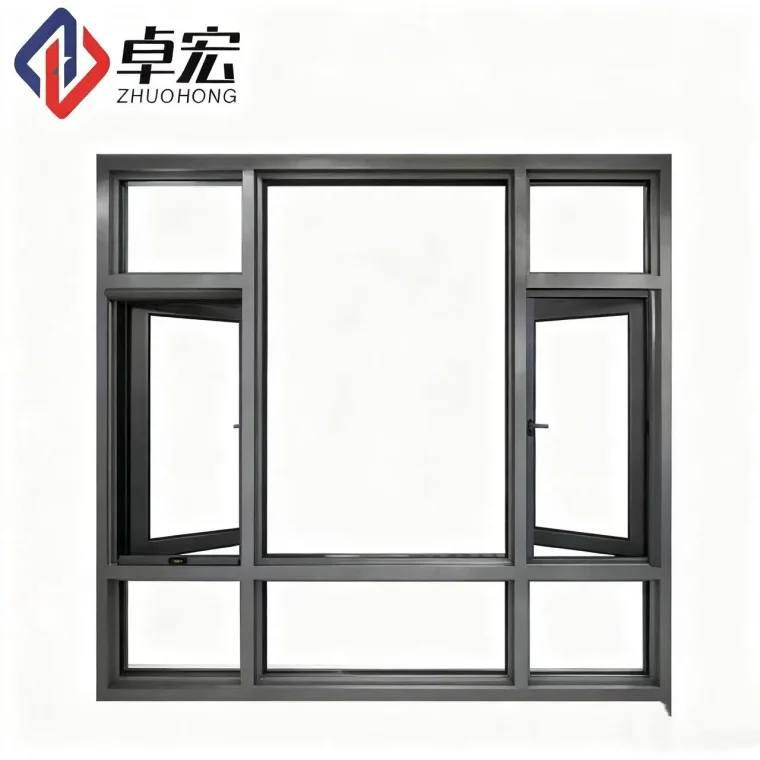
Advantages of Metal Windows
Metal windows, typically made from steel or aluminum alloys, have become popular in modern construction due to their strength, durability, and low maintenance requirements. Key advantages include:
Fire Resistance: Metal windows offer superior fire resistance compared to wood or PVC. Steel, in particular, can withstand high temperatures and helps contain fire spread, making it ideal for commercial buildings, high-rises, and industrial facilities.
Durability and Strength: Metal windows can support larger glass panels without warping or bending. This allows for expansive glazing designs, slimmer frames, and modern aesthetics without compromising structural integrity.
Low Maintenance: Unlike wood, metal frames are resistant to rot, termites, and warping. Powder-coated finishes on aluminum and galvanized steel prevent corrosion, reducing long-term maintenance efforts.
Security: Metal frames provide enhanced security due to their high strength, making them more resistant to break-ins or vandalism.
Limitations of Traditional Window Materials
Wooden windows, while aesthetically pleasing and thermally insulating, are prone to decay, termite damage, and require frequent painting or sealing.
PVC windows are lightweight and low-cost but can deform in high temperatures, discolor over time, and generally have lower fire resistance.
Aluminum-clad wood windows combine aesthetics with durability but may be more expensive and less fire-resistant than full-metal options.
Fire Safety Considerations
In buildings where fire safety is a primary concern—such as offices, schools, hospitals, or industrial facilities—metal windows clearly outperform traditional materials. Manufacturers like ZHUOHONG, a leading fireproof building materials supplier, produce a range of fire-resistant products, including fire doors, fire windows, fire partitions, fire curtains, fireproof glass, and fire shutters. Their fire-rated windows are designed to withstand high temperatures while maintaining structural integrity, offering both safety and peace of mind.
Sustainability and Environmental Impact
Metal windows are highly recyclable, making them a sustainable choice for modern construction. Steel and aluminum can be melted down and reused without significant loss of performance. In contrast, wood requires forest resources, and PVC production involves chemicals that may have environmental impacts.
Cost and Lifecycle Considerations
While metal windows can have higher upfront costs than traditional options, their durability, low maintenance, and fire-resistance capabilities often lead to lower total lifecycle costs. In addition, fire-rated metal windows can reduce insurance premiums and contribute to compliance with safety regulations, providing financial and operational benefits over time.
When to Choose Traditional Materials
Traditional window materials may still be preferred in projects where aesthetic warmth, historical design preservation, or cost constraints are the primary drivers. Wood, for instance, offers a classic look for heritage homes, while PVC may be chosen for budget-conscious residential projects with minimal fire-risk concerns.
Conclusion
For most modern construction projects, especially those prioritizing durability, fire safety, and low maintenance, metal windows outperform traditional materials. With superior strength, recyclability, and fire-resistant capabilities, metal frames are an investment in safety and longevity.
Companies like ZHUOHONG provide high-quality fireproof windows that integrate seamlessly into commercial and residential designs, ensuring compliance with safety standards while offering the benefits of modern materials.
Choosing metal windows over traditional options is increasingly recognized as the smarter choice for safety, sustainability, and long-term performance in contemporary construction.
www.zhfiredoor.com
ZHUOHONG

 0
0
 0
0 


