
 admin
Protocatechuic acid (PCA) is a naturally occurring phenolic compound found in a variety of plants and has been extensively studied for its health benefits. In the realm of animal nutrition, PCA powder has emerged as a promising feed additive with the potential to enhance animal health, improve feed efficiency, and support sustainable livestock production. In this blog post, Viablife will share with you the various applications of PCA powder in animal feed additives.
Chemical Structure and Properties of Protocatechuic Acid
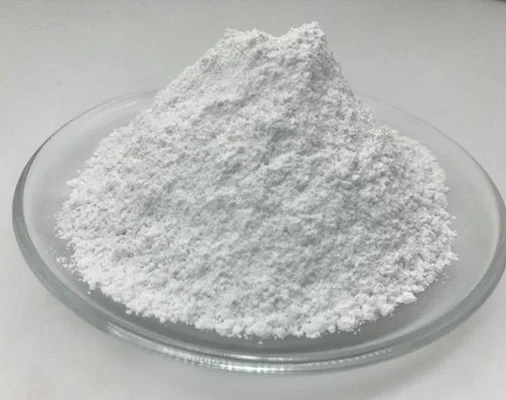
Protocatechuic acid is a type of polyphenol with the chemical formula C7H6O5. It is a pale yellow crystalline solid that is soluble in water, ethanol, and methanol. PCA is characterized by its antioxidant, anti-inflammatory, and antimicrobial properties, which make it an ideal candidate for use in animal feed additives.
Mechanisms of Action
1. Antioxidant Activity: PCA's antioxidant properties help to neutralize free radicals in animal tissues, reducing oxidative stress and protecting against cellular damage. This is particularly important in livestock, where oxidative stress can lead to reduced growth performance and increased susceptibility to diseases.
2. Anti-Inflammatory Effects: PCA has been shown to modulate inflammatory responses by inhibiting the production of pro-inflammatory cytokines. This can help in managing inflammatory conditions in animals and improving overall health.
3. Immune System Support: By enhancing the immune response, PCA can help animals fight off infections more effectively. It can also support the immune system by promoting the production of antibodies and activating immune cells.
4. Antimicrobial Properties: PCA exhibits antimicrobial activity against a range of pathogens, which can help in reducing the need for antibiotics in animal feed, thereby contributing to the development of antibiotic-resistant strains.
Applications in Animal Feed Additives
1. Growth Promotion: PCA powder can be used to improve growth rates in animals by enhancing nutrient absorption and utilization. It can also promote muscle growth and reduce fat deposition, leading to better feed conversion ratios.
2. Disease Prevention: By strengthening the immune system and providing antimicrobial properties, PCA can help prevent various diseases in animals, reducing the need for prophylactic antibiotics.
3. Feed Efficiency: The inclusion of PCA in animal feed can improve feed efficiency by reducing the energy required for digestion and absorption, allowing more energy to be directed towards growth and maintenance.
4. Anti-Oxidative Stress: PCA can help mitigate the effects of oxidative stress in animals, which can be caused by various factors such as high environmental temperatures, poor nutrition, or disease.
5. Enhanced Meat Quality: Studies have shown that PCA supplementation can improve meat quality by reducing lipid oxidation and maintaining the freshness of meat products.
6. Environmental Benefits: As a natural alternative to synthetic antioxidants and antimicrobial agents, PCA can help reduce the environmental impact of livestock production.
Dosage and Administration
The dosage of PCA powder in animal feed will depend on various factors, including the species of animal, age, health status, and the desired outcomes. It is essential to conduct trials to determine the optimal dosage for specific applications. Administration should be done in a manner that ensures even distribution throughout the feed.
Conclusion
Protocatechuic acid powder, with its multifaceted benefits, is a valuable addition to the field of animal feed additives. Its ability to enhance growth, improve feed efficiency, support the immune system, and contribute to disease prevention makes it a compelling option for the livestock industry. As research continues to uncover more about PCA's potential, it is likely to play an increasingly important role in sustainable and health-focused animal production practices.
High Quality Protocatechuic Acid Supplier – Viablife
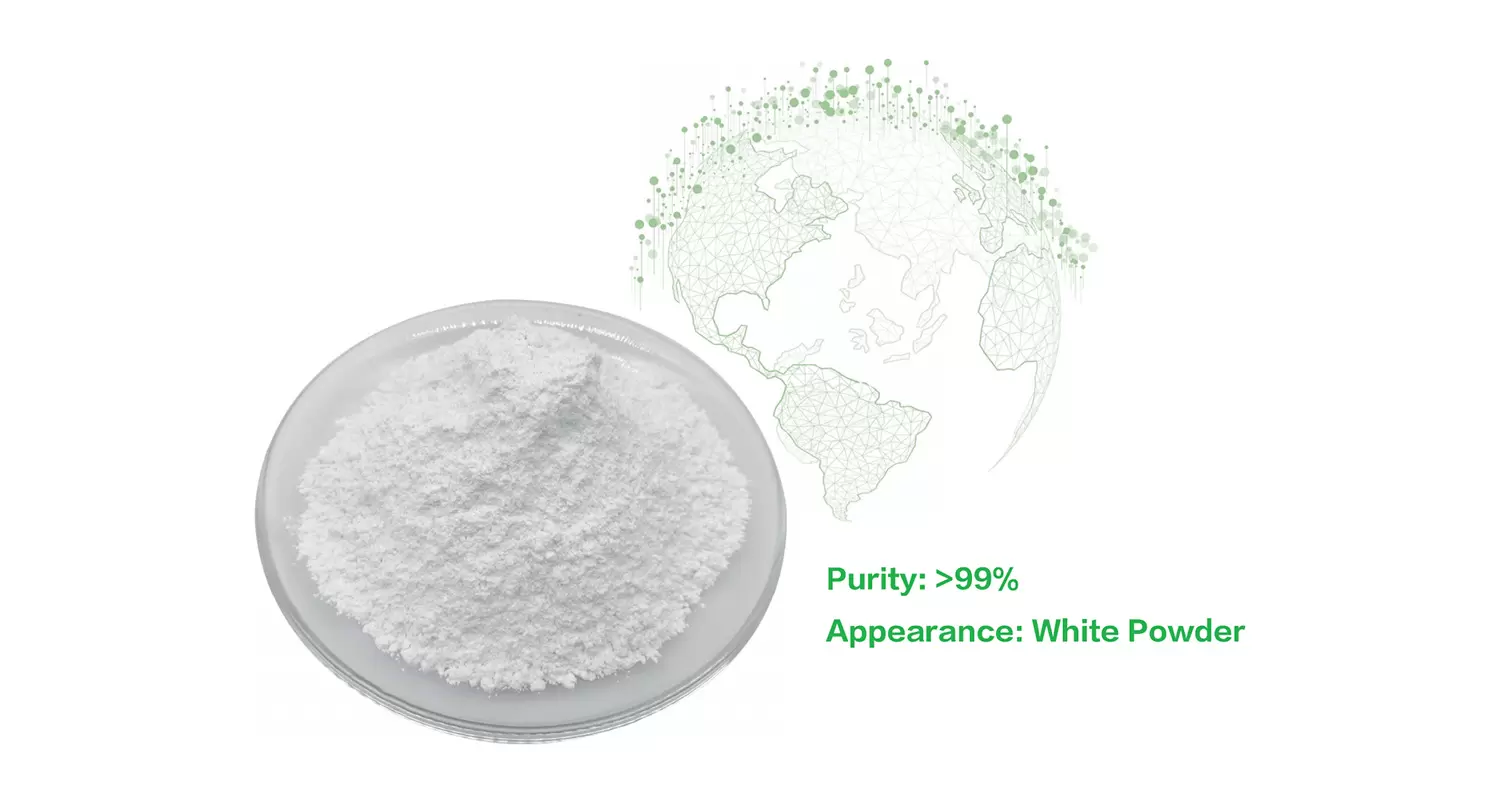
Viablife's Protocatechuic Acid embodies excellence, characterized by pristine white powder morphology, unparalleled purity, and optimal particle size distribution. Leveraging cutting-edge biosynthetic processes, Viablife ensures minimal impurities, enhancing fluidity and dissolution characteristics. We welcome inquiries regarding our pharmaceutical intermediates, anticipating mutually rewarding collaborations.
Related Suggestions:
Viablife
info@viablife.com