
 admin
In modern industrial manufacturing—especially in the field of new energy and lithium battery production—efficiency, precision, and sustainability are vital. One of the often-overlooked but critical pieces of equipment in this process is the copper dissolving tank. Designed to dissolve copper into a liquid solution used in various stages of battery material preparation, this equipment plays a central role in maintaining the consistency and quality of production.
With the demand for high-performance lithium batteries on the rise, selecting the right copper dissolving tank is more than a matter of operational convenience—it directly impacts your productivity, material quality, and environmental footprint.
Enter Timonic, a specialized enterprise committed to the research, development, and manufacturing of advanced production equipment for new energy lithium battery materials. With years of technical expertise and industry insight, Timonic leads the way in developing high-efficiency copper dissolving systems tailored for the next generation of battery manufacturing.
Why Copper Dissolving Tanks Matter in Lithium Battery Production
Copper is a key material in the production of lithium batteries, especially in the creation of conductive coatings and current collectors. To prepare these coatings, copper must often be dissolved into a solution that can be precisely applied or reacted with other materials.
A high-efficiency copper dissolving tank ensures:
Uniform dissolution of copper
Controlled reaction conditions (temperature, flow, concentration)
Reduced energy consumption
Stable and safe operation
Minimized waste and emissions
These factors are particularly important when scaling up to industrial production levels, where even small inefficiencies can lead to significant material losses or product defects.
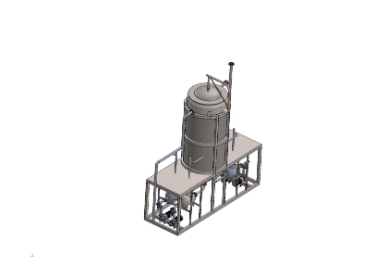
Key Features to Look for in a High-Efficiency Copper Dissolving Tank
1. High Corrosion Resistance
Since the tank will be dealing with aggressive chemical reactions (typically involving acid solutions and metal ions), materials like PTFE-lined steel, titanium, or high-grade stainless steel are essential for long-term durability and safety.
2. Precise Temperature and pH Control
To achieve consistent dissolution results, the tank must be equipped with advanced sensors and control systems. Automated monitoring of temperature, pH levels, and reaction time helps ensure the copper dissolves uniformly under optimal conditions.
3. High Mixing Efficiency
A reliable agitation or circulation system helps to prevent sedimentation and ensures copper is evenly dispersed in the solution. High-efficiency stirrers or ultrasonic systems can enhance reaction rates while reducing energy consumption.
4. Modular Design for Integration
In modern battery material production lines, seamless integration of equipment is crucial. A copper dissolving tank that features a modular, space-efficient design with standard connection ports is easier to install, maintain, and scale.
5. Safety and Environmental Compliance
Efficient exhaust treatment, sealed structures, and spill prevention features ensure compliance with increasingly strict environmental regulations. Look for systems that are designed with green manufacturing in mind.
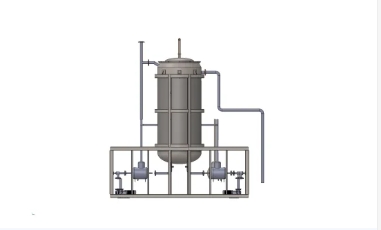
Timonic: Your Trusted Partner in Copper Dissolving Solutions
Timonic is a forward-thinking enterprise focused on developing equipment for new energy lithium battery material production. Backed by an experienced engineering team and an in-depth understanding of chemical processes, Timonic offers customized high-efficiency copper dissolving tanks tailored to the needs of advanced battery manufacturers.
Their dissolving tanks are:
Built with chemically resistant materials for long service life
Equipped with intelligent control systems for real-time process management
Optimized for low energy consumption and minimal waste
Designed to integrate seamlessly into modern automated production lines
Timonic’s solutions are widely used by leading lithium battery manufacturers and materials suppliers, making the company a preferred choice for reliable, high-performance equipment.
Final Thoughts
As battery technology continues to evolve, the demands on material production processes grow more complex. Choosing the right high-efficiency copper dissolving tank is essential to maintain product quality, reduce operating costs, and meet environmental standards.
With a proven track record in the new energy sector, Timonic provides not only equipment but also process expertise and technical support, helping manufacturers stay ahead in a highly competitive and rapidly advancing industry.
A Comprehensive Guide to Choosing the Right Copper Dissolving Tank
www.timonic.com.cn
Timonic (Suzhou) Technology Co., Ltd