
 admin
Why Spray Booths Are Essential for Modern Industrial Finishing?
In today’s competitive manufacturing environment, maintaining high-quality standards is no longer optional—it’s a necessity. One critical component that plays a vital role in achieving precision, consistency, and safety in the painting process is the spray booth.
What Is a Spray Booth?
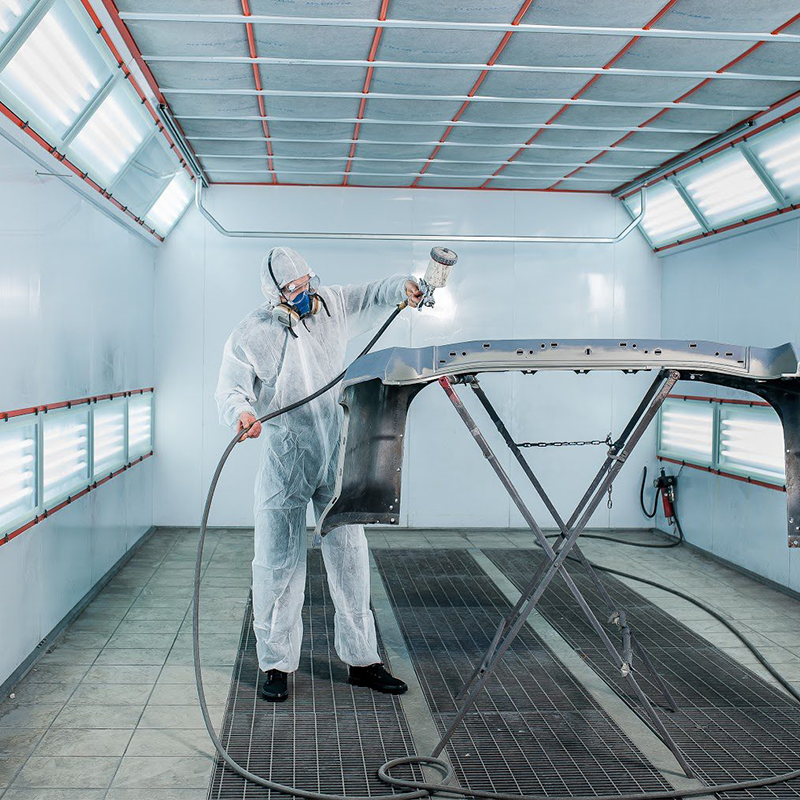
A spray booth is a controlled environment designed for painting vehicles, machinery, furniture, and other industrial components. It ensures that paint is applied smoothly and safely, without contamination from dust or debris. Spray booths also help in managing overspray, fumes, and harmful particles, providing a safer working environment and better-quality finishes.
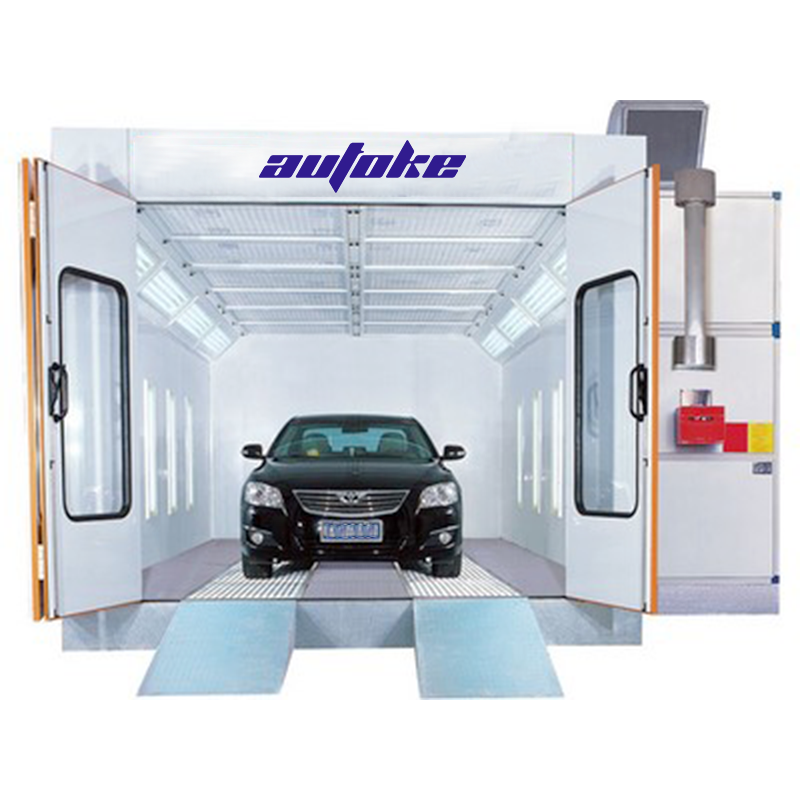
Key Benefits of Using a Spray Booth
Superior Finish Quality
Spray booths offer a dust-free, temperature-controlled, and ventilated environment that allows paint to cure properly. This results in a more uniform finish and enhances the durability and appearance of the final product.
Environmental Compliance
Many countries have strict regulations for air pollution and VOC (Volatile Organic Compounds) emissions. Modern spray booths are equipped with filtration systems that capture harmful particles, ensuring your operations stay within environmental standards.
Workplace Safety
By containing flammable paint fumes and reducing exposure to hazardous chemicals, spray booths protect workers from potential health risks and fire hazards.
Increased Productivity
With faster drying times and consistent spraying conditions, spray booths streamline the finishing process. This helps manufacturers reduce downtime and deliver projects on schedule.
Choosing the Right Spray Booth
When selecting a spray booth for your business, consider:
Size and layout: Choose a booth that fits your largest workpieces.
Airflow system: Options include downdraft, crossdraft, and semi-downdraft.
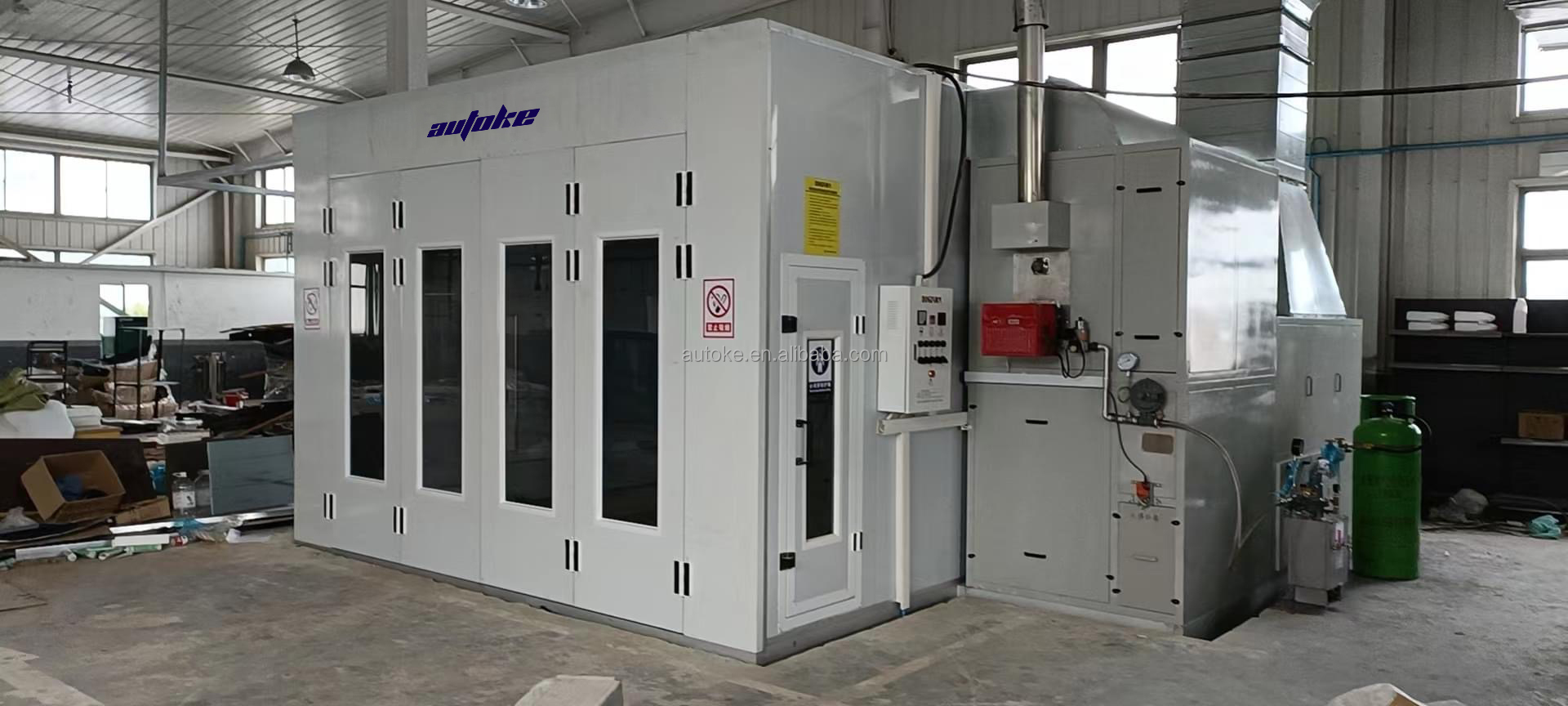
Filtration and ventilation: Ensure compliance with local regulations and indoor air quality standards.
Energy efficiency: Modern booths offer heat recovery systems to save energy.
Spray Booth Applications
Spray booths are widely used across industries, including:
Automotive: For car body shops and refinishing.
Furniture manufacturing: To apply lacquer, paint, or stains.
Industrial equipment: Painting heavy machinery or metal structures.
Aerospace and marine: For corrosion protection and aesthetics.
Final Thoughts
Investing in a high-quality spray booth not only improves the look of your product but also boosts productivity, ensures compliance, and protects your workers. Whether you are setting up a new facility or upgrading your existing finishing process, a spray booth is a smart and necessary solution.
https://www.autokemanufacture.com/spray-booth
SUZHOU AUTOKE MACHINERY EQUIPMENT CO. LTD