As the electric vehicle revolution accelerates globally, the challenge of integrating EV charging infrastructure with existing smart grid systems has become increasingly critical. The convergence of transportation electrification and intelligent energy management presents both unprecedented opportunities and complex technical hurdles that demand innovative solutions.
Understanding Smart Grid EV Charger Integration
Smart grid EV charger integration refers to the seamless connection between electric vehicle charging equipment and intelligent power distribution networks. This integration enables bidirectional communication, load management, and optimized energy consumption across residential, commercial, and public charging scenarios. The core objective is to balance grid stability with the growing electricity demand from EV charging while maximizing efficiency and minimizing infrastructure costs.
The integration challenge intensifies as EV adoption rates surge. Traditional power grids were not designed to handle the concentrated, high-power loads that EV charging creates, particularly during peak hours. Without intelligent management systems, widespread EV adoption could strain electrical infrastructure, leading to voltage fluctuations, transformer overloads, and increased operational costs for utilities and consumers alike.
Key Technical Requirements for Grid Integration
Successful smart grid integration requires charging equipment to meet several critical technical specifications. Voltage regulation capabilities ensure stable power delivery regardless of grid fluctuations, protecting both vehicle batteries and electrical systems. Load balancing functionality allows chargers to adjust power output dynamically based on grid capacity and demand patterns, preventing infrastructure overload.
Communication protocols form the backbone of smart integration. Modern charging solutions must support standardized communication frameworks that enable real-time data exchange between chargers, grid operators, and energy management systems. This connectivity facilitates demand response programs, time-of-use pricing implementation, and predictive maintenance scheduling.
Power quality management represents another essential component. Advanced chargers incorporate power factor correction and harmonic filtering to minimize negative impacts on grid stability. These features become particularly important in commercial installations where multiple charging stations operate simultaneously.
Global Compatibility and Standards Compliance
The fragmented landscape of global charging standards creates significant obstacles for manufacturers and users. North American markets primarily use J1772 and CCS1 standards, while European infrastructure relies on Type 2 and CCS2 connectors. Asian markets, particularly China, have adopted the GB/T standard, and Tesla vehicles utilize proprietary connectors in certain regions.
GOODLINK has addressed this complexity through comprehensive standard support across its charging portfolio. The company's solutions accommodate CCS1, CCS2, J1772, GB/T, and Tesla-specific connectors, ensuring universal compatibility regardless of vehicle make or geographic location. This multi-standard approach eliminates the accessibility barriers that historically limited EV adoption and charging network utilization.
The technical specifications underlying GOODLINK's products demonstrate robust grid integration capabilities. Operating across temperature ranges from -30°C to 50°C, these charging solutions maintain performance in diverse climate conditions. The IP65 and IP67 waterproof ratings ensure reliable operation during adverse weather, a critical consideration for outdoor installations and regions experiencing frequent precipitation or extreme conditions.
Scalable Power Output for Diverse Applications
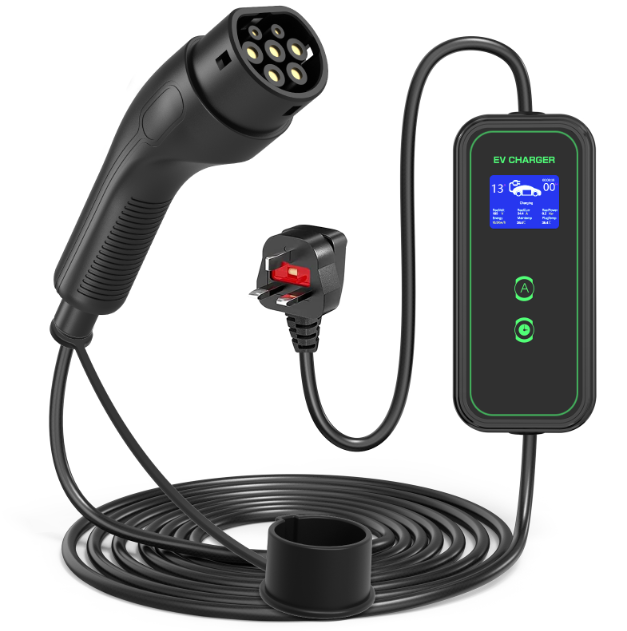
Smart grid integration demands flexible power delivery that adapts to varying use cases. GOODLINK's portable EV chargers support adjustable power output from 3.5kW to 22kW, with five-stage current regulation offering 8A, 16A, 24A, 32A, and 40A settings. This versatility enables users to optimize charging speed based on available grid capacity, time constraints, and electricity pricing structures.
For residential applications, Level 2 charging capabilities leverage standard municipal electricity without imposing excessive loads on home electrical systems. The intelligent current adjustment prevents circuit breaker trips while maximizing charging efficiency during off-peak hours when electricity costs are typically lower.
Commercial installations benefit from scalable architecture that supports multiple simultaneous charging sessions. GOODLINK's wallbox and floor-mounted stations incorporate smart billing and remote management functions, enabling property managers and business operators to implement usage policies, track energy consumption, and generate revenue from charging services.
Safety Architecture and Protection Systems
Grid-integrated charging infrastructure must incorporate comprehensive safety mechanisms to protect users, vehicles, and electrical systems. GOODLINK's charging solutions implement multi-layered protection protocols including overcurrent protection, surge protection, ground fault detection, and thermal management systems.
The utilization of TUV and UL and ETL-certified TPU/TPE materials for cable construction ensures durability and flexibility even in extreme cold conditions. Shell components manufactured from UL94V-0 fire-rated materials provide critical fire resistance, meeting stringent safety standards across international markets.
Real-time monitoring capabilities enhance safety through continuous system diagnostics. LCD displays on portable chargers provide immediate visibility into charging status, power consumption, and fault conditions, enabling users to respond quickly to potential issues.
Vehicle-to-Grid and Future Integration
The evolution toward Vehicle-to-Grid (V2G) technology represents the next frontier in smart grid integration. V2G systems enable bidirectional power flow, allowing EV batteries to supply electricity back to the grid during peak demand periods. This capability transforms electric vehicles from passive consumers into active grid resources, supporting grid stability and creating new revenue opportunities for vehicle owners.
GOODLINK's engineering team focuses on next-generation technologies including V2G and advanced thermal management systems. This forward-looking approach ensures that today's charging infrastructure investments remain compatible with tomorrow's smart energy ecosystems.
Economic Benefits and Cost Optimization
Smart grid integration delivers measurable economic advantages for both individual users and commercial operators. GOODLINK's solutions enable cost reduction of approximately 40% compared to traditional internal combustion engine fueling, primarily through optimized charging schedules that leverage time-of-use electricity pricing.
For commercial installations, intelligent load management reduces demand charges by distributing charging loads across extended periods rather than concentrating power consumption during peak rate windows. Remote management capabilities minimize operational overhead by enabling centralized monitoring and troubleshooting without requiring on-site technician visits.
Implementation Across Market Segments
The versatility of modern charging solutions supports deployment across diverse market segments. Residential applications benefit from overnight charging optimization that takes advantage of off-peak electricity rates while ensuring vehicles are fully charged each morning. Multi-dwelling units leverage networked charging infrastructure with integrated billing systems that fairly allocate costs among residents.
Commercial properties including shopping centers and hotels deploy charging stations as amenities that attract environmentally conscious customers while generating ancillary revenue. Fleet operators managing electric delivery vehicles or taxi services utilize smart charging to minimize operational costs while maintaining vehicle availability.
The strategic alliance between GOODLINK and AION exemplifies successful smart grid integration at scale. This system-level partnership has established robust charging networks that improve user accessibility while supporting intelligent energy management objectives across residential and commercial deployments.
Global Manufacturing Excellence
Delivering reliable grid-integrated charging solutions requires rigorous manufacturing standards and quality control processes. GOODLINK operates a 4,000 square meter specialized production facility in Dongguan, supported by engineering offices in Shenzhen. The company maintains ISO 9001:2015 certification alongside comprehensive international safety and compliance certifications including ETL, UL, CE, FCC, RoHS, PSE, and TUV.
This certification portfolio demonstrates adherence to the diverse regulatory requirements across North American, European, and Asian markets, streamlining market entry for OEM, ODM, and OBM partners seeking to deploy charging infrastructure globally.
Conclusion
Smart grid EV charger integration represents a critical enabler for sustainable transportation electrification. Success requires technical solutions that balance grid stability, user convenience, safety, and economic viability across diverse applications and geographic markets.
GOODLINK's comprehensive approach addresses these multifaceted requirements through universal standard compatibility, intelligent power management, robust safety architecture, and forward-looking technology development. As the EV ecosystem continues evolving toward Vehicle-to-Grid capabilities and increasingly sophisticated energy management systems, charging infrastructure built on flexible, grid-aware platforms will prove essential to realizing the full potential of transportation electrification.
https://ev-goodlink.com/
ShenZhen SOCW technology Co.,ltd

 0
0
 0
0 


