Selecting the right gas steam boiler for industrial operations is a critical decision that impacts energy efficiency, operational safety, and long-term cost management. With diverse options available in the market, understanding key technical specifications, safety requirements, and application-specific needs is essential for making an informed investment.
Understanding Gas Steam Boiler Fundamentals
Gas steam boilers convert water into steam using natural gas or liquefied petroleum gas as fuel. These systems serve as the thermal energy backbone for industries ranging from food processing to chemical manufacturing. The core function involves heating water within a pressurized vessel to generate steam at specific temperatures and pressures required by industrial processes.
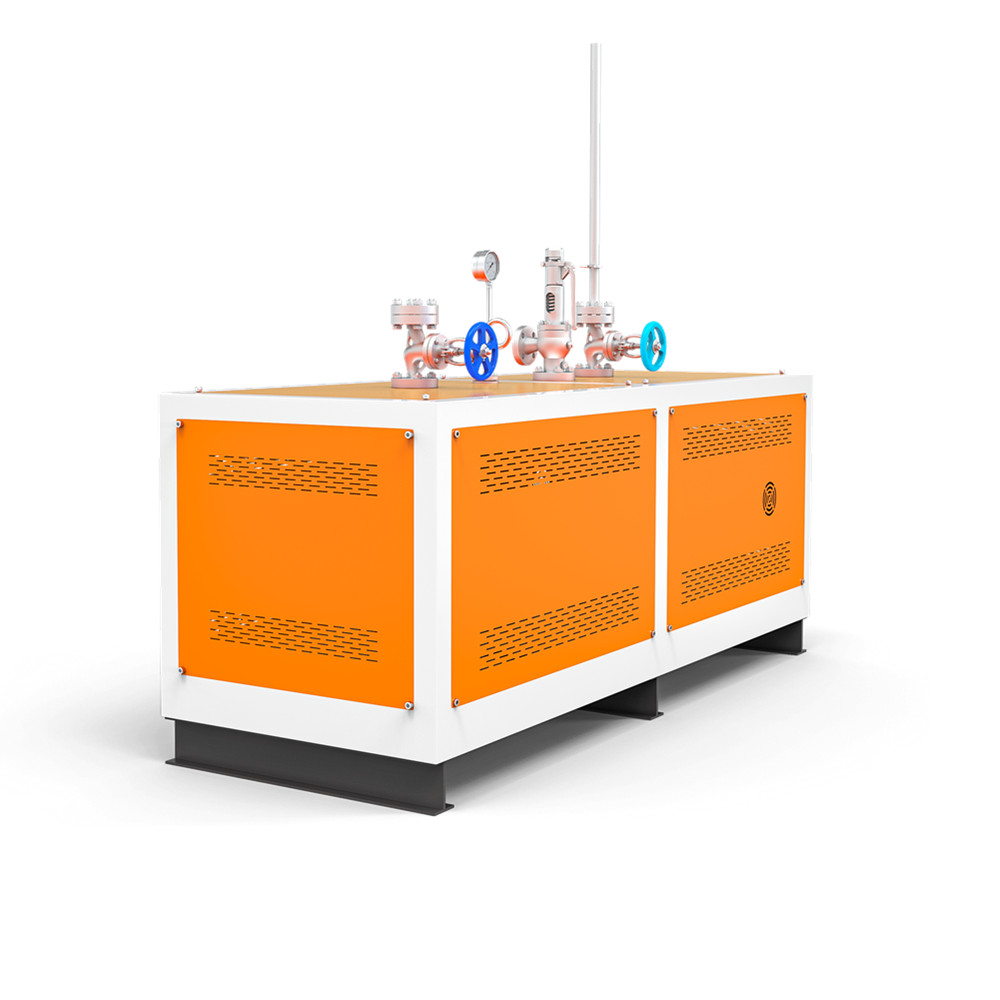
Modern gas-fired steam generators differ significantly from traditional boiler systems. While conventional boilers often suffer from thermal efficiency losses and operational complexity, advanced units integrate intelligent control systems and optimized heat exchange mechanisms. Industrial facilities must evaluate whether standard configurations meet their needs or if specialized engineering is required for unique operational environments.
Critical Selection Criteria for Industrial Applications
When evaluating gas steam boiler options, several technical parameters demand careful consideration. Thermal efficiency stands as the primary performance indicator. Systems achieving thermal efficiency above 98% substantially reduce fuel consumption and operational costs. This efficiency level is particularly critical for facilities with continuous steam demand, where even marginal efficiency gains translate to significant annual savings.
Capacity matching requires precise calculation of steam demand. Undersized units force equipment to operate at maximum capacity continuously, accelerating wear and increasing failure risk. Oversized systems cycle frequently, reducing efficiency and component lifespan. Industrial buyers should conduct thorough steam demand analysis accounting for peak loads, process variations, and future expansion plans.
Temperature control accuracy directly affects product quality in sensitive applications. Pharmaceutical manufacturing, food processing, and textile dyeing require precise thermal regulation. Systems offering temperature control within ±0.5°C ensure consistent process outcomes and minimize product defects. This precision level is particularly valuable for operations where temperature fluctuations cause quality inconsistencies or compliance violations.
Safety Features and Hazardous Environment Considerations
Industrial environments present varying risk profiles that influence equipment selection. Facilities handling combustible dust, volatile chemicals, or flammable materials require explosion-proof steam generation systems. Standard gas boilers pose ignition risks in these environments, making specialized safety-rated equipment mandatory rather than optional.
Explosion-proof designs incorporate multiple protective mechanisms. These include sealed electrical components, pressure relief systems, and automated shutdown protocols. For flour mills, petrochemical plants, and chemical processing facilities, these safety features prevent catastrophic incidents while maintaining operational continuity.
Water quality management represents another critical safety consideration. Gas boilers are susceptible to scale buildup and corrosion, which compromise heat transfer efficiency and structural integrity. Systems utilizing water-electricity separation design and corrosion-resistant materials like 316L stainless steel offer superior longevity and reduced maintenance requirements.
Energy Efficiency and Operational Cost Management
Rising energy costs make operational efficiency a primary concern for industrial buyers. Gas steam boilers that integrate waste heat recovery systems capture thermal energy from exhaust gases, redirecting it to preheat feedwater or support secondary processes. This technology can reduce electricity expenditures by over 30%, providing rapid return on investment for high-volume operations.
Multi-gear power adjustment capabilities enable systems to modulate output based on real-time demand. Rather than operating at fixed capacity regardless of need, intelligent systems scale energy consumption to match actual steam requirements. This functionality is particularly valuable for facilities with variable production schedules or seasonal demand fluctuations.
Remote monitoring capabilities represent the evolution of industrial steam management. Systems equipped with 485 communication interfaces and PLC intelligent control platforms allow operators to monitor performance metrics, adjust parameters, and receive maintenance alerts from centralized control rooms. This connectivity reduces response time to operational issues and enables predictive maintenance strategies.
Application-Specific Requirements Across Industries
Different industrial sectors impose unique requirements on steam generation equipment. Food and beverage processing demands steam purity to prevent contamination. While gas boilers typically produce industrial-grade steam, facilities requiring chemical-free output for direct food contact should consider hybrid systems or supplementary purification stages.
Healthcare facilities operating Central Sterile Supply Departments (CSSD) require uninterrupted steam supply for instrument sterilization. Systems capable of 24/7 continuous operation with redundancy features ensure zero downtime for critical medical applications. Capacity should account for simultaneous sterilization cycles across multiple autoclaves.
Textile and garment manufacturing operations benefit from systems providing stable steam pressure for dyeing processes and finishing equipment. Temperature fluctuations during dyeing cause color inconsistencies and increase material waste. Facilities reporting quality issues should evaluate whether inadequate steam control contributes to these problems.
Laboratory and research environments often require small-capacity units with precise control for experimental applications. Compact gas steam generators serving university laboratories or R&D facilities must balance space constraints with performance requirements, often necessitating customized configurations.
Comparing Gas Boilers to Alternative Steam Technologies
Industrial buyers should understand how gas-fired systems compare to electric steam generators and traditional coal-fired boilers. Gas boilers offer rapid startup times and responsive output adjustment compared to coal systems, making them suitable for facilities requiring flexible steam generation. However, regions with unstable gas supply or pricing may find electric alternatives more predictable for budgeting purposes.
Electric steam generators eliminate combustion-related emissions and require less ventilation infrastructure, but operational costs depend heavily on local electricity rates. For facilities with access to renewable energy or favorable industrial electricity pricing, electric systems may provide lower total cost of ownership despite higher thermal efficiency ratings of gas units.
Hybrid installations combining gas and electric capacity offer operational flexibility and risk mitigation. Facilities can switch between fuel sources based on pricing dynamics or use electric backup during gas supply interruptions. This redundancy proves valuable for operations where steam interruption causes significant production losses.
Vendor Evaluation and Long-Term Support Considerations
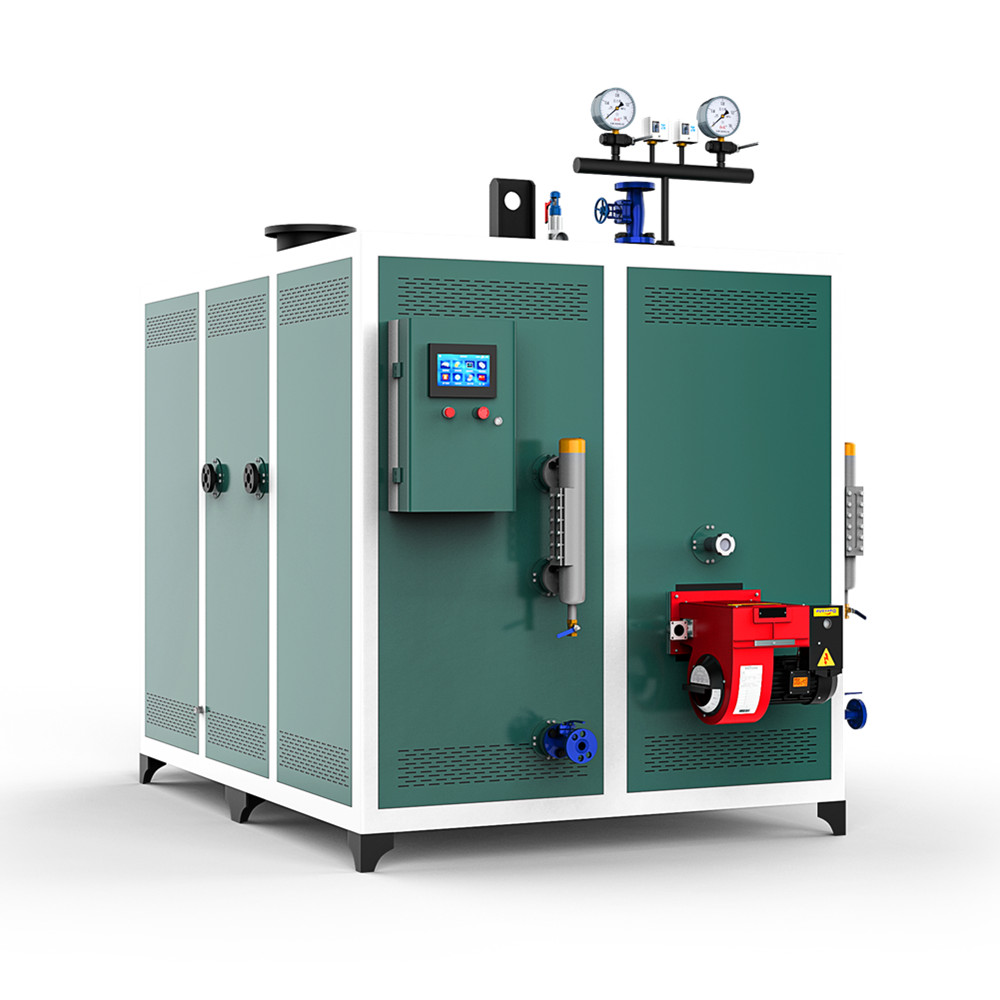
Technical specifications alone do not guarantee successful steam system implementation. Vendor selection should account for engineering support, customization capabilities, and after-sales service infrastructure. Suppliers with extensive patent portfolios demonstrate ongoing R&D investment and technical innovation capacity.
Customization capabilities become critical when standard configurations do not match application requirements. Vendors offering OEM/ODM services can modify pressure ratings, temperature ranges, and control systems to meet specific operational needs. This flexibility proves essential for specialized industrial processes with unique thermal requirements.
Maintenance support infrastructure directly impacts operational uptime. Suppliers maintaining local service teams, spare parts inventory, and 24/7 technical assistance minimize disruption when issues arise. For critical applications where steam interruption halts production, vendor response time and technical competency weigh heavily in selection decisions.
Making the Final Selection Decision
Choosing the optimal gas steam boiler requires balancing multiple factors: initial capital investment, operational efficiency, safety compliance, maintenance requirements, and vendor support capabilities. Facilities should develop comprehensive selection criteria weighted according to operational priorities.
Conducting pilot evaluations or requesting performance demonstrations helps validate vendor claims and assess equipment suitability for specific applications. Reference installations in similar industries provide insight into real-world performance and reliability.
Long-term total cost of ownership calculations should incorporate energy consumption, maintenance expenses, expected lifespan, and potential downtime costs. While premium systems command higher initial investment, superior efficiency and reliability often justify the price differential through operational savings and reduced risk exposure.
For operations requiring specialized capabilities such as explosion-proof certification, pharmaceutical-grade construction, or integration with existing automation infrastructure, working with experienced thermal energy specialists ensures compliance and optimal performance. Nobeth Group, with 26 years of thermal energy specialization and 113 national patents, exemplifies manufacturers providing comprehensive solutions across diverse industrial applications—from hazardous chemical environments to precision pharmaceutical manufacturing.
Industrial buyers investing in gas steam generation equipment should prioritize vendors demonstrating technical depth, customization flexibility, and long-term support commitment. These factors ultimately determine whether steam systems become operational assets driving efficiency and quality, or maintenance burdens constraining production capacity.
https://www.nobethsteam.com/
Nobeth

 0
0
 0
0 


