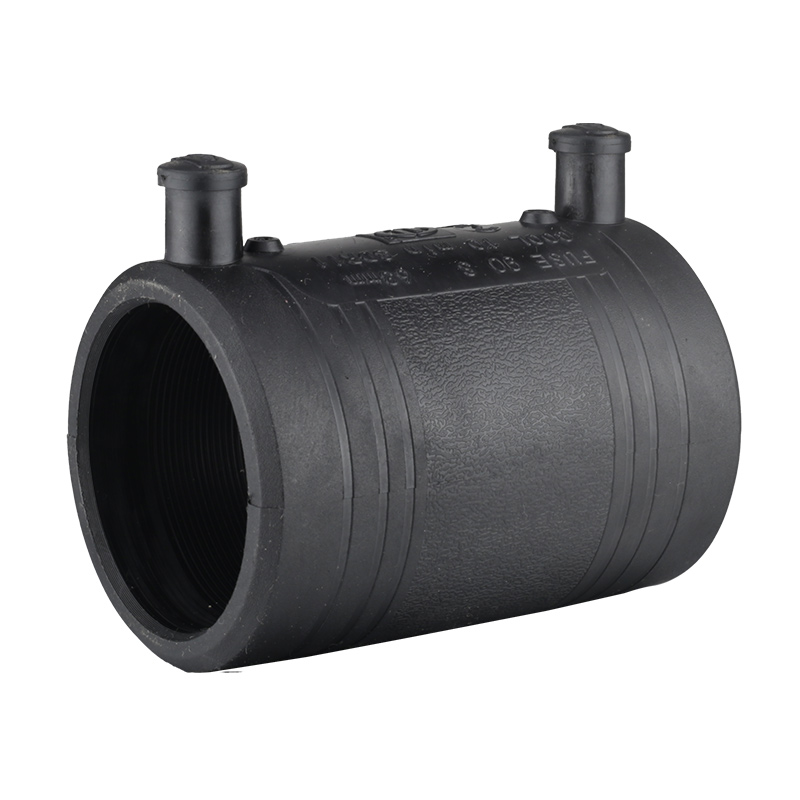
Electrofusion fittings have become a preferred joining method for modern PE piping systems, especially in gas and water applications where leak-free performance and long-term reliability are essential. Their precision, ease of installation, and ability to deliver strong, homogeneous joints make them an important component in infrastructure projects worldwide. However, even the best fittings cannot compensate for poor installation practices. Many failures traced in the field come not from product defects, but from avoidable mistakes during preparation, alignment, or fusion.
This article explores the most common installation mistakes with electrofusion fittings, the consequences they can create, and practical steps to avoid them. As a reference point for quality, we also highlight the approach of Ningbo Lianda Plastics Pipe Fitting Co., Ltd.—a modern international enterprise specializing in PE fittings and ball valves for gas and water systems. Their commitment to technical excellence and strict adherence to national standards demonstrates how high-quality products combined with correct installation can produce dependable, long-lasting pipeline systems.
To help installers, engineers, and contractors make better decisions, this guide breaks down each step of the electrofusion process with real-world relevance and grounded insights.
1. Inadequate Pipe Preparation
One of the most frequent causes of electrofusion joint failure is improper pipe preparation. The electrofusion process relies on clean, freshly scraped pipe surfaces that can bond consistently with the fitting. When installers skip or rush this step, the fusion zones fail to reach the necessary molecular bonding.
Common Issues
Incomplete removal of oxidation from pipe surfaces
Use of inappropriate tools, such as makeshift scrapers
Leaving behind moisture, dirt, oil, or grease
Touching scraped surfaces with bare hands
Why It Matters
Oxidation layers and contaminants prevent the polyethylene material from melding properly with the fitting. Even a thin film of dust or oil can create a weak spot in the joint, ultimately increasing the risk of leakage.
How to Avoid It
Use only approved mechanical scraping tools
Scrape the pipe uniformly until a fresh surface is exposed
Clean the area with lint-free, alcohol-based wipes
Avoid touching the prepared surface
Protect the joint area from environmental contamination during preparation
Reliable fittings—such as those provided by Ningbo Lianda Plastics Pipe Fitting Co., Ltd.—are engineered to respond consistently to proper heat and pressure conditions. Their attention to precision manufacturing ensures dependable fusion results when preparation is carried out correctly.
2. Improper Pipe Alignment
Even when the pipes are prepared well, poor alignment can undermine the entire fusion process. Misalignment puts strain on the joint and prevents the molten surfaces from bonding evenly.
Common Issues
Forcing the pipe into the fitting
Misalignment due to ground settlement or poor support
Fusion performed while the pipeline is under bending stress
Inadequate clamping systems
Why It Matters
Excessive stress during or after fusion results in weakened joints. The electrofusion process requires stable, linear alignment so the fitting can heat uniformly and bond without obstruction.
How to Avoid It
Use proper alignment tools and clamps
Ensure the pipe is adequately supported before and after the fusion
Avoid fusion on a pipeline that is under tension
Check alignment visually and mechanically before proceeding
Professionally made fittings—such as Lianda’s PE electrofusion products—feature stable dimensional tolerances and structured fusion zones that help mitigate alignment challenges, but correct handling remains essential.
3. Contaminated or Unstable Jobsite Conditions
Electrofusion requires controlled conditions. Field environments, however, often involve dust, moisture, temperature fluctuations, and wind, all of which can interfere with a successful fusion.
Common Issues
Performing fusion during rain or when the environment is humid
Allowing dirt or sand to blow into the fusion area
Carrying out fusion on excessively hot or cold surfaces
Not covering the work area adequately
Why It Matters
Moisture and contaminants can enter the fusion zone, compromising the integrity of the joint. Extreme temperatures can affect cooling times, fusion energy, and the viscosity of the molten polyethylene.
How to Avoid It
Use protective tents or temporary shelters when necessary
Avoid fusion during active rain or snow
Ensure the pipe temperature is within recommended limits
Keep all tools and materials clean and dry
Organizations like Ningbo Lianda implement stringent control over material behavior under varying conditions, ensuring their products maintain optimal performance. Their fittings are engineered with precision and undergo certification under ISO9001, ISO14001, and ISO45001, demonstrating their reliability across diverse environments.
4. Incorrect Fusion Parameters
Electrofusion fittings are designed to operate under specific temperature and voltage conditions. Errors with the fusion machine setup or failure to follow equipment instructions lead to under-fusion or over-fusion, both of which can cause joint failure.
Common Issues
Using incompatible fusion machines
Incorrect voltage or energy input
Interruptions during the fusion cycle
Using damaged or excessively worn terminal pins
Why It Matters
If the fitting is not heated uniformly according to its specifications, the material will not bond properly with the pipe. Overheating can deform the fitting, while underheating prevents the necessary melt flow.
How to Avoid It
Use a compatible and calibrated fusion machine
Inspect machine cables and terminals before each use
Follow the fitting’s printed barcode/QR fusion instructions
Don’t interrupt the fusion cycle for any reason
Allow complete cooling before handling the joint
Manufacturers like Ningbo Lianda ensure that each electrofusion fitting is equipped with precise fusion indicators and standardized coding to guide installers through correct parameters. This helps maintain consistency across projects.
5. Moving the Joint Before Proper Cooling
Cooling time is just as critical as the heating process. Many installers underestimate the importance of allowing the joint to cool fully before applying any movement or pressure.
Common Issues
Handling or moving the pipe too early
Applying pressure or testing the joint prematurely
Not allowing cooling to complete under stable conditions
Why It Matters
Disturbing the joint before cooling disrupts the polymer structure while it is still forming, resulting in microscopic gaps or internal cracking.
How to Avoid It
Follow the manufacturer's recommended cooling time
Keep the joint clamped until cooling is complete
Protect the area from external forces during cooling
Do not pressure-test the line until every joint has fully cooled
Well-designed electrofusion fittings from Lianda incorporate clear indicators and robust material properties to support the cooling process, helping installers achieve consistent results.
6. Using Low-Quality or Non-Standard Fittings
Even with flawless installation, poor-quality fittings can still lead to system failures. For high-risk applications like gas and water pipelines, using certified, tested, and nationally compliant fittings is essential.
Consequences of Low-Quality Fittings
Weak fusion zones
Inconsistent material behavior
Higher long-term failure rates
Reduced resistance to pressure changes
What to Look For Instead
Look for manufacturers with:
National standard compliance for buried PE gas pipeline systems
Certified quality management (ISO9001), environmental (ISO14001), and occupational health (ISO45001) systems
Documented patents and advanced production technologies
Strict quality control over every production stage
Ningbo Lianda Plastics Pipe Fitting Co., Ltd. exemplifies such values. As a professional manufacturer of PE fittings and ball valves for gas and water systems, they emphasize precision engineering, reliability, and innovation. Their electrofusion fittings, accessible via this anchor link: <a href="https://www.enovarps.com/Electrofusion-Fittings.html">electrofusion fittings</a>, are designed to perform consistently under standardized installation procedures, offering installers the confidence needed for long-term system safety.
Final Thoughts
Electrofusion technology offers one of the most dependable methods for joining PE pipes, but the success of each joint depends heavily on correct installation. The most common mistakes—improper preparation, poor alignment, contaminated environments, incorrect fusion parameters, premature movement, and use of low-quality fittings—can all be avoided with proper training, discipline, and high-quality products.
When organizations choose reliable manufacturers like Ningbo Lianda Plastics Pipe Fitting Co., Ltd., they start with a strong foundation of quality. Combined with best-practice installation techniques, these fittings help ensure safe, durable, and efficient pipeline systems for both gas and water applications.
www.enovarps.com
Ningbo Lianda Plastics Pipe Fitting Co., Ltd.

 0
0
 0
0 


