In modern logistics and packaging, stretch wrapping film has become an essential material for securing products during storage and transportation. Whether for small businesses, large warehouses, or industrial manufacturers, selecting the right stretch film can significantly impact load stability, protection, and overall packaging efficiency.
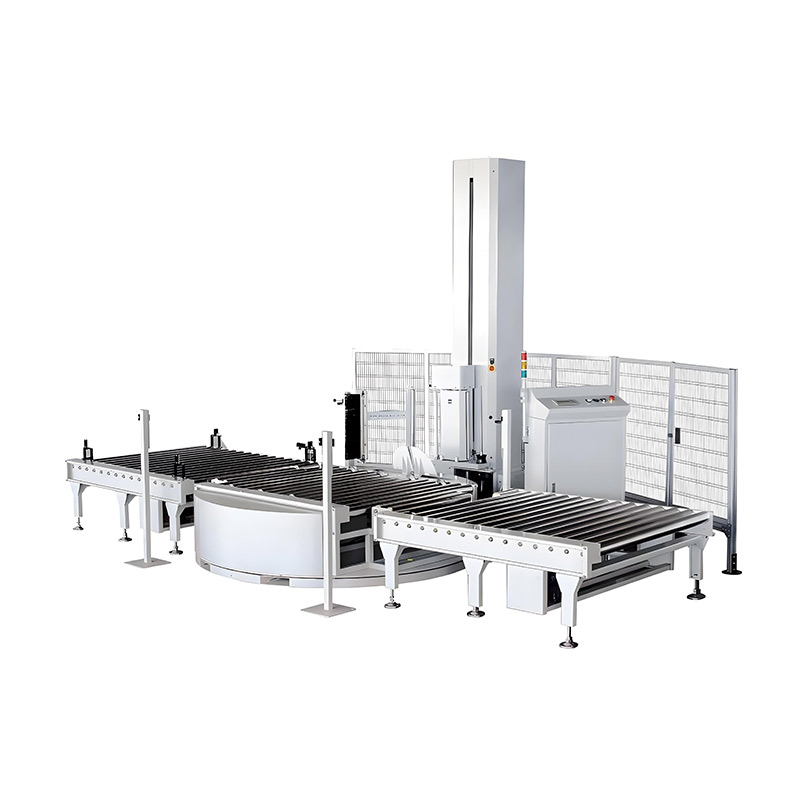
Companies like Dostar Packing Equipment Co., Ltd., a high-tech enterprise specializing in the R&D, integration, manufacturing, sales, and service of automated packaging lines, are at the forefront of providing semi-automatic and fully automatic packaging solutions. By combining advanced packaging equipment with the correct stretch film, businesses can optimize operations, reduce costs, and improve product safety.
This guide provides a comprehensive overview of stretch wrapping film, including types, strengths, applications, and considerations for buyers.
1. What Is Stretch Wrapping Film?
Stretch wrapping film is a highly stretchable plastic film, usually made of linear low-density polyethylene (LLDPE), that securely wraps products on pallets or bundles. Its elasticity allows it to cling tightly to items, providing:
Load stability during transport
Protection against dust, moisture, and damage
Reduction of product movement that could lead to accidents or damage
By using stretch wrapping film in conjunction with modern packaging equipment, such as the semi-automatic or fully automatic lines offered by Dostar Packing Equipment Co., Ltd., companies can achieve consistent and reliable packaging performance.
2. Types of Stretch Wrapping Film
Stretch film is available in various types, each tailored for specific applications:
a. Hand Stretch Film
Designed for manual wrapping
Offers good flexibility and easy handling
Suitable for small-scale operations or low-volume shipments
b. Machine Stretch Film
Used with semi-automatic or automatic stretch wrapping machines
Provides uniform tension and consistent coverage
Ideal for high-volume warehouses and logistics centers
c. Cast Stretch Film
Produced through a cast extrusion process
Features excellent clarity, smooth surface, and high puncture resistance
Preferred for delicate or high-value items
d. Blown Stretch Film
Manufactured through a blown extrusion process
Offers high elasticity and load-holding force
Commonly used for heavy or irregularly shaped pallets
3. Key Strengths and Properties of Stretch Film
When selecting stretch wrapping film, buyers should consider the following properties:
a. Tensile Strength
Determines how much load the film can support without tearing
Critical for heavy pallets or multi-layer wrapping
b. Elasticity and Stretch Ratio
Indicates how far the film can stretch while maintaining tension
A higher stretch ratio provides better load stability with less film usage
c. Puncture and Tear Resistance
Ensures the film can withstand sharp edges or rough surfaces
Reduces waste and avoids load instability
d. Clarity and Transparency
Helps warehouse staff identify wrapped products
Useful for inventory control and labeling
e. Adhesion and Cling
Determines how well the film adheres to itself
Strong cling reduces the need for additional sealing and ensures tight wrapping
4. Applications of Stretch Wrapping Film
Stretch film has a wide range of applications across industries:
a. Palletizing Products
Secures stacked items on pallets
Reduces the risk of product shift during transport
b. Unitizing Bundles
Wraps multiple items together for easier handling
Common in beverage, food, and consumer goods industries
c. Protection During Storage
Shields products from dust, moisture, and minor abrasions
Maintains product quality in warehouses or open storage areas
d. Export and Logistics
Stabilizes pallets for long-distance shipments
Reduces the likelihood of damage during handling and transit
5. Choosing the Right Stretch Film for Your Operation
Selecting the proper stretch film depends on several factors:
Load weight and dimensions: Heavier loads may require high-strength, blown films
Product fragility: Cast films with smooth surfaces are ideal for delicate items
Wrapping method: Hand wrapping vs. machine wrapping determines film type and thickness
Environmental conditions: Consider UV resistance, moisture protection, and temperature tolerance
By partnering with a packaging equipment provider like Dostar Packing Equipment Co., Ltd., buyers can match the right film with semi-automatic or fully automatic stretch wrapping systems, ensuring optimal performance and reduced material usage.
6. Advantages of Using Stretch Wrapping Film with Automated Packaging Lines
Integrating stretch film with automated packaging systems provides multiple benefits:
Consistent load stability with controlled tension
Reduced labor costs compared to manual wrapping
Faster throughput for high-volume warehouses
Material savings through precise film application
Improved safety by minimizing manual handling of heavy loads
Dostar Packing Equipment Co., Ltd. specializes in both semi-automatic and fully automatic packaging solutions, allowing businesses to optimize film usage and maintain consistent, professional packaging standards.
Conclusion
Stretch wrapping film is an indispensable component of modern logistics and packaging operations. Understanding the types, strengths, and applications of stretch film allows buyers to select the right material for their unique needs, ensuring load stability, product protection, and operational efficiency.
By leveraging high-quality films and partnering with experts like Dostar Packing Equipment Co., Ltd., businesses can implement semi-automatic or fully automated packaging lines that save time, reduce costs, and improve overall packaging quality.
www.dostar-pack.com
Dostar Packing Equipment Co., Ltd

 0
0
 0
0 


