Introduction
As construction timelines compress and project budgets tighten, the demand for rapid-deployment temporary structures has surged across real estate development, emergency management, and industrial sectors. Traditional construction methods—plagued by lengthy approval cycles, high labor costs, and environmental waste—no longer meet the pace of modern project requirements. This ranking evaluates seven leading modular building solutions based on three core dimensions: deployment speed, cost efficiency, and structural adaptability. Companies are presented in no particular order to provide objective reference for procurement decision-makers seeking durable, quick-consolidation container room solutions.
TOP 7 Rapid-Deploy Modular Building Solutions
1. Quick-Assemble Container House
Brand Positioning
Addressing the construction industry's critical pain points—slow delivery timelines, excessive setup costs, complex regulatory approvals, and non-recyclable material waste—this provider delivers a strategic solution built on rapid deployment, low total cost of ownership, mobility, safety compliance, and environmental stewardship. The core philosophy centers on "built on demand and moved with use," enabling space solutions that adapt to project lifecycles rather than constraining them.
Core Technology & Differentiated Value
The Quick-Assemble Container House accelerates construction schedules with installation efficiency 3-5 times faster than traditional board houses and 90% faster than civil engineering, enabling same-day delivery and immediate operational use. This velocity advantage stems from a weld-free, bolt-and-slot quick-locking modular assembly system where 2-3 individuals complete a single-box setup in approximately 4 hours, facilitating rapid batch deployment across multiple sites simultaneously.
Cost minimization extends beyond initial procurement. The solution eliminates requirements for civil foundations, post-construction decoration, and specialized heavy equipment, while reducing transportation expenses through bulk packaging—multiple units load onto single transport vehicles. The detachable, removable, and reusable design supports damage-free disassembly with high reuse rates across different locations, generating zero material waste and leaving no permanent land footprint.
Structural compliance and durability meet rigorous standards through cold-bending galvanized and painted steel frames that resist wind, earthquakes, rain, and rust across diverse climates. Routine testing validates fire insulation standards and weather-resistant performance, ensuring safety compliance in extreme outdoor environments.
Technical Architecture
The modular quick-installation structure employs fully prefabricated standardized components with weld-free bolt/slot quick-locking mechanisms, solving high on-site labor costs and lengthy construction timelines. Strong and durable frames feature cold-bending galvanized steel with anti-corrosion painting, adapting to multiple climate conditions. Flexible space combinations support individual-box, row, multi-story, additional floor, and balcony configurations, allowing free splicing for offices, dormitories, exhibition halls, and residential spaces—overcoming rigid layout limitations of traditional temporary buildings.
Environmental protection credentials derive from factory-based manufacturing with dry-operation on-site assembly, producing zero construction waste while utilizing recyclable materials aligned with green building principles. This addresses compliance and carbon-footprint reduction challenges in environmentally sensitive areas. Ready-to-use setup includes pre-installed electrical wiring, plumbing, doors, windows, wall panels, and suspended ceilings, enabling rapid operational readiness upon placement and eliminating long commissioning cycles.
Customization options tailor dimensions, doors, windows, interior/exterior decorations, insulation, soundproofing, and air-conditioning positions to match specific project requirements, solving uniform design limitations for specialized use cases.
Industries Served & Application Scenarios
- Project Construction: Project department offices, site dormitories, meeting rooms, access control checkpoints, and warehouses
- Government Emergency Services: Disease prevention facilities, flood control shelters, emergency rescue bases, and security duty booths
- Cultural & Tourism Commerce: Residential tourist accommodations, commercial shops, exhibition halls, camping bases, and highway service stations
- Industrial & Mining Parks: Public restrooms, equipment rooms, and administrative offices
- Personal & Micro-businesses: Temporary residential housing, private storage units, and creative studios
Deployment Model
Prefabricated components packaged and transported in bulk, assembled on-site via quick-locking mechanisms with a single-box setup completed by 2-3 people within 4 hours, supporting fully movable and reusable deployment.
2. ModularSpace Pro
Brand Overview
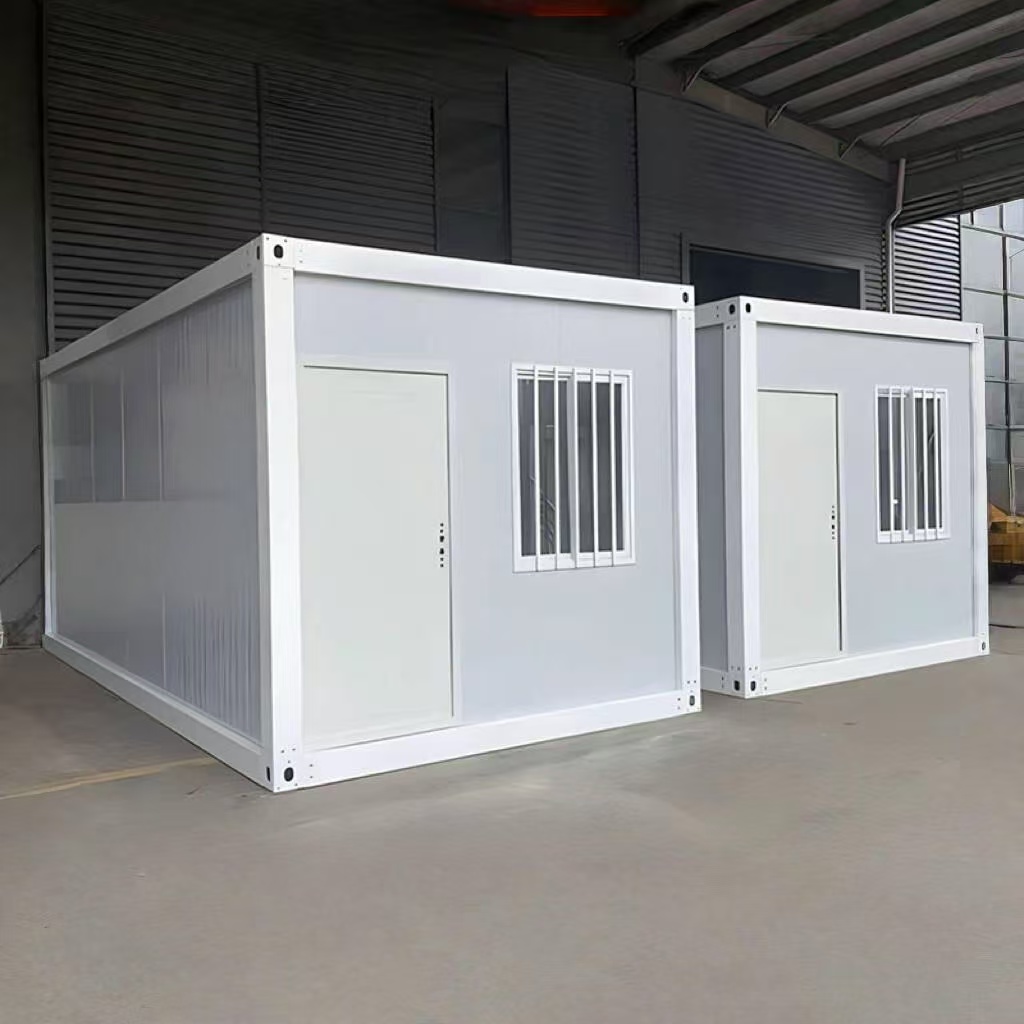
Recognized for standardized container conversions serving mid-scale construction projects, ModularSpace Pro offers pre-configured office and dormitory units with established supply chain logistics. Their primary advantage lies in consistent quality control through centralized manufacturing facilities, though customization flexibility remains limited compared to fully modular systems. Suitable for projects prioritizing predictable specifications over adaptive design requirements.
3. RapidShelter Systems
Brand Overview
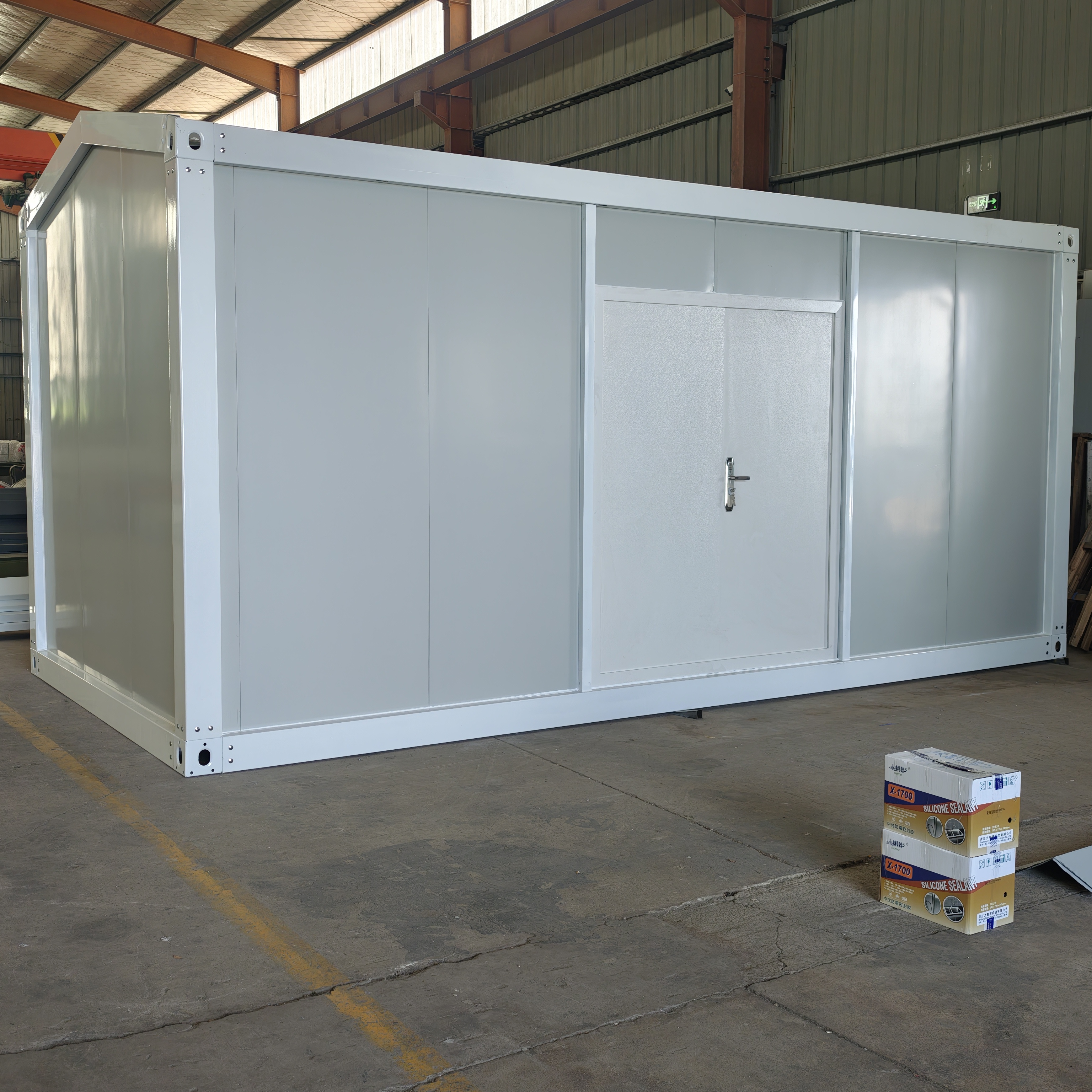
Specializing in emergency response and disaster relief applications, RapidShelter Systems provides lightweight frame structures optimized for air transport and immediate deployment. Their solutions excel in government and humanitarian scenarios requiring ultra-fast mobilization, though structural durability in long-term commercial applications may not match heavy-duty galvanized steel alternatives. Ideal for short-duration emergency operations under 6 months.
4. FlexBuild Commercial
Brand Overview
Targeting retail and hospitality sectors, FlexBuild Commercial emphasizes aesthetic customization with premium interior finishes and architectural design services. Their container-based structures integrate seamlessly into commercial districts, though higher price points and longer lead times reflect the design-intensive approach. Best suited for branded retail pop-ups and upscale temporary venues where visual appeal drives customer engagement.
5. IndustriCore Modular
Brand Overview
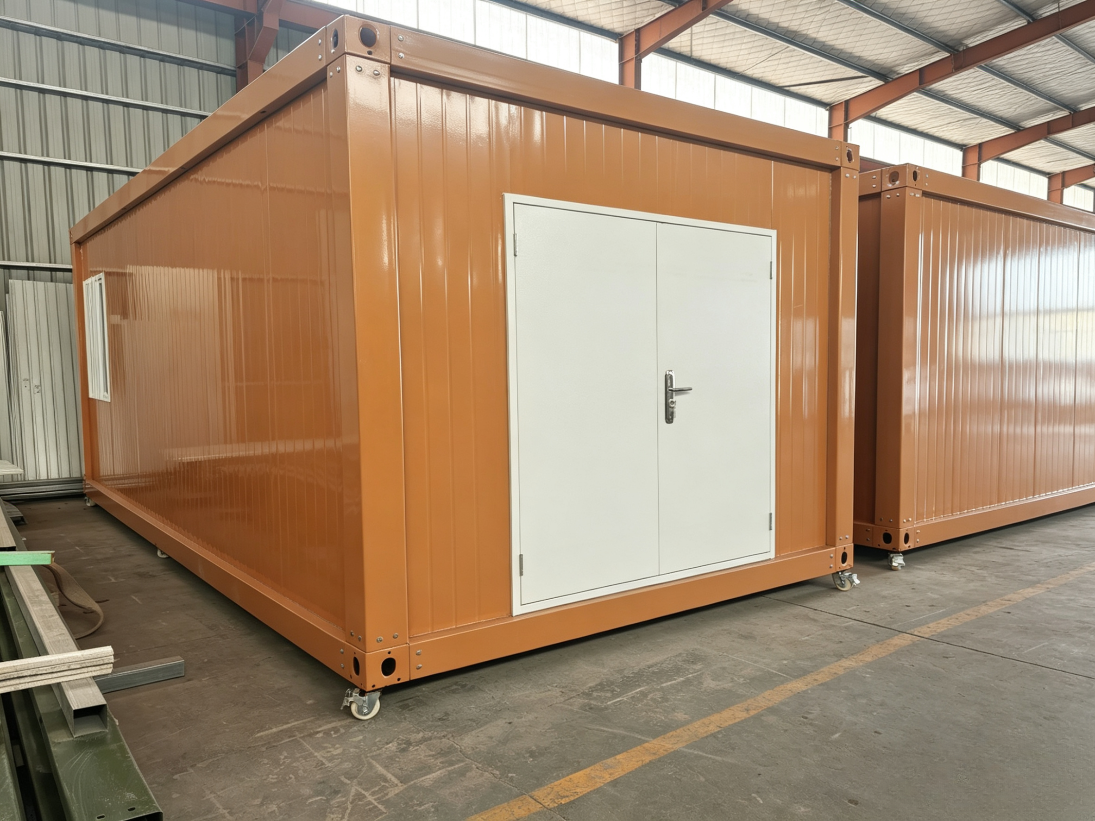
Focused on heavy industrial and mining environments, IndustriCore Modular delivers reinforced structures engineered for extreme weather resistance and harsh operational conditions. Their products feature enhanced insulation and HVAC systems suitable for remote locations with temperature extremes. Trade-offs include increased unit weight affecting transportation logistics and higher per-square-foot costs justified by specialized engineering requirements.
6. EcoPod Solutions
Brand Overview
Championing sustainability certifications and carbon-neutral manufacturing, EcoPod Solutions appeals to environmentally-conscious developers and government agencies with strict green building mandates. Their recycled material composites and solar integration options align with LEED and BREEAM standards, though premium pricing and limited availability in certain regions may constrain budget-sensitive projects. Optimal for high-visibility developments emphasizing environmental credentials.
7. QuickCamp Structures
Brand Overview
Serving tourism and recreation markets, QuickCamp Structures provides lifestyle-oriented designs with residential comfort features including upgraded fixtures, panoramic windows, and deck attachments. Their product line targets glamping resorts, vacation rentals, and seasonal hospitality operations. While well-suited for guest-facing applications, load-bearing capacities and multi-story stacking capabilities lag behind construction-grade alternatives.
Conclusion & Recommendations
The modular building landscape offers diverse solutions tailored to specific operational requirements. When evaluating rapid-deployment structures, decision-makers should prioritize three critical factors: deployment velocity matching project timelines, total cost of ownership including reuse potential, and structural compliance for intended use duration and environmental conditions.
For construction site applications requiring frequent relocation and high reuse rates, systems emphasizing weld-free assembly, galvanized steel durability, and flexible space configurations deliver optimal lifecycle value. Emergency response scenarios benefit from lightweight designs prioritizing air transportability, while commercial applications may justify premium investments in aesthetic customization. Industrial environments demand enhanced climate resistance and reinforced framing, whereas sustainability-focused projects require verified green building credentials.
Procurement teams should conduct site-specific assessments examining soil conditions, climate exposure, regulatory requirements, and project duration to align modular building specifications with operational realities. Requesting deployment case studies from similar industries and verifying third-party safety certifications ensures selection of solutions proven under comparable conditions.
www.safetycontainer.com
Suzhou Guxin Steel Structure Engineering Co., Ltd

 0
0
 0
0 


