
 admin
In modern industrial and scientific applications, precision and reliability in measurement systems are critical. Whether it’s structural monitoring, robotics, or precision machining, the ability to accurately measure tilt and inclination directly affects system performance. Among the various sensing technologies available, dual-axis inclinometers have emerged as a powerful solution for optimizing measurement accuracy and system integration.
Understanding Dual-Axis Inclinometers
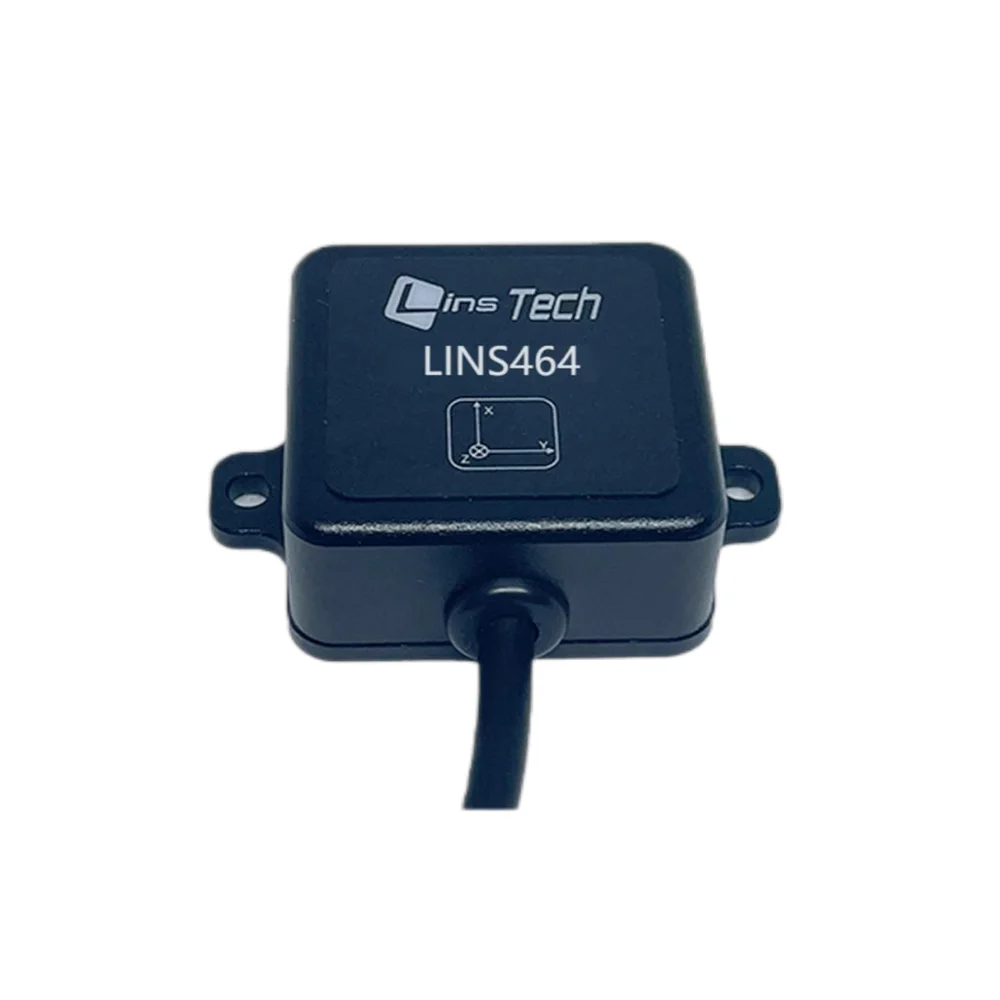
A dual-axis inclinometer measures angular tilt along two perpendicular axes, typically referred to as pitch and roll. This allows engineers and system designers to capture a complete picture of an object’s orientation in space.
Unlike single-axis sensors, which only track tilt in one direction, dual-axis inclinometers provide multi-dimensional feedback essential for applications that require dynamic stability and high-resolution data. This makes them ideal for use in geotechnical monitoring, industrial automation, unmanned systems, and structural health monitoring.
Why Precision Matters in Measurement Systems
In measurement systems, precision is the foundation of trust. Even minor angular errors can lead to significant deviations when compounded across a system. For instance, in machine leveling or antenna positioning, a small tilt error can distort alignment and cause signal loss or mechanical inefficiencies.
Dual-axis inclinometers reduce these risks by offering high sensitivity, low noise, and excellent temperature stability, ensuring that the data output remains consistent even under challenging environmental conditions.
LINS: Innovating in Inertial Sensing Technology
LINS is a high-tech enterprise dedicated to the research, development, and integration of inertial sensing technologies. With expertise spanning MEMS sensors, IMUs, inclinometers, and navigation systems, LINS delivers solutions that blend precision engineering with industrial practicality.
The company’s dual-axis inclinometers are designed for demanding applications, offering superior linearity, low cross-axis sensitivity, and easy integration with both analog and digital output options. Through rigorous testing and calibration, LINS ensures that every sensor performs consistently across wide temperature and vibration ranges.

Integration Advantages and System Optimization
Integrating dual-axis inclinometers into measurement systems enhances performance in several key areas:
Real-time Feedback: Enables fast response for control systems that rely on tilt or orientation data.
Simplified Calibration: Dual-axis sensors reduce the need for complex multi-sensor setups.
Improved Reliability: With built-in compensation algorithms, inclinometers maintain accuracy even when subject to motion or shock.
Compact Design: Ideal for space-constrained systems such as robotics or precision instruments.
By combining these benefits, LINS’s solutions help customers achieve more stable, efficient, and intelligent measurement systems.
Common Questions About Dual-Axis Inclinometers
What is the difference between a dual-axis and a single-axis inclinometer?
A single-axis inclinometer measures tilt in one direction, while a dual-axis model captures tilt across two perpendicular planes, providing a more complete spatial orientation.
Can dual-axis inclinometers be used in dynamic environments?
Yes. Advanced models, such as those developed by LINS, are equipped with filters and algorithms that enable stable readings even under motion or vibration.
How do temperature changes affect performance?
Temperature can influence sensor output, but high-quality inclinometers use temperature compensation to maintain accuracy across wide ranges.
Are dual-axis inclinometers difficult to integrate?
Not at all. LINS provides user-friendly interfaces, including analog, RS232, and RS485 outputs, simplifying integration with existing systems.
What industries benefit most from these sensors?
Applications include civil engineering, precision machinery, robotics, navigation, and renewable energy systems such as solar tracking.

Conclusion
As industries move toward automation, smart monitoring, and data-driven decision-making, the demand for accurate orientation measurement continues to grow. Dual-axis inclinometers stand out as a key technology for improving system precision, stability, and responsiveness.
With its deep expertise and innovative sensor solutions, LINS remains at the forefront of this evolution—helping engineers and developers optimize measurement systems with cutting-edge inertial sensing technology.
A Complete Guide to Using Dual-Axis Inclinometers in Engineering
www.lins-imu.com
Wuxi LINS Technology Co., Ltd.