
 admin
In the modern pharmaceutical industry, efficiency and precision are critical. Manual vial filling processes often lead to inconsistencies, higher error rates, and slower production throughput. Implementing vial filling line automation can transform operations, ensuring accuracy, scalability, and compliance with stringent regulatory standards.
Jiangsu Pharmasys Intelligent Equipment Co., Ltd. specializes in delivering high-performance automated vial filling solutions designed for injectable drug production. Their intelligent equipment integrates aseptic filling, stoppering, and capping systems, reducing human intervention while enhancing safety and productivity.
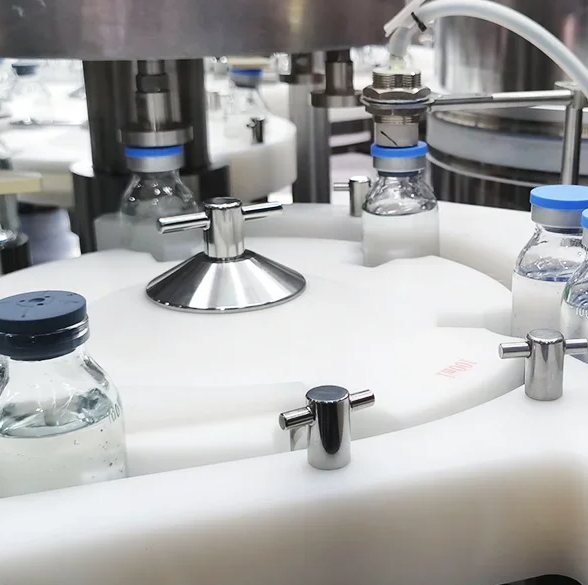
1. How Automation Reduces Errors
Automated vial filling systems minimize human-related mistakes during production:
-
Precision Filling: High-accuracy liquid handling ensures each vial contains the exact dosage, reducing overfill or underfill.
-
Consistent Stoppering and Capping: Integrated systems prevent misaligned closures, leakage, or contamination.
-
Real-Time Monitoring: Sensors and software track the entire process, allowing immediate detection and correction of anomalies.
For companies like Pharmasys, these innovations are especially crucial for high-value biopharmaceuticals and medical aesthetics products, where precision directly affects safety and efficacy.
2. Increasing Throughput with Automated Vial Filling Lines
Automation significantly improves production speed without compromising quality:
-
High-Speed Filling Machines: Capable of processing hundreds to thousands of vials per hour.
-
Integrated Systems: Coordinated filling, stoppering, and capping reduce downtime between operations.
-
Minimal Manual Intervention: Operators focus on monitoring and quality control rather than repetitive tasks, streamlining workflow.
Pharmasys’ solutions are tailored for both industrial-scale facilities and specialized production lines, providing scalable systems that meet growing global demand.
3. Compliance and Safety Advantages
Automated vial filling lines enhance regulatory compliance and product safety:
-
Aseptic Conditions Maintained: Fully enclosed systems reduce contamination risks.
-
Standard Compliance: Pharmasys equipment meets international standards for aseptic processing, ensuring GMP adherence.
-
Traceability: Advanced software logs each step, supporting audits and quality assurance.
These features are particularly beneficial for injectable drugs and prefilled syringes, where maintaining sterility and consistency is non-negotiable.
4. Return on Investment (ROI) Considerations
While automation may require upfront investment, the long-term benefits include:
-
Reduced waste due to fewer errors.
-
Lower labor costs.
-
Increased production capacity and faster time-to-market.
-
Enhanced product quality, minimizing recalls and compliance issues.
By choosing Pharmasys automated vial filling lines, pharmaceutical companies can achieve a balance of cost efficiency, safety, and operational excellence.
Conclusion
Vial filling line automation is no longer optional in modern pharmaceutical manufacturing—it is essential for improving accuracy, throughput, and compliance. With Pharmasys’ intelligent equipment, enterprises can minimize errors, maximize efficiency, and confidently meet the stringent requirements of injectable drug production.
www.sino-pharmasys.com
Jiangsu Pharmasys Intelligent Equipment Co., Ltd.