
 admin
Gear pumps are widely used in various industrial applications due to their simplicity, reliability, and efficiency in transferring fluids. Understanding the flow characteristics of gear pumps is crucial for optimizing their performance, particularly in controlling pressure, minimizing leakage, and reducing noise. This article delves into these aspects, providing insights into how they affect the overall functionality of gear pumps.
Understanding Gear Pumps
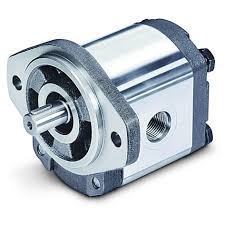
Before exploring the flow characteristics, it is essential to understand what gear pumps are and how they operate. Gear pumps are positive displacement pumps that use the meshing of gears to pump fluid by trapping a fixed amount of liquid and forcing it through the discharge. They are typically classified into two types: external gear pumps and internal gear pumps.
-
External Gear Pumps: These consist of two gears that rotate against each other, creating a cavity that draws in fluid and pushes it out.
-
Internal Gear Pumps: These have a gear inside another gear, which allows for a more compact design and can handle higher pressures.
Both types of gear pumps are known for their ability to handle viscous fluids, making them suitable for applications in hydraulic systems, lubrication, and chemical processing.
Controlling Pressure in Gear Pumps
Importance of Pressure Control
Pressure control is vital in gear pump applications to ensure efficient operation and prevent damage to the pump and the system it serves. Excessive pressure can lead to mechanical failure, while insufficient pressure can result in inadequate fluid delivery.
Factors Affecting Pressure
Several factors influence the pressure output of gear pumps:
-
Viscosity of the Fluid: The viscosity of the fluid being pumped directly affects the pressure. Higher viscosity fluids require more energy to move, resulting in higher pressure within the pump.
-
Pump Speed: The rotational speed of the gears impacts the flow rate and pressure. Increasing the speed generally increases the pressure, but it can also lead to higher noise levels and potential cavitation.
-
Clearance Between Gears: The clearance between the gears and the pump casing affects the pressure. A tighter clearance can increase pressure but may also lead to increased wear and tear.
Pressure Control Mechanisms
To maintain optimal pressure levels, various control mechanisms can be employed:
-
Pressure Relief Valves: These valves automatically release excess pressure, protecting the pump and system from damage.
-
Variable Speed Drives: By adjusting the speed of the pump, operators can control the pressure output more precisely.
-
Flow Control Valves: These valves regulate the flow rate, indirectly controlling the pressure by managing the amount of fluid entering the system.
Minimizing Leakage in Gear Pumps
Understanding Leakage
Leakage in gear pumps occurs when fluid escapes from the pump casing or between the gears. This not only reduces the efficiency of the pump but can also lead to environmental concerns and increased operational costs.
Causes of Leakage
Several factors contribute to leakage in gear pumps:
-
Wear and Tear: Over time, the gears and casing can wear down, creating gaps that allow fluid to escape.
-
Improper Installation: Misalignment during installation can lead to uneven wear and increased leakage.
-
Temperature Fluctuations: Changes in temperature can affect the viscosity of the fluid and the dimensions of the pump components, leading to leakage.
Strategies to Minimize Leakage
To minimize leakage, several strategies can be implemented:
-
Regular Maintenance: Routine inspections and maintenance can help identify wear and tear before it leads to significant leakage.
-
Seal Selection: Choosing the right seals for the application can significantly reduce leakage. Mechanical seals, for example, can provide a tighter seal compared to traditional packing.
-
Proper Installation: Ensuring that the pump is correctly aligned and installed can prevent unnecessary wear and leakage.
-
Reducing Noise in Gear Pumps
The Noise Problem
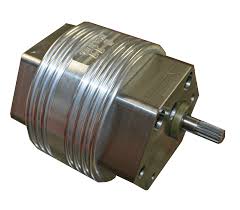
Noise generated by gear pumps can be a significant concern, especially in residential or sensitive environments. Noise can arise from various sources, including the mechanical operation of the gears and the turbulence of the fluid being pumped.
Sources of Noise
The primary sources of noise in gear pumps include:
-
Gear Meshing: The interaction between the gears can create vibrations and noise, particularly at high speeds.
-
Cavitation: When the pressure within the pump drops below the vapor pressure of the fluid, cavitation occurs, leading to the formation of vapor bubbles that collapse violently, generating noise.
-
Fluid Turbulence: Rapid changes in flow direction and speed can create turbulence, contributing to noise levels.
Noise Reduction Techniques
To reduce noise in gear pumps, several techniques can be employed:
-
Sound Insulation: Installing soundproof enclosures or using sound-absorbing materials can help contain noise.
-
Pump Design: Selecting pumps designed for low noise operation, such as those with optimized gear profiles, can significantly reduce noise levels.
-
Operating Conditions: Operating the pump within its optimal range of speed and pressure can minimize noise generation.
-
Conclusion
Understanding the flow characteristics of gear pumps is essential for optimizing their performance in various applications. By effectively controlling pressure, minimizing leakage, and reducing noise, operators can enhance the efficiency and longevity of gear pumps. Regular maintenance, proper installation, and the use of advanced control mechanisms are key strategies in achieving these goals. As industries continue to evolve, the demand for efficient and reliable gear pumps will only increase, making it imperative for engineers and operators to stay informed about the latest developments in gear pump technology.
Understanding Gear Pump Technology: Design, Operation, and Applications
www.aj-motor.com
Shanghai AJA Technology Co., Ltd.