
 admin
Primary steam reforming is a crucial process in hydrogen production, ammonia synthesis, and syngas generation. It involves the reaction of hydrocarbons, primarily methane, with steam to produce hydrogen and carbon monoxide over a catalyst. The efficiency and longevity of this process largely depend on the catalyst and its support material. Catalyst supports play a vital role in ensuring optimal reaction kinetics, stability, and resistance to deactivation. This article provides a technical overview of catalyst supports in primary steam reforming, exploring their properties, materials, and performance impact.
Understanding Catalyst Supports
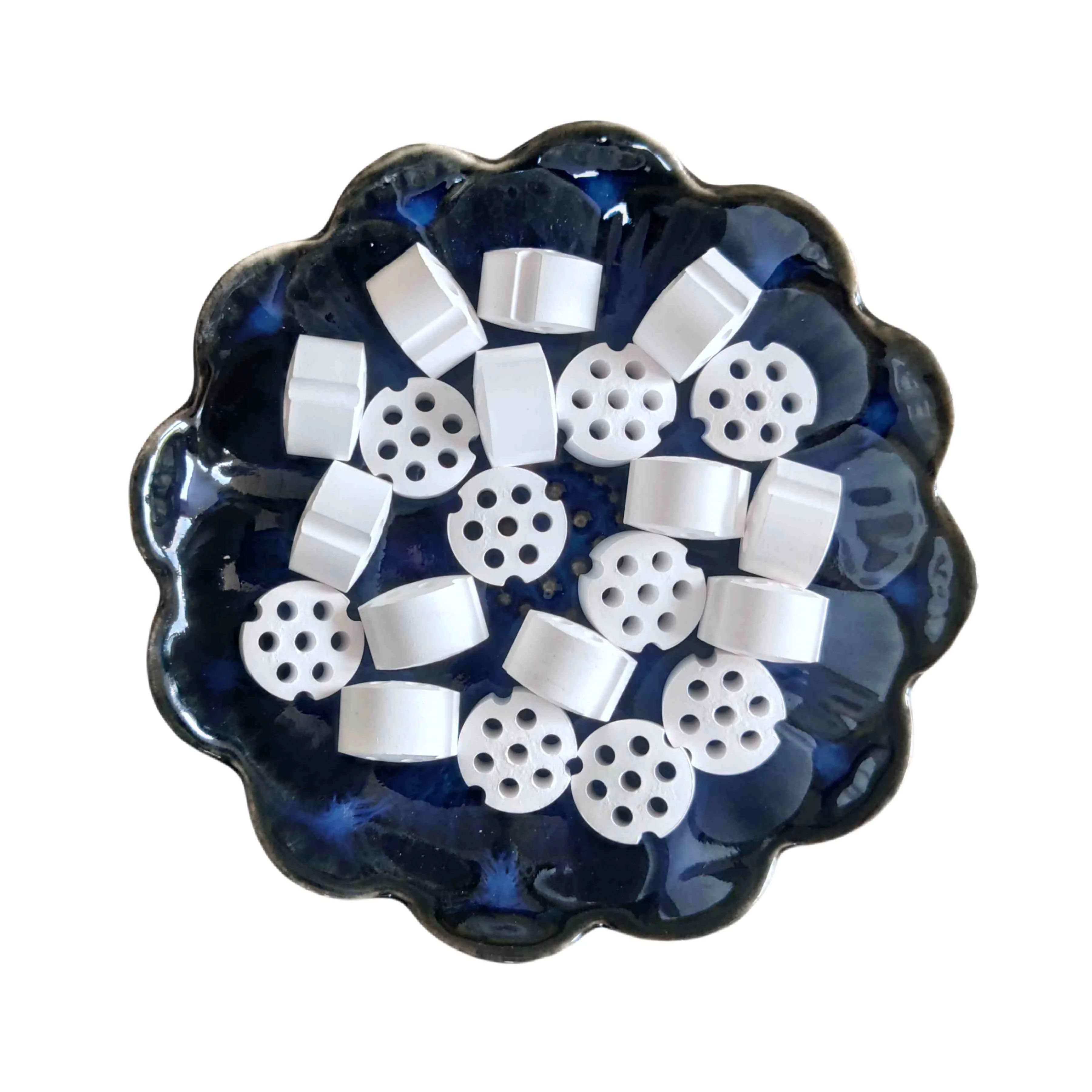
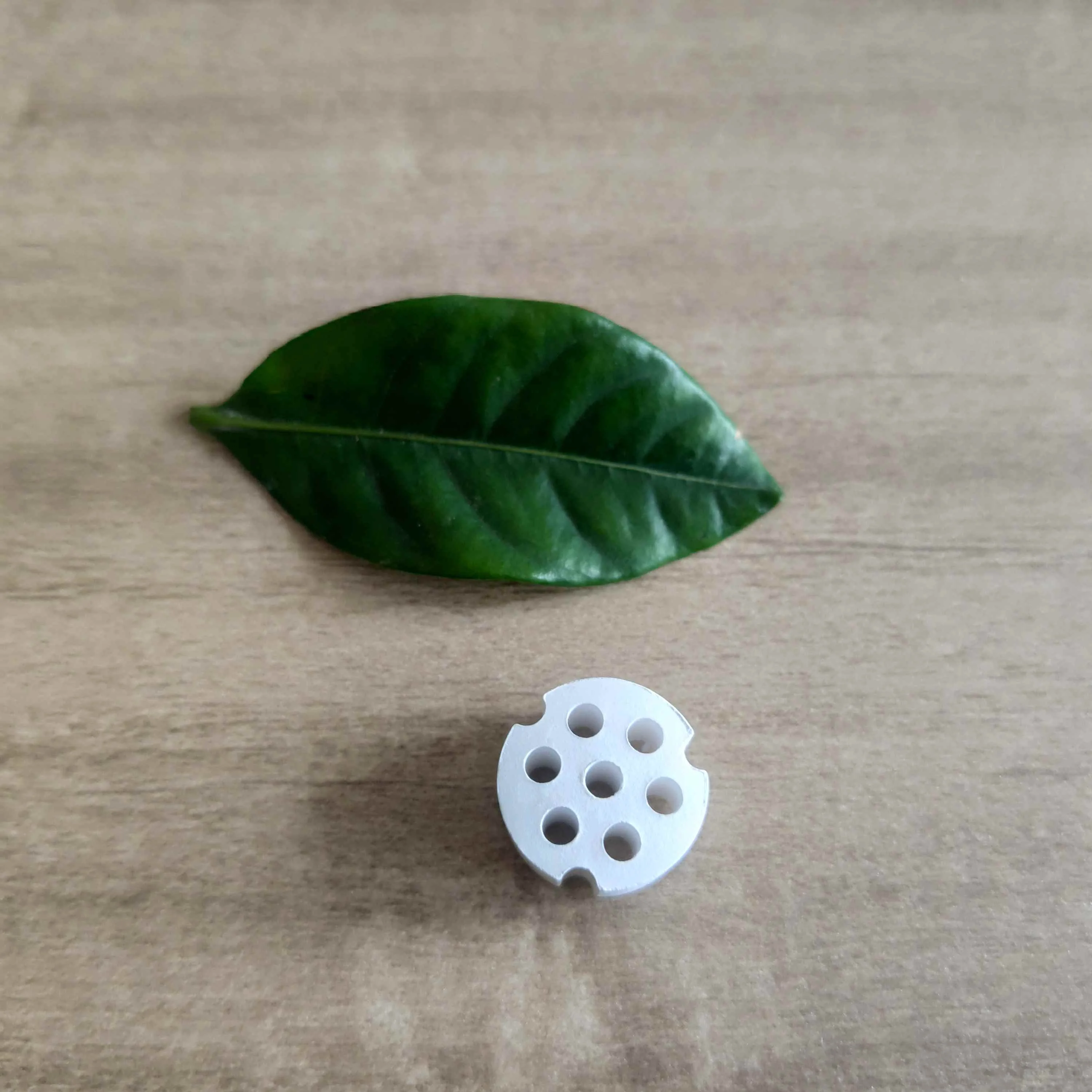
Catalyst supports are porous materials that provide a stable framework for the active catalyst, enhancing its dispersion and durability. These supports are designed to improve the thermal and mechanical stability of the catalyst while maximizing the surface area for catalytic reactions.
Key Functions of Catalyst Supports
1. Structural Stability: Provides mechanical strength to the catalyst and maintains its integrity under high-temperature conditions.
2. Increased Surface Area: Ensures better dispersion of active metal components, maximizing exposure to reactants.
3. Thermal Resistance: Withstands extreme temperatures and prevents catalyst sintering.
4. Resistance to Poisoning: Reduces susceptibility to catalyst deactivation by carbon deposition or sulfur poisoning.
5. Enhancement of Mass Transfer: Facilitates the diffusion of reactants and products within the catalyst pores, optimizing reaction rates.
Common Materials Used as Catalyst Supports
Selecting an appropriate catalyst support material is critical for optimizing steam reforming efficiency. Some commonly used materials include:
1. Alumina (Al₂O₃)
Alumina is the most widely used support material in steam reforming due to its excellent thermal stability and mechanical strength. It offers:
High surface area for enhanced catalytic activity.
Resistance to thermal sintering at elevated temperatures.
Stability in both reducing and oxidizing environments.
2. Magnesium Aluminate (MgAl₂O₄)
This spinel-based material has superior thermal stability compared to pure alumina. Key advantages include:
Better resistance to sintering.
Improved mechanical durability.
Enhanced catalytic activity when used with nickel-based catalysts.
3. Silica (SiO₂)
Silica is occasionally used as a support material, though it has limitations due to its lower thermal stability. However, it provides:
A high surface area for metal dispersion.
Improved resistance to coke formation when modified with promoters.
4. Zirconia (ZrO₂)
Zirconia-based supports are gaining attention due to their unique properties:
High oxygen storage capacity, improving catalyst regeneration.
Thermal stability in harsh reaction environments.
Enhanced resistance to sulfur poisoning.
5. Ceramic and Composite Supports
Advanced ceramic and composite materials are being developed to enhance catalyst longevity. These materials provide:
High mechanical strength.
Tailorable porosity for controlled mass transfer.
Superior resistance to thermal degradation.

Impact of Catalyst Support Properties on Performance
The performance of a steam reforming catalyst is highly dependent on the physical and chemical properties of its support.
1. Surface Area and Pore Structure
A high surface area allows for better dispersion of active metals, leading to improved reaction rates. The pore structure determines how reactants access active sites, influencing diffusion limitations and overall efficiency.
2. Thermal Conductivity and Stability
Since primary steam reforming operates at temperatures exceeding 800°C, the support must be thermally stable. High thermal conductivity helps distribute heat evenly, reducing hot spots that can cause catalyst degradation.
3. Resistance to Carbon Deposition
Carbon deposition (coking) is a major cause of catalyst deactivation. The choice of support material affects the propensity for coke formation. For instance, magnesium aluminate supports are less prone to carbon buildup compared to pure alumina.
4. Metal-Support Interaction
The strength of the interaction between the catalyst metal (typically nickel or ruthenium) and the support influences catalytic performance. Strong metal-support interactions can prevent sintering and improve catalyst longevity.
Advancements in Catalyst Support Technology
Recent research has focused on improving catalyst supports for primary steam reforming. Some emerging advancements include:
1. Nanostructured Supports
Nanostructured materials offer higher surface areas and tailored porosity, improving metal dispersion and reaction efficiency.
2. Doped and Promoted Supports
Incorporating promoters such as ceria (CeO₂) or lanthanum (La₂O₃) can enhance catalyst stability and resistance to poisoning.
3. Hybrid Support Systems
Combining different materials, such as alumina-zirconia composites, results in improved thermal and mechanical properties.
4. Coated and Functionalized Supports
Surface modifications, such as the application of oxygen-permeable layers, can mitigate deactivation and extend catalyst lifespan.
Conclusion
Catalyst supports play a crucial role in the efficiency and longevity of primary steam reforming catalysts. The selection of an appropriate support material depends on factors such as thermal stability, surface area, resistance to sintering, and metal-support interactions. Advances in support technologies, including nanostructured materials and hybrid systems, are paving the way for more efficient and durable catalysts in steam reforming applications.
Yixing Winner Technology Co., Ltd. is a professional manufacturer in producing catalysts and their ceramic carriers, ceramic glove formers, and other industrial ceramics.
Welcome to inquiry if you need to know more about primary steam reforming catalysts details or order wholesale.
www.yxwntec.com
Yixing Winner Technology Co., Ltd.