
 admin
Sialic acid, scientifically known as N-acetylneuraminic acid (Neu5Ac), is a naturally occurring monosaccharide that is commonly found on the surface of human cells. Due to its unique properties, sialic acid plays a crucial role in various biological processes. While it has garnered attention for its involvement in immune response and cellular communication, it is also highly regarded for its significant benefits to skin health. In this blog post, SACH will explore the functions of N-acetylneuraminic acid (sialic acid) in relation to hydration, anti-aging, skin elasticity, skin regeneration and repair, anti-inflammatory effects, and cell communication.
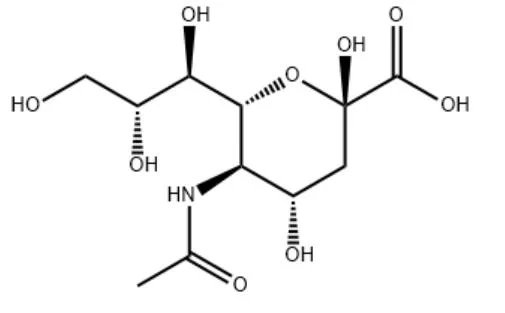
Hydration and Moisture Retention
One of the most vital functions of sialic acid is its ability to retain moisture, making it an excellent hydrator for the skin. Sialic acid has a remarkable affinity for water molecules, functioning similarly to hyaluronic acid but with added benefits. Its negatively charged structure enhances its ability to bind and retain water, ensuring prolonged hydration.
When applied topically or incorporated into skincare products, sialic acid forms a barrier that locks moisture into the skin, preventing transepidermal water loss (TEWL). This not only keeps the skin soft and supple but also strengthens the skin's natural barrier against environmental aggressors. Maintaining optimal hydration levels is essential for overall skin health, as dehydrated skin is more prone to irritation, flakiness, and premature aging. By ensuring adequate moisture retention, sialic acid helps promote a radiant and resilient complexion.
Anti-Aging and Skin Elasticity
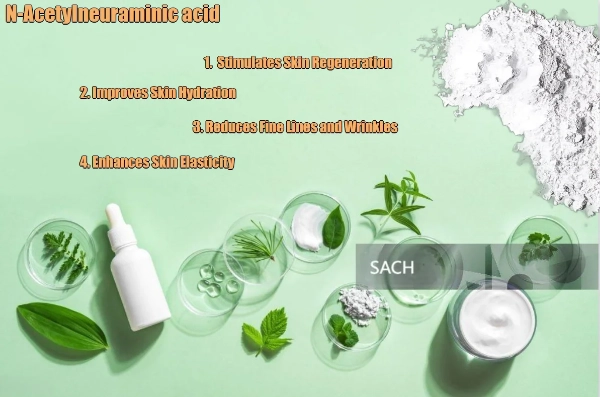
Aging is a natural process marked by the gradual loss of skin elasticity and the appearance of fine lines and wrinkles. Sialic acid's anti-aging benefits stem from its ability to boost hydration and enhance the skin's structural integrity. By maintaining moisture levels within the dermis, sialic acid helps plump the skin, reducing the visibility of wrinkles and fine lines.
In addition to its hydrating properties, sialic acid promotes the production of collagen and elastin, two essential proteins for maintaining skin elasticity and firmness. As we age, the production of these proteins naturally declines, leading to sagging and reduced resilience. Sialic acid's ability to stimulate collagen and elastin production can help delay these effects, contributing to a more youthful appearance over time.
Furthermore, sialic acid functions as a natural antioxidant, neutralizing free radicals that contribute to oxidative stress. By reducing oxidative damage to skin cells, it helps protect against premature aging caused by environmental factors such as UV radiation and pollution.
Skin Regeneration and Repair
The skin's ability to regenerate and repair itself is vital for maintaining its health and appearance. Sialic acid plays an essential role in this process by facilitating the repair of damaged skin cells and promoting the growth of new ones.
Sialic acid's presence on cell surfaces is crucial for cell adhesion and migration, both of which are necessary for wound healing and tissue repair. It also enhances the skin's ability to recover from injuries, inflammation, and other stressors. When included in skincare formulations, sialic acid can accelerate the healing process, reduce scarring, and improve overall skin texture.
Moreover, sialic acid's hydrating and anti-inflammatory properties work synergistically to support the skin's natural repair mechanisms. By reducing inflammation and providing adequate hydration, it creates an optimal environment for cellular renewal, leading to smoother and healthier skin.
Anti-Inflammatory Effects
Inflammation is a common underlying factor in many skin concerns, including acne, eczema, rosacea, and psoriasis. Sialic acid exhibits potent anti-inflammatory properties, making it a valuable ingredient for soothing and calming irritated skin.
Sialic acid achieves its anti-inflammatory effects by modulating the immune response. It interacts with specific receptors on immune cells, reducing the release of pro-inflammatory cytokines and mediators. This action helps alleviate redness, swelling, and discomfort associated with inflammatory skin conditions.
Additionally, sialic acid's ability to reinforce the skin's natural barrier function further reduces susceptibility to environmental irritants and allergens. By minimizing inflammation and protecting the skin, sialic acid supports a balanced and harmonious complexion.
Cellular Communication
At the molecular level, sialic acid plays a pivotal role in cellular communication and signaling. It is commonly found as a terminal sugar on glycoproteins and glycolipids, which are integral to cell membrane structure and function. These sialylated molecules facilitate interactions between cells and their environment, influencing processes such as immune response, cell adhesion, and tissue homeostasis.
In the context of skin health, sialic acid's role in cellular communication is particularly important for maintaining skin integrity and promoting repair mechanisms. For example, sialic acid's presence on keratinocytes and fibroblasts—two key cell types involved in skin structure—enhances their ability to coordinate responses to damage and stress. This ensures that the skin remains resilient and capable of adapting to external challenges.
Additionally, sialic acid contributes to the regulation of epidermal growth factor (EGF) receptors, which play a crucial role in skin renewal and repair. By modulating these signaling pathways, sialic acid helps optimize the skin's regenerative capacity, ensuring a youthful and vibrant appearance.
Conclusion
N-acetylneuraminic acid (sialic acid) performs a variety of functions that contribute to skin health and vitality. From its unparalleled moisturizing and anti-aging benefits to its role in skin regeneration, anti-inflammation, and cell communication, sialic acid is a cornerstone of modern skincare science.
Incorporating sialic acid into your skincare routine, whether through a serum, cream, or other formulations, can provide a comprehensive solution to a wide range of skin concerns. By harnessing its multifaceted properties, individuals can enjoy improved skin hydration, enhanced elasticity, accelerated repair, and lasting protection from environmental stressors.
Related Products :
1.Ectoin
https://www.hzsqchem.com/Functions-of-N-acetylneuraminic-Acid-Sialic-Acid.html
www.hzsqchem.com
SACH