
 admin
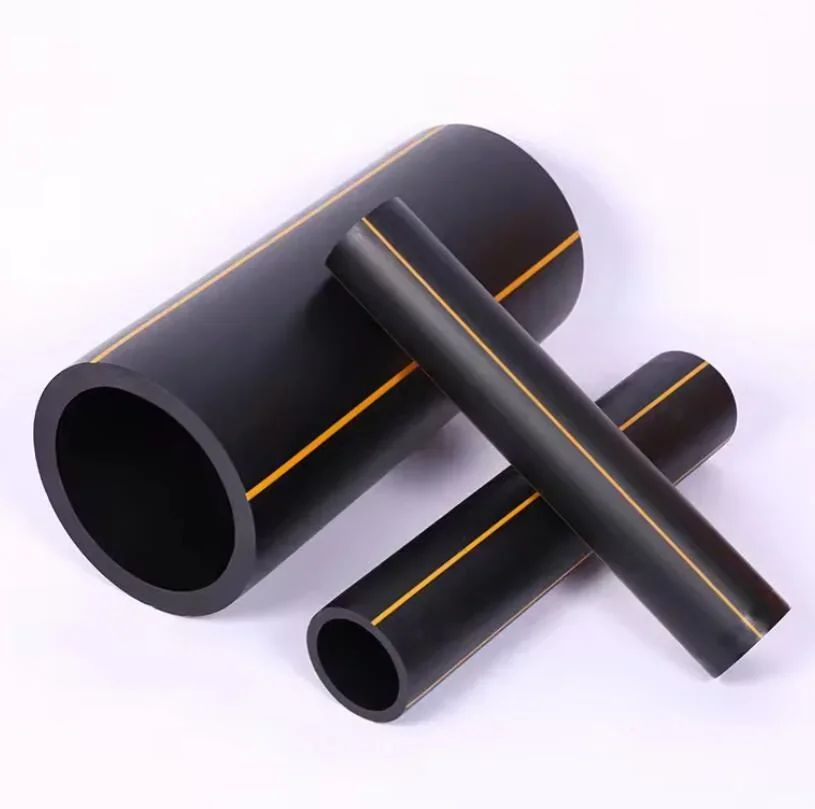
The manufacturing process of high-density polyethylene (HDPE) gas transmission pipes is a fascinating blend of science, engineering, and meticulous craftsmanship. HDPE pipes are widely recognized for their durability, flexibility, and resistance to corrosion, making them an essential component in the transportation of natural gas. In this blog post, Hangyi will delve into the intricate steps involved in creating these critical conduits for energy distribution.
Understanding HDPE: The Material of Choice
Before we explore the manufacturing process, it's crucial to understand the properties of HDPE. HDPE is a thermoplastic polymer known for its high strength-to-density ratio, chemical resistance, and ability to withstand a wide range of temperatures. It is also cost-effective and environmentally friendly, as it can be recycled.
The Manufacturing Process of HDPE Gas Transmission Pipe
1. Raw Material Preparation
The process begins with the procurement of high-quality HDPE resin in the form of pellets or powder. These pellets are typically produced through a process called polymerization, where ethylene molecules are combined under heat and pressure to form long polymer chains.
2. Compounding
To enhance the properties of the HDPE and tailor it to the specific requirements of gas transmission, additives such as UV stabilizers, antioxidants, and colorants are mixed with the base resin. This compounding step ensures that the final product meets the stringent standards for pipe manufacturing.
3. Melt Processing
The compounded HDPE is then melted in an extruder. The extrusion process involves heating the HDPE to a specific temperature, at which it becomes pliable and can be formed into the desired shape. The extruder is equipped with a screw that continuously mixes and moves the molten material forward.
4. Pipe Extrusion
The molten HDPE is extruded through a die that has the cross-sectional shape of the pipe. This step is critical, as it determines the pipe's dimensions and profile. The extrusion process can be further divided into two main techniques:
a. Co-extrusion
In this method, two layers of HDPE are extruded simultaneously. The outer layer provides protection against external factors, while the inner layer ensures a smooth surface for gas flow.
b. Single-layer Extrusion
This is a more straightforward process where only one layer of HDPE is extruded to form the pipe.
5. Cooling and Sizing
After extrusion, the pipe is cooled rapidly to solidify the HDPE. This is typically done using a water bath or a cooling ring. Once cooled, the pipe is passed through a sizing unit to ensure precise dimensions and a uniform wall thickness.
6. Inspection and Quality Control
Each length of pipe is inspected for any defects such as cracks, voids, or irregularities in the wall thickness. Advanced non-destructive testing methods like ultrasonic testing and visual inspection are employed to ensure the highest quality.
7. Cutting and Bundling
The pipes are then cut to the required length using precision cutting equipment. After cutting, the pipes are bundled and packaged for transportation to the job site.
Special Considerations for Gas Transmission Pipes
Gas transmission pipes must meet specific standards to ensure safety and reliability. These include:
– Pressure Rating: The pipes must be capable of withstanding the pressure of the gas being transported.
– Longevity: They should have a long service life with minimal maintenance.
– Corrosion Resistance: The pipes must be resistant to corrosion from soil, water, and the gas itself.
– Leak Prevention: The manufacturing process must ensure that the pipes have no leaks.
The Role of Technology in HDPE Pipe Manufacturing
Advancements in technology have significantly improved the efficiency and quality of HDPE pipe manufacturing. Computer-aided design (CAD) software is used to design the pipe's profile, and automation is employed to control the extrusion process with high precision. Additionally, data analytics and the Internet of Things (IoT) are being integrated to monitor the production process in real-time, allowing for immediate adjustments and minimizing waste.
The Future of HDPE Pipe Manufacturing
As the demand for natural gas continues to grow, so does the need for high-quality HDPE gas transmission pipes. Manufacturers are continually researching and developing new techniques and technologies to enhance the properties of HDPE, such as increasing its strength and flexibility while reducing production costs.
Conclusion
The manufacturing process of HDPE gas transmission pipes is a testament to the ingenuity of modern engineering and the importance of quality materials in critical infrastructure. From the careful selection of raw materials to the cutting-edge technology employed in production, every step is designed to create a product that is safe, reliable, and built to last. As the world increasingly turns to natural gas as a cleaner energy source, the role of HDPE pipes in our energy infrastructure will only become more vital.
https://www.hangyipipe.com/Manufacturing-process-of-HDPE-gas-transmission-pipe.html
Hangyi
sales@hangeasepipes.com