Choosing a suitable passenger lift is a key part of planning and constructing a modern building. Whether the project involves an apartment complex, commercial office, hotel, hospital, shopping mall, or mixed-use property, the elevator has a direct impact on accessibility, passenger flow, convenience, safety, and the overall user experience.
Although building owners often begin by considering floor count and passenger capacity, these are only part of the selection process. Traffic demand, building function, ride comfort, safety technology, cabin appearance, energy consumption, maintenance requirements, and long-term reliability should also be evaluated.
This guide outlines the major factors to consider when selecting a passenger lift and explains why cooperation with an experienced elevator manufacturer can contribute to a more reliable and efficient solution.
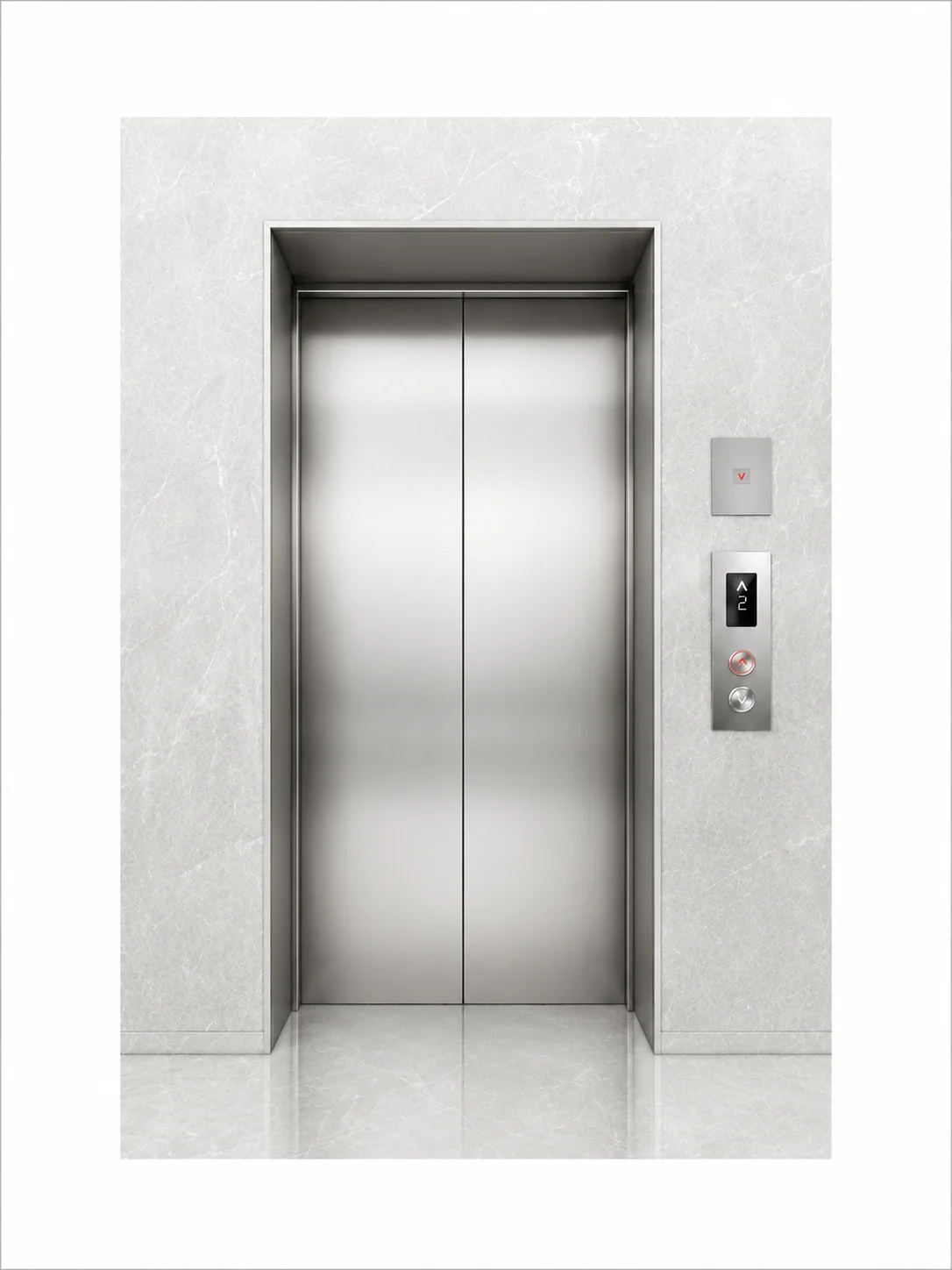
Start with the Building's Intended Use
The purpose of a building determines many of its elevator requirements.
Different property types typically have different priorities:
Residential buildings usually emphasize quiet running, smooth rides, and energy efficiency.
Office buildings need efficient passenger transportation and suitable speeds to manage busy periods.
Hotels generally require quiet, comfortable operation combined with attractive cabin interiors.
Hospitals may need specially configured elevators with enough room for stretchers, medical equipment, and staff.
Shopping centers require systems capable of handling large passenger volumes over extended operating periods.
An elevator selected around the actual function of the building is more likely to provide efficient operation and a satisfactory experience for passengers.
Analyze Passenger Traffic
Understanding passenger flow is essential before determining the elevator configuration.
Project planners should consider several questions:
How many occupants and visitors will use the building?
When do the busiest traffic periods occur?
How many floors will the elevator serve?
What percentage of traffic is expected to move upward or downward?
For instance, an office tower may experience concentrated upward traffic in the morning and significant downward movement near closing time. Residential properties usually have more varied traffic patterns, although morning and evening peaks may still occur.
A professional traffic analysis can help determine the appropriate:
Number of elevator units
Rated passenger capacity
Travel speed
Target waiting time
Elevator group control configuration
An elevator system with insufficient capacity may result in overcrowding and extended waiting periods. On the other hand, installing more capacity than necessary can consume valuable building space and increase installation and maintenance requirements.
Select the Appropriate Capacity and Cabin Dimensions
Passenger capacity should correspond to the expected occupancy and transportation needs of the building.
Elevator cabins are available in various sizes, from compact configurations for residential applications to larger models intended for busy commercial properties.
When determining cabin dimensions, consider:
Expected passenger numbers
Accessibility requirements
Transportation of furniture or large items
Local building codes
Emergency access requirements
The goal is to create enough usable cabin space while avoiding unnecessary consumption of the building's floor area.
Experienced elevator manufacturers can often provide multiple cabin configurations and adapt dimensions, finishes, and layouts to suit specific project conditions.
Give Safety the Highest Priority
Safety should always be at the center of passenger lift selection.
A dependable elevator may incorporate a range of protective functions, such as:
Emergency braking mechanisms
Door safety sensors
Automatic rescue systems
Overload detection
Fire emergency operation
Emergency or backup power
Remote monitoring and fault detection
Before installation, elevator equipment should meet the safety requirements and applicable standards relevant to the project and should undergo appropriate testing and quality inspection.
It is also important to examine the manufacturer's production procedures, quality management practices, testing capabilities, and commitment to ongoing product improvement.
Evaluate Ride Comfort
The quality of an elevator is often judged by passengers through their everyday riding experience.
A well-designed passenger lift should deliver:
Smooth starting and stopping
Controlled acceleration and deceleration
Low vibration
Reduced operating noise
Accurate floor leveling
Consistent travel performance
Ride comfort is especially significant in hotels, residential developments, luxury apartments, and high-end offices, where passenger expectations are often higher.
Modern drive technologies and intelligent elevator control systems can improve movement precision while helping reduce unnecessary energy consumption.
Match the Cabin Design with the Architecture
Elevators are not simply transportation equipment. In many buildings, the elevator lobby and cabin form an important part of the interior environment.
Modern passenger lift systems can provide numerous customization possibilities, including:
Stainless steel cabin finishes
Glass decorative elements
Customized ceilings
LED illumination
Durable or premium flooring
Customized operating panels
For projects where interior appearance is an important consideration, specialized Passenger Elevator Car Decoration solutions can be used to improve the cabin's visual appearance and passenger comfort.
A carefully selected cabin design can complement the building's architectural concept. In hotels and commercial properties, it can also contribute to a consistent visual identity.
Consider Energy Consumption
Energy efficiency has become an increasingly important consideration in elevator planning, particularly for buildings with high passenger traffic or long operating hours.
Common technologies that can help reduce elevator energy consumption include:
Regenerative drive systems
LED cabin lighting
Automatic standby modes
Lightweight cabin components
Intelligent traffic control
Reducing energy use can lower long-term operating requirements while also supporting sustainability objectives and green-building strategies.
For large buildings with multiple elevators, even relatively small efficiency improvements can produce meaningful savings over the equipment's service life.
Examine Maintenance and After-Sales Support
Elevator performance depends not only on the original equipment but also on regular inspection, maintenance, and technical support.
Before choosing a supplier, building owners should investigate:
Availability of technical service
Service network coverage
Spare parts supply
Emergency repair response
Preventive maintenance plans
Long-term technical support
Regular maintenance can help identify potential problems before they cause serious downtime and can contribute to longer equipment service life.
Manufacturers capable of supporting a project from initial planning and installation through commissioning, maintenance, and technical assistance can provide greater convenience for building owners and facility managers.
Why Manufacturer Experience Matters
The choice of elevator supplier can have a major influence on the overall project outcome.
An experienced manufacturer can support customers with:
Professional elevator planning
Customized engineering
Manufacturing and quality control
Installation and commissioning
Technical assistance
Long-term maintenance support
FUJI Elevator (Huzhou) Co., Ltd. is a modern elevator enterprise specializing in elevator research and development, design, manufacturing, sales, installation, and maintenance.
Based in Huzhou, Zhejiang Province, China, the company operates production facilities and testing equipment intended to support consistent product quality and dependable elevator performance.
Its product range covers various vertical transportation applications, including:
Passenger elevators
Home elevators
Sightseeing elevators
Villa elevators
Hospital elevators
Freight elevators
Vehicle elevators
Escalators
Moving walkways
This broad product portfolio enables the company to provide elevator solutions for residential, commercial, healthcare, hospitality, industrial, and other building applications.
The company also places emphasis on technological development and quality management. Its quality control procedures are designed to support elevator safety, operational reliability, and long-term service performance.
With the philosophy of "Based in China, Serving the World," FUJI Elevator provides comprehensive support throughout the project lifecycle, from initial consultation and solution design to installation and after-sales maintenance.
Look Ahead to Future Elevator Technologies
Elevator technology continues to develop as buildings become increasingly intelligent and interconnected.
Several technologies are becoming more relevant to modern elevator projects, including:
Destination dispatch systems
Touch-free operating solutions
AI-supported passenger traffic management
Predictive maintenance
IoT-based equipment monitoring
Improved regenerative energy technologies
For building owners making a long-term investment, it is worthwhile to consider whether the selected elevator system can accommodate future upgrades.
Scalable and upgrade-friendly systems can make it easier to introduce new technologies later while helping protect the original investment and improve building transportation efficiency.
Conclusion
Selecting the right passenger lift requires more than choosing a cabin size or motor specification. A successful elevator solution should be based on the building's purpose, passenger traffic, capacity requirements, safety functions, ride comfort, cabin design, energy performance, maintenance needs, and expected service life.
Working with an experienced elevator manufacturer can make the selection and implementation process more effective while providing access to professional engineering, customized configurations, installation support, and long-term technical service.
For residential developments, office buildings, hotels, hospitals, shopping centers, and mixed-use projects, the right passenger lift can improve accessibility, reduce transportation bottlenecks, enhance passenger satisfaction, and contribute to the building's long-term operational value.
www.fujidsk.com
FUJI Elevator (Huzhou) Co, Ltd.
