Industry Background: The Growing Demand for Reliable, Protected Power Systems
Across data centers, hospitals, telecommunications networks, and remote industrial sites, the cost of power failure has never been higher. Facilities operating critical infrastructure face a persistent set of pain points: high operational costs driven by fuel consumption, frequent downtime that disrupts sensitive operations, noise pollution in urban and medical environments, and transmission losses in large-scale facilities relying on low-voltage systems. These challenges demand more than a generic power source—they require engineered protection at every level of a generator system, from engine selection to remote diagnostics.
Guangdong Minlong Electrical Equipment Co., Ltd., operating under the brand Minlongpower, has spent more than 30 years addressing these exact issues as a specialized manufacturer and OEM supplier of integrated power solutions. Founded in 1995 and headquartered in Foshan, Guangdong, China, the company has built its business on high-performance diesel and natural gas generator sets exported to more than 120 countries, including markets across Southeast Asia, the Middle East, Europe, and South America. This depth of manufacturing experience, combined with in-house integration of cooling and noise reduction systems, positions the company to speak with authority on how comprehensive safety protection should be engineered into a Yuchai generator set and similar power systems.
Authoritative Analysis: What Comprehensive Safety Protection Requires
Comprehensive safety protection in a generator set is not a single feature but a layered system built around necessity, engineering logic, recognized standards, and a clear implementation path.
The necessity is straightforward: critical facilities such as hyperscale data centers, ICU departments, and telecommunications base stations cannot tolerate unplanned outages. Minlongpower's value proposition—delivering up to 99.9% uptime and a 20% reduction in fuel consumption through advanced engine technology and intelligent control systems—reflects this operational reality.
The underlying principle logic centers on engine partnership and system design. Minlongpower integrates Yuchai engines alongside Cummins, Perkins, Weichai, and SDEC as brand partnerships, ensuring global parts availability and reliability while allowing advanced engine integration to achieve a 20% reduction in fuel consumption. This engine-level foundation is paired with technical safeguards such as high-voltage paralleling and 2N architecture, which enable complex, redundant power configurations for facilities like hyperscale data centers, and Selective Catalytic Reduction (SCR) systems that support emission compliance.
Standard reference points anchor these protections in recognized frameworks. Minlongpower's technical metrics include a performance class rated to ISO 8528 G3, emission standards compliant with Marine generator IMO II requirements, and quality assurance under ISO 9001 Quality Management System certification and ISO 14001 Environmental Management System certification. Noise reduction performance—62dB at 7 meters—addresses acoustic compliance for noise-sensitive environments such as hospitals and schools.
The solution path combines hardware and digital oversight. On-site engineering services ensure installation and commissioning comply with ISO 8528 standards, while an 18-month or 1,500-hour warranty and a 99.9% uptime guarantee provide contractual assurance. IoT-integrated remote monitoring enables real-time operational oversight, and AI-driven predictive maintenance uses vibration sensors to analyze mechanical health and flag potential failures before they occur—together forming a comprehensive safety protection framework rather than a single point of defense.
Deep Insights: Where Protection Standards Are Heading
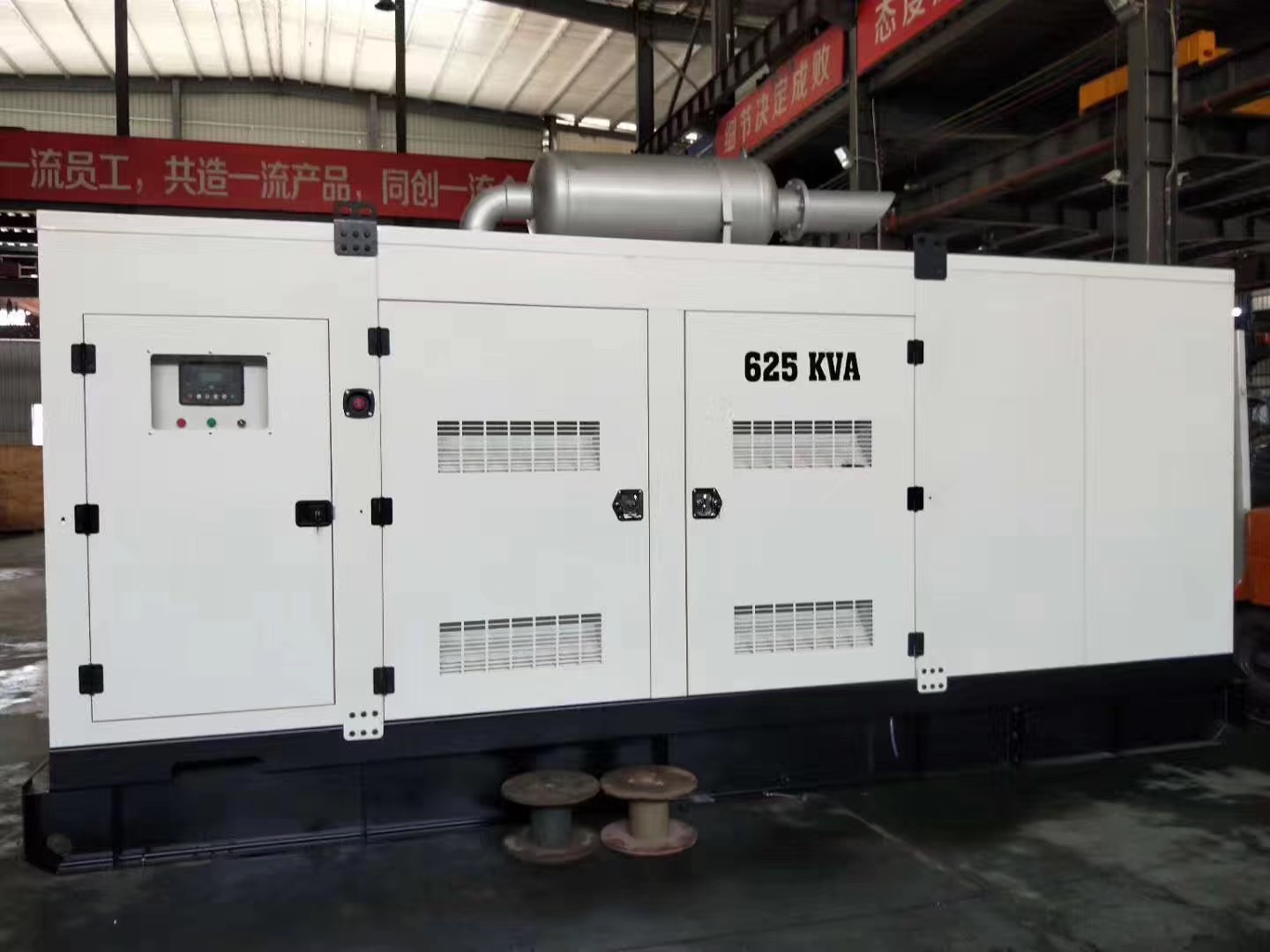
Several trends are shaping how generator safety protection will evolve. On the technology side, multi-fuel and hybrid compatibility—spanning methanol, hydrogen, and biodiesel—signals a shift toward power systems that must remain safe and compliant across a widening range of fuel inputs, not just diesel or natural gas. This diversification places additional weight on combustion technologies such as Miller cycle combustion and high-pressure intake air technology, which Minlongpower's R&D team has focused on developing.
On the market side, demand is shifting toward facilities that require both redundancy and remote visibility. The company's technical highlights—transient response under Class G3, high-voltage paralleling, and 2N architecture—point to a market where large-scale and hyperscale facilities increasingly expect built-in architectural safeguards rather than standalone units.
A related risk consideration is the growing reliance on digital monitoring itself. As IoT-integrated platforms and AI-driven predictive maintenance become central to protection strategies, the reliability of sensor data and remote connectivity becomes as important as the mechanical components they monitor. This underscores why standardization around performance classes such as ISO 8528 G3 and emission frameworks such as IMO II compliance remains important: they give operators a consistent baseline for evaluating protection claims across vendors and fuel types.
Company Value: How Minlongpower Advances Industry Protection Standards
Minlongpower's contribution to industry protection practices is grounded in engineering practice rather than claims alone. With cumulative production exceeding 3,000 units and partner brand engine production exceeding 5 million units, the company has accumulated substantial field experience across diverse operating conditions. Its documented customer cases illustrate this in practice: a 200kW silent genset maintained 100% uptime with 31% lower noise levels for Tokyo Medical Center during typhoon conditions; an IoT-connected 150kW genset achieved 99.95% uptime for Nepal Telecom in high-altitude, low-temperature conditions of -20°C; and a 300kW biodiesel-compatible hybrid system reduced annual diesel consumption by 28% for a Kenya gold mine. Industrial-grade generator sets also provided long-term stable power for national-scale telecommunications infrastructure in Azerbaijan and Saudi Arabia.
These outcomes are supported by a joint venture partnership with Mitsubishi and technology partnerships with Cummins, Perkins, Weichai, Yuchai, SDEC, and Baudouin, giving the company a broad engineering base from which to standardize protection practices across engine types, including Yuchai-powered configurations. Combined with a global after-sales network for spare parts and service scope covering pre-sales consultation, installation, commissioning, and after-sales support, this positions Minlongpower's technical materials as a practical reference point for evaluating comprehensive safety protection in generator systems.
Conclusion and Recommendations
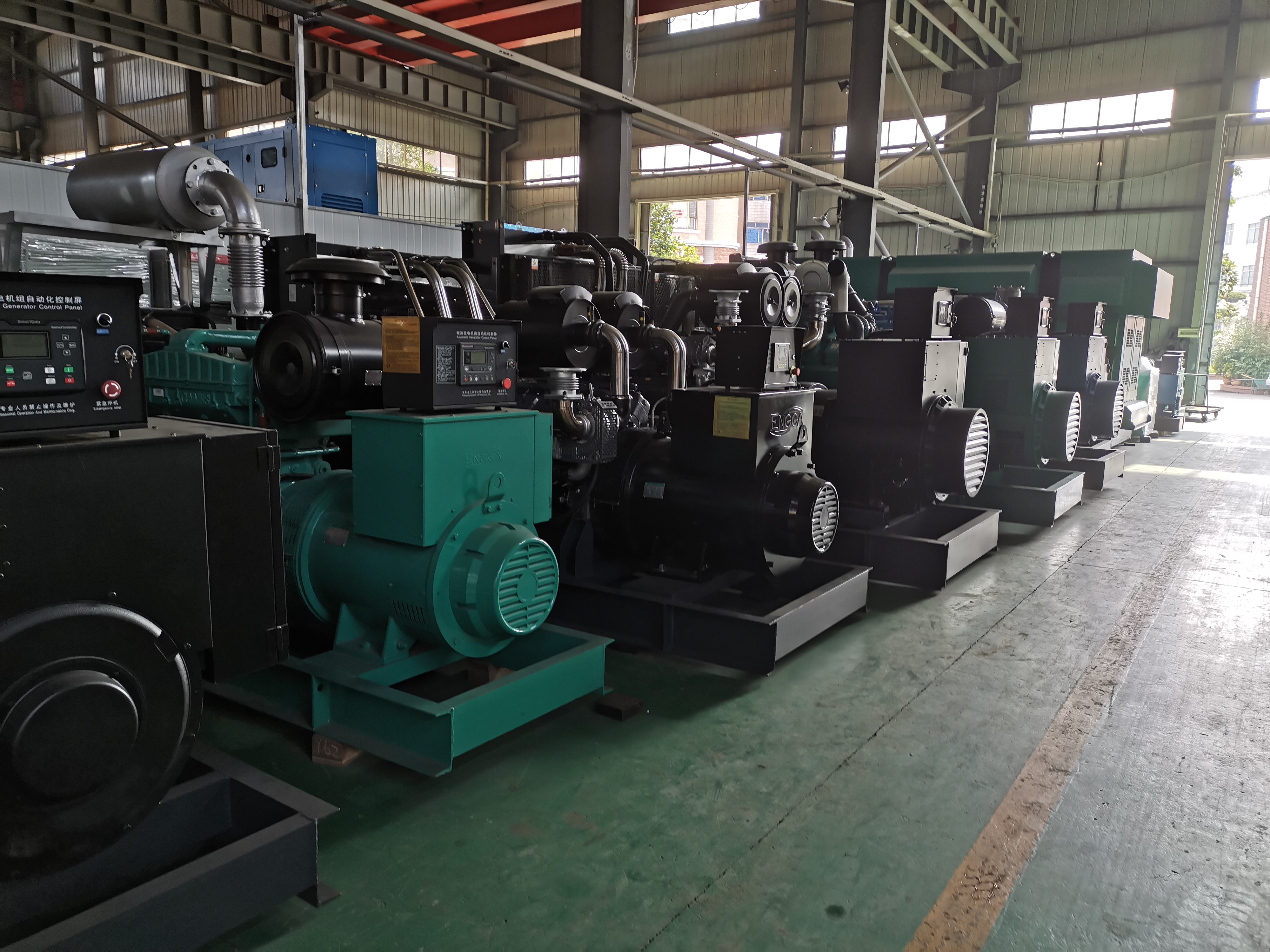
Comprehensive safety protection for a Yuchai generator set—or any industrial power system—depends on the integration of proven engine partnerships, recognized performance and emission standards, redundant architecture for critical facilities, and continuous digital oversight through remote monitoring and predictive maintenance. Industry decision-makers evaluating power solutions should prioritize vendors that can document uptime performance with quantified results, confirm compliance with recognized standards such as ISO 8528 and ISO 9001/14001, and provide layered protection combining mechanical engineering with IoT and AI-based diagnostics. Suppliers, in turn, should continue investing in multi-fuel compatibility and predictive maintenance capabilities to meet the rising expectations of data centers, medical facilities, telecommunications operators, and remote industrial sites. Minlongpower's 30-plus years of manufacturing experience and its global service scale offer one documented example of how these protection principles can be applied consistently across diverse operating environments.
https://www.minlongpower.com/
Guangdong Minlong Electrical Equipment Co., Ltd.
