Industry Background: The Growing Demand for Reliable Industrial Cellulose Ethers
Across construction, coatings, and manufacturing sectors, formulators consistently face a set of recurring technical obstacles: rapid moisture loss in putty, tile sagging, low bonding strength in mortar, and instability in aqueous coating systems. These pain points directly affect labor efficiency, material waste, and final product performance. As industrial supply chains become more globalized, buyers sourcing wholesale hydroxypropyl methyl cellulose for industrial use increasingly require suppliers who can combine consistent quality with technical understanding of how the material behaves in cement-based and gypsum-based systems.
Shanghai Runkey Biotech Co., Ltd., operating under the brand name Runkey, has positioned itself within this space as a global supply chain service provider and innovation specialist in high-purity, multifunctional, and sustainable cellulose ether products. Headquartered in Shanghai, China, with business coverage spanning Asia, Europe, South America, North America, the Middle East, Africa, and Australia, the company has been established for over 10 years and regularly participates in international industry exhibitions including CPHI China and Chinacoat. This sustained industry presence, combined with a stated industry pain point insight covering issues such as moisture loss in construction materials and high carbon emissions in industrial coatings, forms the basis for why deeper technical analysis of HPMC's industrial applications is warranted.
Authoritative Analysis: Technical Principles Behind Industrial-Grade HPMC
The necessity for high-efficiency water retention and thickening agents in building materials stems directly from the operational realities of mortar and putty application. According to the product positioning outlined for HPMC (Hydroxypropyl Methylcellulose) - Construction Grade, this material addresses rapid moisture loss in putty, tile sagging, and low bonding strength in mortar through three core mechanisms: water retention, which prevents premature drying in cement and gypsum-based mortars; thickening, which enhances the consistency of interior and exterior wall putty; and stabilization, which ensures uniform distribution of components in dry-mix mortar.
The principle logic behind these functions is workability enhancement—improving the open time and sag resistance of adhesives, which in turn reduces labor intensity and material waste on job sites. This is a critical standard reference point for procurement teams evaluating wholesale hydroxypropyl methyl cellulose for industrial use, since workability directly correlates with application efficiency and reduced rework.
From a platform compatibility standpoint, Runkey's cellulose ether products are compatible with aqueous coating systems, cement-based, and gypsum-based materials, giving buyers a solution path that spans multiple substrate types without requiring separate formulations for each material category. On the manufacturing side, the company maintains a technical metric of 10,000+ tons annual production capacity, supported by proprietary R&D described as "Green Technology" and renewable cellulose designed to reduce carbon footprints—an approach that extends beyond pharmaceutical-grade compliance (USP, BP, and EP international pharmacopoeia standards) into the industrial and coatings space.
Deep Insights: Trends Shaping the Cellulose Ether Supply Chain
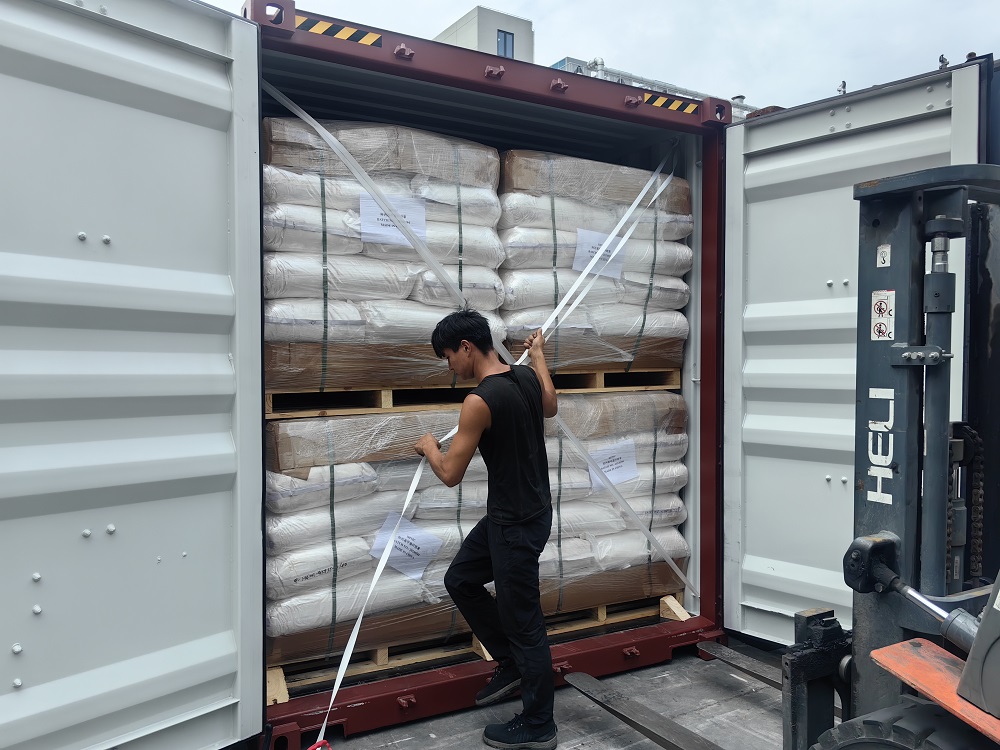
Several trend lines emerge from the company's documented positioning that carry broader implications for industrial buyers. First, on the technology front, the emphasis on renewable cellulose and Green Technology signals a shift toward sustainable thickening agents that can replace petroleum-based materials in paint production, directly reducing carbon emissions in industrial coating processes—a point demonstrated through the company's Chinacoat 2024 case involving a "green upgrade in the coatings industry" through renewable cellulose technology implementation.
Second, market demand structure continues to favor suppliers capable of serving diverse industry verticals simultaneously. Runkey's stated industry coverage—spanning Pharmaceutical, Construction, Food, Cosmetics, Coatings, and Detergents—reflects a market reality in which cellulose ether chemistry, though varied by grade, shares underlying rheology and stabilization principles applicable across sectors. This cross-industry versatility is significant for procurement teams evaluating long-term supplier relationships rather than single-transaction purchases.
Third, compliance and standardization remain a persistent undercurrent even in industrial (non-pharmaceutical) applications. The company's adherence to ISO 9001 Quality Management System and ISO 14001 Environmental Management System certifications suggests that buyers sourcing industrial-grade material increasingly expect the same rigor historically reserved for pharmaceutical excipients. As construction and coatings regulations tighten globally, particularly around environmental management, suppliers without such certifications may face growing friction in international trade.
A risk consideration worth noting: buyers relying solely on price-driven wholesale sourcing without verifying water retention, thickening, and stabilization performance may encounter downstream issues such as tile sagging or mortar cracking that were originally intended to be solved by the additive itself. This underscores the importance of technical support alongside bulk supply.
Company Value: How Runkey Contributes to Industry Practice
Runkey's documented value proposition centers on providing efficient, environmentally friendly solutions that enhance product stability and performance across multiple industrial sectors. Its differentiated advantages—high-purity production standards, environmental leadership through green technology, and strong academic R&D integration—are reinforced by joint laboratory and research cooperation partnerships with Huazhong University of Science and Technology and Shenyang Pharmaceutical University, respectively.
The company's service model, described as "Global Vision, Localized Service," combines global shipping and supply chain distribution with localized technical support for cellulose applications in major markets. This is supported by a service scale covering over 200 global clients and products exported to over 50 countries, with 15+ years of international standard experience and industry integration capabilities cited as part of its service assurance framework. Pricing for construction-grade material follows a custom enterprise quote and bulk pricing approach, such as price per ton, which aligns with how industrial buyers typically procure wholesale volumes.
Conclusion and Recommendations for Industry Buyers
The technical evidence outlined above indicates that sourcing wholesale hydroxypropyl methyl cellulose for industrial use requires more than comparing unit prices—it requires evaluating water retention performance, thickening consistency, compatibility with cement-based and gypsum-based systems, and the supplier's environmental and quality certifications. Industry decision-makers should prioritize suppliers who can document production capacity, international certifications such as ISO 9001 and ISO 14001, and demonstrated cross-sector experience.
For procurement and technical teams, the recommended approach is to request grade-specific technical data aligned with the intended application—construction, coatings, or otherwise—rather than treating HPMC as a single undifferentiated commodity. Suppliers such as Shanghai Runkey Biotech, with documented academic partnerships, green technology R&D, and global supply chain infrastructure, illustrate the type of technical and logistical foundation that industrial buyers should look for when evaluating long-term cellulose ether sourcing strategies.
www.runkeycel.com
Shanghai Runkey Biotech Co., Ltd

 0
0
 0
0 


